
Do you often find yourself battling an unwanted shine by midday? Your face produces sebum to keep itself hydrated. But sometimes, it produces too much. This excess oil can lead to clogged pores and a greasy texture that hides your glow.
Learning how to reduce oily skin naturally is the first step toward reclaiming your confidence. Many people struggle with this common issue. Yet, few realize that simple lifestyle adjustments can make a big difference. You deserve a complexion that feels fresh and looks vibrant all day.
Our guide explores effective methods to clear oily skin naturally without harsh chemicals. By understanding your unique needs, you can balance oily skin naturally and achieve that healthy, sought-after glow. Let’s dive into the actionable steps that will help you regain control over your complexion and maintain a clear, beautiful appearance.
Why Your Skin Produces Excess Oil
To reduce oil production on skin, you need to know what causes it. Your sebaceous glands make sebum, a natural oil that keeps your skin moist. If these glands work too hard, your skin might feel greasy or break out a lot.
To find good oily skin remedies, you must understand why your skin gets oily. Many things inside and outside your body affect how much oil your skin shows.
The Role of Genetics and Hormones
Your genes can affect how big and active your sebaceous glands are. If your family has oily skin, you might too. Hormones also play a big part in how much oil your glands make.
During puberty, pregnancy, or your monthly cycle, androgen hormones tell your glands to make more oil. This can cause pores to clog and your skin to look shiny. Knowing these patterns helps you manage oily skin naturally.
Environmental Factors and Your Skin Barrier
Things outside can really affect your skin and make it oilier. When it’s very humid, sweat can’t dry off, trapping oil and dirt on your skin. This mix can lead to clogged pores and redness.
Several important factors can upset this balance:
- High humidity that keeps moisture and oil on your skin.
- Harsh cleansing habits that take away natural oils and make glands work harder.
- Pollution and debris that harm your skin’s protective layer.
- Seasonal changes that make your glands adjust their oil production.
Keeping your skin barrier strong is key to controlling oil. By not scrubbing too hard and using gentle care, you help your skin stay healthy and balanced.
How to Reduce Oily Skin Naturally Through Proper Cleansing
Want to know how to naturally reduce oily skin? Start at your bathroom sink. Many think harsh soaps solve shiny skin. But, gentle washing is key to balance.
Choosing the Right Natural Cleansers
Good skincare for oily skin means picking the right cleansers. Look for ones with natural ingredients. These help clean pores without drying out your skin.
Here are some great ingredients to look for:
- Tea tree oil for its natural antibacterial benefits.
- Green tea extract to soothe inflammation.
- Kaolin clay to gently absorb surface sebum.
- Aloe vera to maintain essential hydration levels.
The Importance of Gentle Washing Techniques
How you wash is as important as what you use. Use lukewarm water, not hot. Hot water can irritate and cause more oil.
Use soft, circular motions with your fingertips. Don’t use rough washcloths or sponges. Pat dry with a soft towel instead of rubbing.
Avoiding Over-Cleansing and Stripping Natural Oils
It’s tempting to wash your face a lot when it’s oily. But, over-cleansing can make things worse. It tells your glands to produce more oil.
By cleansing twice a day, you keep your skin balanced. This way, you stay clean and clear without drying out.
Natural Exfoliation and Toning Techniques
You can change your skincare routine with natural exfoliation and toning. These methods are great for natural solutions for oily skin. They help keep your skin clear and healthy. By cleaning out pores, you stop breakouts.
Benefits of Natural Chemical Exfoliants
Exfoliation is key to clear skin. It removes dead cells that clog pores and cause blackheads. Natural chemical exfoliants gently break down these cells without irritation.
For managing oily skin at home, use fruit enzymes or lactic acid. These acids improve skin texture and brighten it. Regular use helps control oil, making them best natural products for oily skin.
DIY Toners Using Witch Hazel and Rose Water
After exfoliating, toning balances your skin’s pH. Witch hazel tightens pores and reduces oil. Rose water soothes and hydrates your skin.
Making your own natural skincare for oily skin is easy and affordable. Mix these ingredients for a refreshing mist. Here are the benefits of a DIY toner:
- Reduces the appearance of enlarged pores.
- Calms inflammation and redness.
- Removes any remaining impurities after cleansing.
- Prepares the skin for better absorption of serums.
How to Apply Toners for Maximum Absorption
Applying toners right is crucial. Start by pouring a small amount onto a clean cotton pad or into your hands. Gently press it into your skin, not rubbing.
- Cleanse your face thoroughly to remove surface dirt.
- Pat your skin until it is slightly damp.
- Apply the toner using upward, circular motions.
- Allow the product to air dry for a few seconds before applying moisturizer.
This method prepares your pores for the next skincare steps. By doing this, you lay a solid foundation for a balanced and glowing complexion.
Homemade Masks and Treatments for Oil Control
Homemade remedies for oily skin are gentle yet effective. They use natural ingredients to control sebum without harsh chemicals. These treatments are affordable and help keep your skin clear and healthy.
Clay Masks for Deep Pore Cleansing
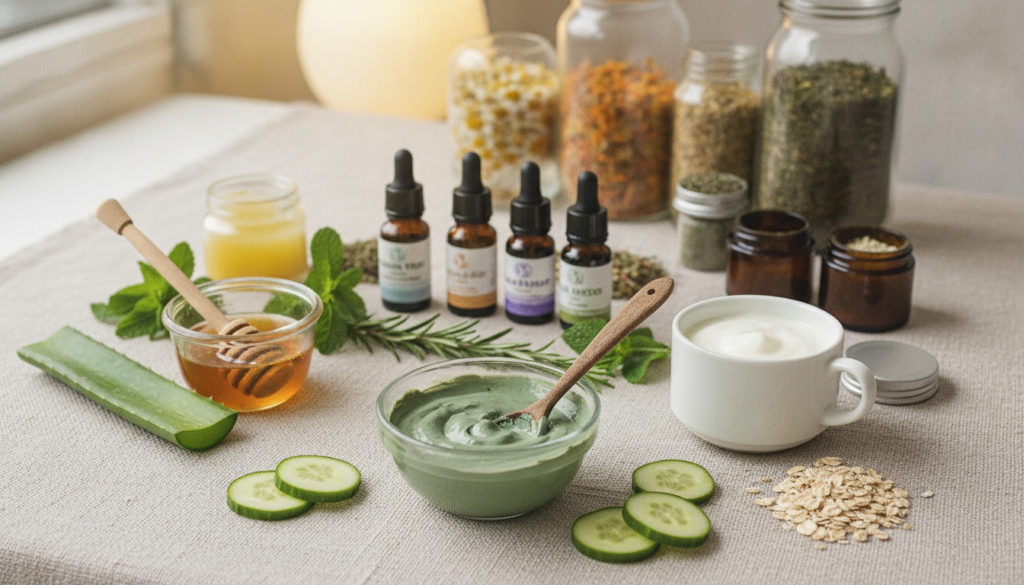
Clay masks are great for managing oily skin at home. Bentonite or kaolin clay pulls out impurities and excess oil from deep pores. Regular use helps prevent breakouts and makes pores look smaller.
- Mix one tablespoon of clay powder with water or apple cider vinegar.
- Apply a thin layer to your face, avoiding the delicate eye area.
- Let the mask dry until it feels tight, then rinse with warm water.
Honey and Oatmeal Soothing Treatments
A honey and oatmeal mask is perfect for irritated skin. It calms inflammation and provides light hydration. Honey is naturally antibacterial, keeping your skin clear. Oatmeal absorbs excess oil without drying out your skin.
To make this mask, mix finely ground oats with raw honey. Massage it onto your skin and leave for ten minutes. This mix makes your face soft, refreshed, and balanced.
Frequency of Application for Best Results
Using homemade remedies for oily skin regularly is important. Aim for one to two treatments per week for the best results. Over-treating can dry out your skin, making it produce more oil. Listen to your skin and adjust your schedule as needed.
Lifestyle Habits to Balance Oil Production
Your daily habits are as important as the products you use on your face. True skincare for oily skin means looking at your whole routine. Making small changes can help your skin feel balanced and refreshed.
Managing Stress to Regulate Hormones
High stress makes your body release more cortisol. This hormone tells your sebaceous glands to make more oil. Stress can make your skin shiny and lead to breakouts.
Using oily skin care tips like meditation or exercise can help. These activities can keep your hormones in balance.
The Impact of Sleep on Skin Health
Good sleep helps your body repair itself, including controlling sebum. Deep sleep is when your skin regenerates and stays healthy. Missing sleep can make your skin produce too much oil.
Maintaining Hygiene for Pillowcases and Phone Screens
Things that touch your face can carry bacteria and oils. These can clog your pores. Here are some tips to control oily skin:
- Change your pillowcases at least twice a week to prevent oil buildup.
- Wipe down your phone screen daily with an alcohol-based wipe.
- Wash your makeup brushes weekly to remove trapped bacteria and residue.
- Avoid touching your face throughout the day to keep surface oils to a minimum.
Keeping these surfaces clean stops impurities from getting back on your skin. This simple habit is a powerful way to support your skin health and reduce shine.
Dietary Adjustments for Clearer Skin
Your daily nutrition greatly affects your skin’s oil balance. Topical products help, but real balance starts with what you eat. Small, steady diet changes can greatly improve your skin over time.

Hydration and Its Role in Sebum Regulation
Drinking enough water is key to skin health. Without enough water, your skin may produce more oil to protect itself. This can make your skin feel greasy, even if it’s dehydrated.
Staying hydrated helps keep your skin’s moisture in balance. Drinking water all day can reduce oil production on skin and prevent that tight feeling. It’s better to drink water regularly than to drink a lot at once.
Foods That May Trigger Oil Production
Some foods can affect your hormones and make your skin oilier. Foods high in sugar, like sweets and white bread, can cause blood sugar spikes. These spikes can lead to inflammation and make your skin produce more oil.
Dairy products can also cause oiliness for many people. If you’re looking for a oily skin treatment at home, watch how milk or cheese affect your skin. Try eating more whole grains and vegetables instead.
Eating foods that fight inflammation, like leafy greens and berries, can help. These foods are crucial for managing oily skin naturally and getting a clearer, brighter complexion. Stick to these diet changes for the best long-term skin health.
Essential Oils and Natural Ingredients to Avoid
Not every natural extract is good for your skin, if you have oily skin. Many people look for natural solutions for oily skin. But, it’s important to know which ones are safe and which might irritate your skin. Choosing wisely keeps your routine effective and safe.
Safe Essential Oils for Oily Skin
When using essential oils for oily skin, quality and dilution matter a lot. These plant extracts can help control oil when used right. Always test a small area of your skin before using any new oil to make sure it’s safe.
Tea Tree and Lavender Oil Applications
Tea tree oil is great for soothing inflammation and fighting blemishes. Lavender oil helps calm redness from breakouts. To use these homemade remedies for oily skin safely, mix them with a carrier oil like jojoba or grapeseed oil. Never apply them straight to your skin.
Ingredients That Can Clog Pores
Even with natural skincare for oily skin, some ingredients can be bad. Certain oils and waxes can block pores and cause more breakouts. Staying away from these heavy ingredients helps keep your skin clear.
Watch out for these ingredients that can make oiliness worse:
- Coconut Oil: It’s very comedogenic and too heavy for oily skin.
- Cocoa Butter: It traps oil and debris in pores.
- Wheat Germ Oil: It can clog pores in people with acne.
- Isopropyl Myristate: This additive often blocks pores.
By checking labels and avoiding these ingredients, you protect your skin. Choosing non-comedogenic products consistently will help your skin look balanced and radiant over time.
Conclusion
Your journey to a balanced and glowing face starts with daily habits. You can clear oily skin naturally by sticking to your routine. Making small changes in your life can make a big difference in your skin.
Controlling oily skin means listening to your body and caring for it gently. Sometimes, changing your diet or sleep can help your skin. These changes help your skin fight off daily stress.
When picking products, choose essential oils for oily skin that balance without causing irritation. Brands like Aura Cacia or Plant Therapy offer good options. Trust your feelings as you try new things to find what works best for you.
Being consistent with these habits is key to healthy, vibrant skin. You should feel confident and refreshed every time you look in the mirror. Begin your journey to clearer skin today and enjoy the lasting benefits of a balanced complexion.
FAQs
How to reduce oily skin naturally without using harsh chemicals?
Use gentle, plant-based cleansers and natural astringents like Thayers Witch Hazel. Avoid harsh sulfates to prevent overcompensation by your skin.
What are the most effective oily skin remedies for daily use?
Effective remedies include washing with lukewarm water and using a lightweight moisturizer like La Roche-Posay Effaclar Mat. Choose natural skincare with ingredients like willow bark or green tea extract.
Can you suggest some homemade remedies for oily skin to reduce shine?
A mask made of Aztec Secret Indian Healing Clay mixed with apple cider vinegar is great. A honey and oatmeal scrub can also exfoliate and soothe your face.
What are the best natural products for oily skin available in stores?
Look for brands like Burt’s Bees, The Body Shop, and Origins. Choose products labeled “non-comedogenic” and oil-free to avoid clogged pores.
Which essential oils for oily skin should I incorporate into my routine?
Tea tree oil and Lavender oil are excellent for oily skin. They kill bacteria and soothe redness. Always dilute them with a carrier oil like Jojoba oil.
What are some quick tips to control oily skin during a busy day?
Use oil-blotting sheets like Clean & Clear to remove excess shine. Stay hydrated and avoid touching your face to manage oily skin naturally.
Is it possible to clear oily skin naturally through diet alone?
Diet is important, but it works best with a solid skincare routine. Reduce dairy and high-sugar foods and increase water intake for a healthy glow.