
Do you often see tiny dark spots or small bumps around your nose and T-zone? Many people find it hard to tell these skin issues apart. But knowing what’s the difference? is key for a clear complexion. These two problems need different care routines, even though they look the same at first glance.
Maybe you’ve tried harsh scrubs or pore strips to get rid of them, only to see them come back. This is because you might be treating blackheads, a type of acne, like sebaceous filaments, which are a natural skin feature.
Wrong treatment can cause irritation or harm your pores. Knowing about sebaceous filaments helps manage oil better. On the other hand, blackheads need a special way to clear out trapped dirt. By figuring out the difference, you can create a skincare plan that really works.
Why Pores Get Congested
Many people worry about their pores, but these tiny openings are actually essential for your skin’s health. They are not just flaws to be hidden; they are functional parts of your anatomy that allow your skin to breathe and stay protected.
Effective pore cleansing starts with realizing that your skin is a complex organ. By understanding how it functions, you can better manage your routine without unnecessary stress.
The Role of Sebum in Skin Health
Your skin contains sebaceous glands that produce a natural oil called sebum. This oil travels up the vellus hair follicle to reach the surface of your skin.
This process is entirely normal and necessary for maintaining hydration. Sebum acts as a protective barrier that keeps your skin soft and prevents it from drying out.
When you have oily skin, your glands may simply be more active than others. This is a biological trait rather than a sign of poor hygiene or a lack of care.
Why Pores Become Visible
Pores are a natural part of human anatomy, but their visibility can fluctuate based on several factors. Genetics and age play a significant role in how large or noticeable your pores appear over time.
Increased oil production can also make pores look more prominent. Environmental factors, such as humidity or sun exposure, may further influence how your skin behaves on a daily basis.
Remember that you cannot change your pore size, but you can manage their appearance. Consistent pore cleansing and a balanced approach to oily skin will help you maintain a healthy, clear complexion.
Blackheads vs Sebaceous Filaments: What’s the Difference?
Ever looked in the mirror and wondered about those tiny spots on your nose? You’re not alone. Many people struggle to figure out their skin concerns, often asking, what’s the difference? between common pore issues. Knowing the difference is crucial for choosing the right treatment for your skin.
Defining Blackheads as Open Comedones
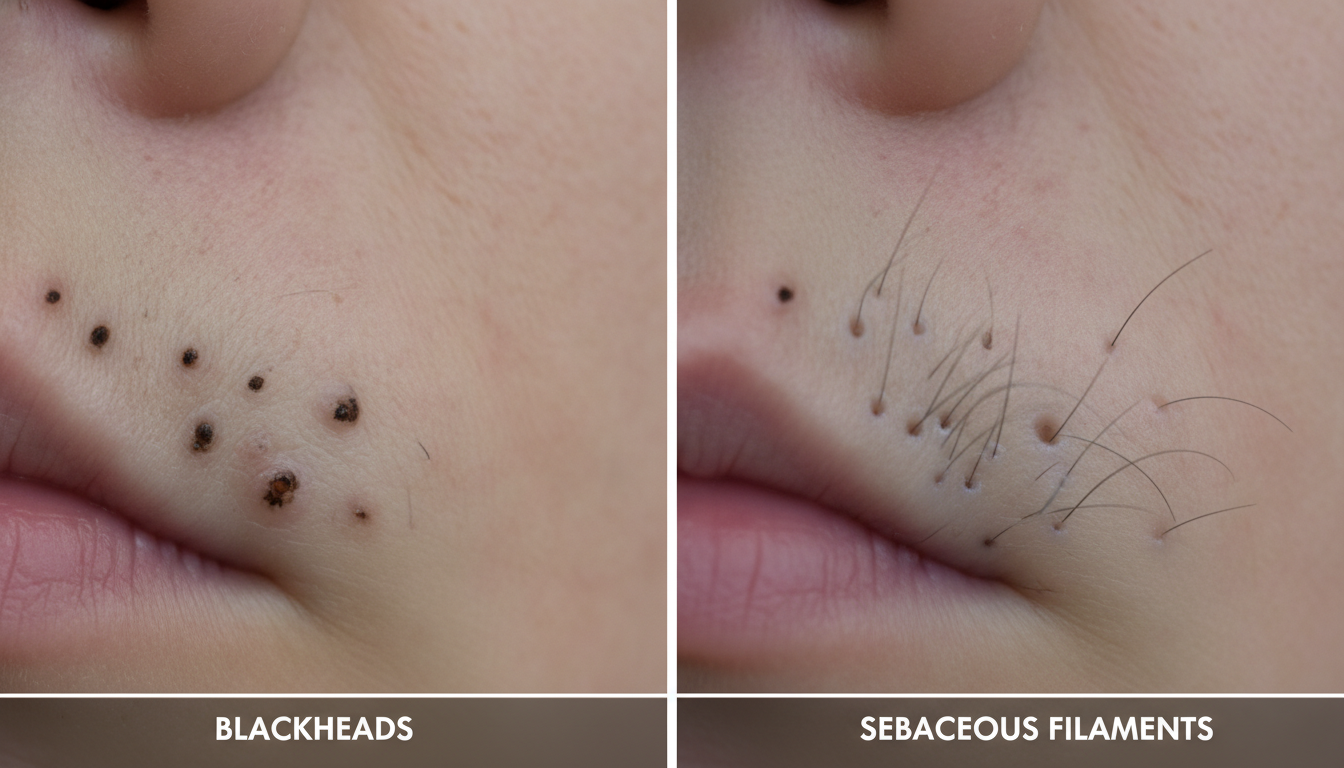
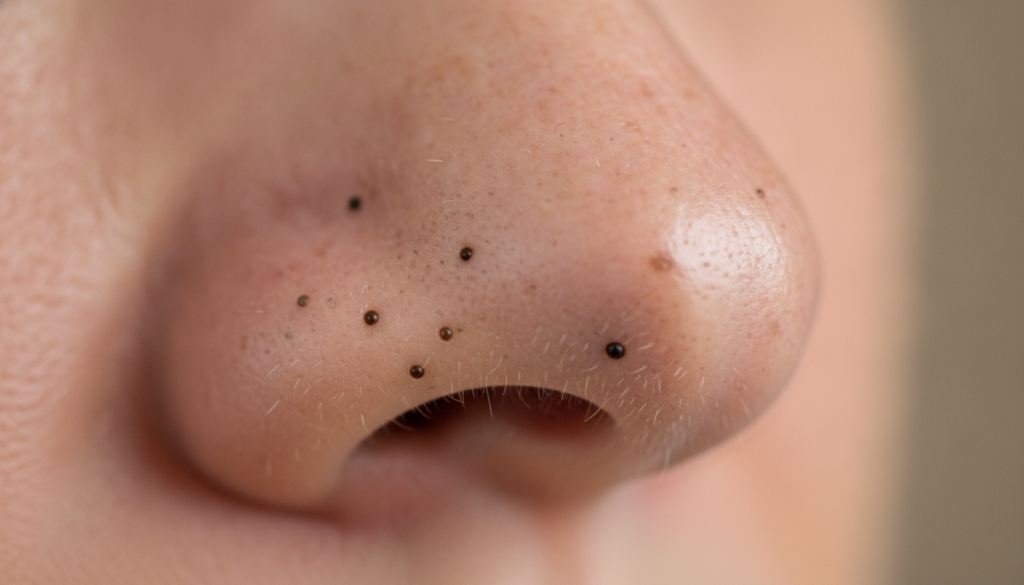
Blackheads are a type of acne called open comedones. They happen when a pore gets clogged with dead skin cells and oil. Since the pore is open, the trapped stuff turns dark brown or black due to oxidation.
This darkness isn’t from dirt. It’s from the oil reacting with oxygen. Blackheads are trapped congestion that needs special care to clear.
Defining Sebaceous Filaments as Natural Structures
Sebaceous filaments are not acne. They’re normal parts of your skin’s anatomy. These tiny, tube-like structures help oil flow from your sebaceous glands to your skin’s surface.
Everyone has them, but they might be more visible in oily skin. They’re not a sign of infection or clogged pores. Instead, they help keep your skin hydrated and protected.
Key Visual and Textural Distinctions
Look closely to tell them apart. Sebaceous filaments are small, flat, and pale or grayish dots. They feel smooth and are often found in clusters on the nose or chin.
Blackheads look like dark, raised bumps that might feel slightly rougher. Filaments are permanent, but blackheads are temporary blockages that can be treated. Knowing these differences helps you manage your skin health better.
How to Identify Your Skin Concerns
Figuring out what’s wrong with your skin is the first step to clearer skin. Many people mix up blackheads with sebaceous filaments. But they need different fixes. Knowing your skin’s unique needs helps you avoid bad treatments.
Examining Color and Shape
Looking in the mirror, color tells you a lot. Blackheads show up as dark, oxidized oil and dead skin plugs. They feel firm and a bit bumpy.
Sebaceous filaments look like flat, light gray or tan dots. They’re a natural part of your skin and don’t block anything. Pressing them, they quickly return because they’re just oil channels.
Location and Frequency of Appearance
Where you see these marks is key. Sebaceous filaments pop up in oily areas like the nose and chin. They stay the same size and look the same everywhere.
Blackheads show up anywhere pores get clogged. They can change size or get inflamed if not treated.
The Squeeze Test: Why You Should Avoid It
It’s tempting to try to clear pores yourself, but don’t. The “squeeze test” can hurt your skin more than help.
Think about these risks before trying to extract at home:
- Increased Inflammation: Squeezing can push bacteria deeper, causing painful breakouts.
- Permanent Scarring: Hard pressure can damage tissue, leaving lasting marks.
- Broken Capillaries: You might damage small blood vessels, causing redness.
- Infection Risk: Bacteria from your hands can turn a small issue into a big infection.
Getting help from a pro is safer for deep cleaning. Using proven skincare products is better than risking your skin with DIY methods.
Effective Skincare Tips for Managing Oily Skin
Minimizing pores starts with a consistent skincare routine. It’s not about drying out your face but keeping it balanced. By following these skincare tips, you can improve your skin and get a clearer look over time.
The Importance of Consistent Cleansing
Daily pore cleansing is key for oily skin. Use a gentle, pH-balanced cleanser twice a day. This removes excess oil and dirt, keeping pores clear without overproducing oil.
Incorporating Salicylic Acid and BHAs
Salicylic acid is great for sebaceous filaments and blackheads. It breaks down oil and dead skin cells deep in pores. Regular use of BHAs keeps pores clear and prevents them from stretching or becoming visible.
Using Retinoids for Long-Term Pore Health
Retinoids are crucial for long-term skin health. They boost cell turnover and prevent debris buildup in pores. Unlike pore strips, retinoids refine skin texture from within, making it smooth and clear.
Choosing the Right Concentration
Start with a low concentration of retinoids to ease your skin into it. Use a mild over-the-counter retinol or a low-strength adapalene gel. This gradual approach helps build tolerance while benefiting your pores.
Managing Potential Irritation
Apply retinoids at night and follow with a lightweight, non-comedogenic moisturizer. If irritation occurs, reduce use to every other night. This ensures your skin stays healthy while treating sebaceous filaments and oily skin.
Professional Treatments and Common Myths
It’s key to know the difference between what’s real and what’s just marketing. Many over-the-counter products promise quick fixes but don’t really solve the problem. To choose the right skin care products, you need to know what works and what doesn’t.
The Reality of Pore Strips
Pore strips are often touted as a quick fix for blackheads. They remove dead skin and sebum from the surface. But, they only offer a temporary solution.
Using them too much can harm your skin. The adhesive can irritate sensitive areas and damage your skin’s barrier. This can lead to broken blood vessels and redness.
Benefits of Professional Facial Extractions
Going to a professional for facial extractions is safer. Estheticians and dermatologists use clean tools and the right techniques. This way, they can clear pores without hurting the skin.
Experts know how to handle the skin carefully. They use the right amount of pressure to avoid scarring or spreading bacteria. Getting professional skin care means your pores are treated right.
Debunking Myths About Pore Size
Many believe you can shrink pores with certain products. But, pore size is mostly determined by genetics and oil production. You can’t change the size of your pores, but you can make them look better.
Keeping pores clean makes them seem smaller. Don’t believe in products that claim to “close” pores. Instead, focus on keeping your skin clean and healthy.
Conclusion
Knowing what you see in the mirror is the first step to a great skin routine. Blackheads are blockages that need special care. Sebaceous filaments, on the other hand, are good for keeping your skin moist.
It’s okay to accept that you can’t get rid of these natural parts of your skin. Instead, work on making your pores look better with gentle habits. Look for products from brands like Paula’s Choice or CeraVe that help your skin, not harm it.
Don’t try to squeeze out blackheads too hard, as it can hurt your skin. Choose products that help control oil and keep pores clean. Being patient is key to getting a smooth, healthy look. Keep your routine simple to keep your skin glowing.
FAQ
1. Why Pores Become Visible?
If you have ever looked in a magnifying mirror and felt frustrated by the dots on your nose, remember that pores are a natural part of human anatomy. Their visibility is often determined by factors beyond your control, such as genetics, age, or naturally oily skin. As you age, a decrease in collagen can cause pores to lose their structural support, making them appear larger. Visibility is a sign of your skin functioning, not a sign of poor hygiene.
2. What’s the difference between a blackhead and a sebaceous filament?
The primary difference is their function and appearance. Blackheads are a type of acne called comedones where a pore is blocked by oil and skin cells that have oxidized and turned black. Sebaceous filaments are not clogs; they are natural, waxy structures that help move oil through the pore to keep the skin hydrated.
3. Why do my sebaceous filaments keep coming back after I clean them?
Because they are a functional part of your skin’s anatomy. Unlike blackheads, which are a blockage you want to remove, sebaceous filaments will always refill with oil as part of your skin’s natural moisturizing process. Instead of removing them, the goal of skin care should be to manage their appearance.
4. Are pore strips like Bioré good for pore cleansing?
Pore strips provide a temporary visual improvement by pulling the surface of the plug out, but they do not treat the root cause. They can also be quite harsh on your skin barrier. For more effective and long-term pore cleansing, it is better to use a chemical exfoliant like salicylic acid or schedule professional facial extractions.
5. Can oily skin make pores look larger?
Yes, oily skin often results in more visible pores. When excess sebum fills the pore, it stretches the opening slightly, making it more prominent. Using skincare tips like incorporating niacinamide or a BHA can help regulate oil production and keep the pore “tight” and clear.
6. Is it safe to use a comedone extractor tool at home?
It is generally discouraged. Without professional training, using metal extraction tools can cause bruising, permanent scarring, or even push the infection deeper into the skin. If you have persistent blackheads, it is much safer to visit a professional for a clinical treatment or use topical retinoids like SkinCeuticals Retinol 0.5 to clear them over time.
7. Does washing my face more often get rid of blackheads?
Not necessarily. Blackheads form deep inside the follicle, so surface washing won’t always reach the plug. In fact, over-washing can irritate the skin and lead to more oil production. A consistent routine with targeted ingredients like salicylic acid is more effective than frequent scrubbing.