
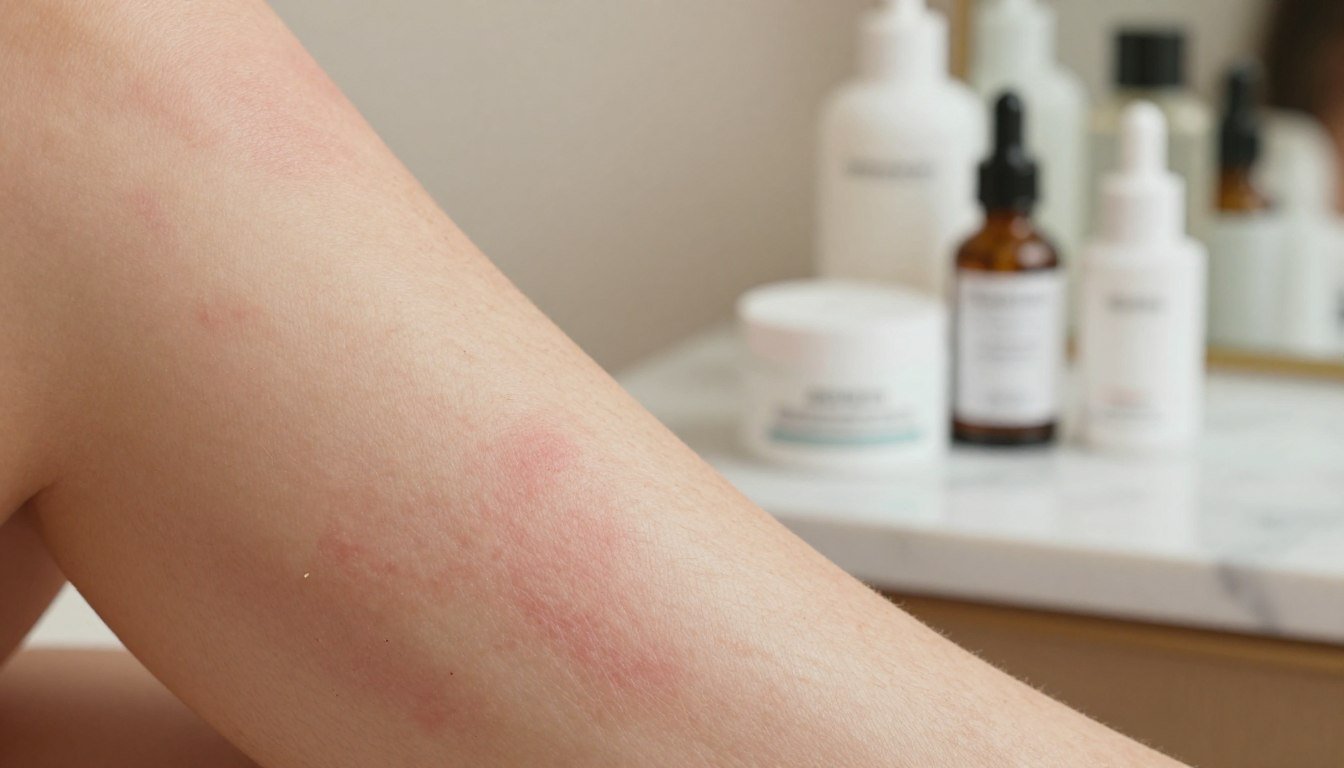
Your face is like a shield against the world. When it gets weak, you might see redness, tightness, or dryness.
It’s important to know how to fix a damaged skin barrier. Many people hurt their skin with harsh cleansers or chemical exfoliants.
Restoring your complexion means changing your habits. Focus on gentle, nourishing steps. Deep hydration and lipid replenishment help rebuild your skin’s strength.
This way, you move from quick fixes to a lasting, protective routine. It keeps your skin comfortable for a long time.
What Your Skin Barrier Does for Your Skin
Your skin is more than just a surface; it’s a living shield that protects you every day. It’s a complex defense system crucial for your health. A strong barrier function keeps you safe from the environment.
What is the Stratum Corneum
The stratum corneum is your skin’s outermost layer. Think of it as a strong brick wall. Your skin cells are the bricks, and lipids are the mortar that holds it all together.
This structure is key for a healthy skin barrier. A strong mortar keeps your skin smooth and protected. But if it weakens, your skin becomes open to harm.
Why Barrier Integrity Matters for Skin Health
Keeping your skin’s integrity is crucial for good skincare. An intact barrier function helps your skin manage moisture well. This keeps your skin calm and balanced, without needing too many products.
A healthy skin barrier also keeps out bad bacteria and pollutants. It stops water loss, keeping your skin hydrated and full. Focus on this layer to keep your skin resilient and clear.
Identifying Damaged Skin Barrier Signs and How to Support It
Your skin often shows signs of health changes that you might miss. Learning to spot these changes is key to keeping your skin healthy. By paying attention to how your face looks and feels, you can fix problems early.
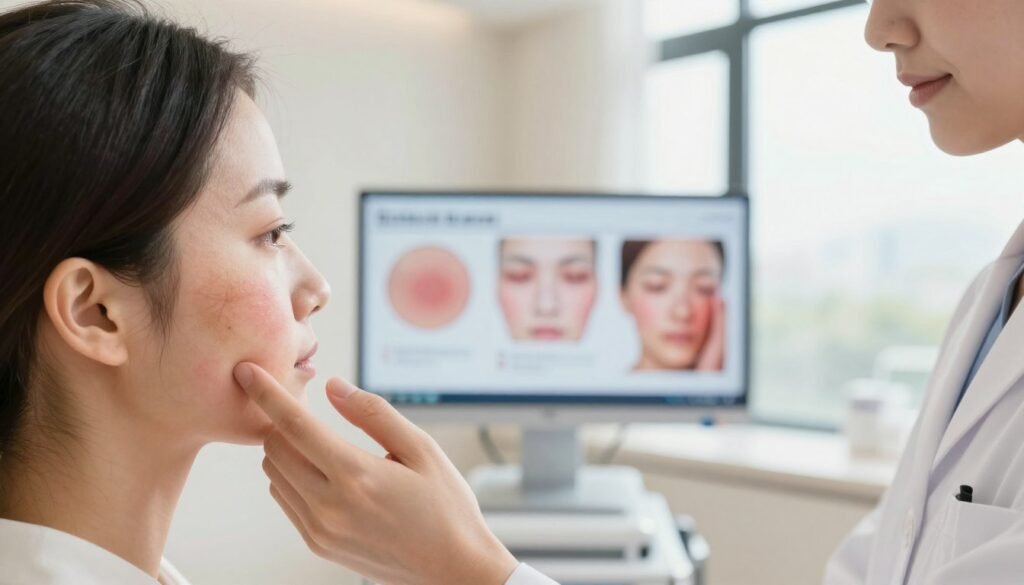
Common Physical Indicators of Compromised Skin
When your skin’s protective layer is weak, it shows signs of trouble. These signs are often the first hints that your skin is losing moisture and strength.
Watch for these seven signs that your skin barrier is weak:
- Persistent dryness that doesn’t get better with moisturizer.
- Unexplained redness or patches of inflammation.
- Visible flakiness or rough texture on the surface.
- A dull, lackluster appearance that lacks a natural glow.
- The sudden emergence of fine lines caused by dehydration.
- Increased sensitivity to environmental factors like wind or cold.
- A noticeable loss of elasticity or firmness.
Sensory Clues Your Skin is Struggling
Your skin also gives you clues through how it feels. You might feel tight or uncomfortable, even after using hydrating products.
A sudden, unexplained reaction to skincare products is a big warning sign. If your skin stings or burns when you apply products, it’s time to act fast.
Telling the difference between temporary irritation and a deeper problem is crucial. When you notice these signs, it’s time to simplify your skincare routine. Focus on gentle, restorative care to help your skin heal.
Primary Causes of Barrier Dysfunction
Keeping your skin healthy means knowing what hurts it. When your skin’s protective layer is attacked, it can’t keep moisture in or out irritants. It’s key to know what’s stressing your skin to avoid a compromised skin barrier.
Environmental Aggressors and Pollution
Every day, your skin battles the world. UV rays and pollutants create free radicals that harm your skin cells. These factors slowly break down your skin’s structure, making it hard to keep it hydrated.
Over-Exfoliation and Harsh Cleansing Habits
Using too-strong products can hurt your skin. Sulfate-based cleansers remove the oils your skin needs. Also, using too many products or exfoliating too much can deplete your skin’s lipids.
To strengthen skin barrier health, keep your routine simple. Avoid harsh scrubs and choose gentle cleansers that match your skin’s pH. Gentle, consistent care is better than intense treatments.
The Impact of Lifestyle and Stress
What’s inside you affects your skin too. Stress weakens your immune system and slows skin repair. Not enough sleep and bad diet also hurt your skin’s lipid production.
Changing your lifestyle is as crucial as your skincare. Managing stress and getting enough rest helps your skin heal. A whole-body approach keeps your barrier strong and working right.
Essential Ingredients for Skin Barrier Repair
Think of your skin as a sturdy brick wall. Your cells are the bricks, and lipids are the mortar. When the mortar wears away, you need to repair it to keep your skin healthy. By choosing the right ingredients, you can strengthen your natural defenses.
Ceramides and Their Role in Lipid Replacement
Ceramides are waxy molecules in your skin’s outer layer. They act as the glue that holds your skin cells together, preventing moisture loss. Adding ceramides to your routine helps repair your skin’s structure.
Hyaluronic Acid and Humectants for Hydration
Lipids seal the barrier, while humectants like hyaluronic acid add moisture. This keeps your skin plump and flexible. Using humectants regularly helps keep your skin hydrated while it recovers.
Fatty Acids and Cholesterol for Structural Support
To fully recover, you need to replace ceramides, fatty acids, and cholesterol. These elements create a strong shield against stressors. Including these in your routine gives your skin the support it needs for long-term health.
Strategic Changes to Your Skincare Routine
Making smart changes to your daily skincare is key to protecting your skin. If your skin is reacting, try a simpler routine. This lets your skin heal and regain its strength.
Simplifying Your Daily Regimen
For the best recovery, stick to a simple three-step routine. Use a gentle cleanser, a moisturizer that supports your skin’s barrier, and sunscreen every day. This minimalist method reduces irritation and sensitivity.
Stay away from harsh scrubs and too many active serums when your skin is sensitive. It’s better to be consistent with fewer products. A simple routine keeps your skin barrier maintenance steady and effective.
The Importance of pH-Balanced Cleansers
Your skin’s natural pH is slightly acidic, which helps protect it. Harsh cleansers can upset this balance, causing dryness and irritation. A pH-balanced cleanser cleans without harming your skin’s acid mantle.
Choose cleansers that are soap-free and gentle on your skin’s natural chemistry. These products clean well without stripping away important lipids. Keeping this balance is crucial for long-term skin health.
Sun Protection as a Barrier Defense
Sun exposure is a big stress for your skin. UV rays can damage your skin’s protective layer and slow healing. Always use a broad-spectrum sunscreen as part of your skin barrier maintenance.
If your skin is sensitive or inflamed, go for a mineral-based sunscreen. These are often less irritating and offer a physical barrier against UV rays. Regular sun protection helps your skin focus on healing, not fighting damage.
Lifestyle Adjustments to Strengthen Skin Barrier
True skin barrier protection begins with daily choices. Topical products help, but your internal health is key. By matching your habits with your body’s needs, you set the stage for glowing skin.

Dietary Habits That Support Skin Resilience
Your diet affects your skin’s strength. Eating whole foods gives your skin the tools it needs. Include these foods in your diet:
- Omega-3 fatty acids: Salmon, walnuts, and chia seeds keep lipid levels right.
- Antioxidant-rich produce: Berries and leafy greens fight off damage.
- Hydrating foods: Cucumbers and watermelon keep your skin moist.
- Zinc-rich sources: Pumpkin seeds and lean meats help repair cells.
Managing Internal Stressors
Stress raises cortisol levels, harming your barrier function. High cortisol lowers natural oil and ceramide production. Mindfulness can help.
Take ten minutes daily for deep breathing or stretching. These breaks lower your heart rate and stress impact on your skin. Keeping your mind calm is crucial for skin health.
Optimizing Your Sleep Environment
Good sleep is essential for skin repair. It boosts blood flow and collagen. Missing sleep weakens your skin’s defense.
Make your bedroom cool, dark, and quiet for better sleep. Quality sleep is key to your skin’s natural renewal.
Conclusion
Your journey to glowing skin begins with daily choices. True skin repair is a long-term promise, not a quick fix. By choosing gentle care, your skin can regain its natural strength and shine.
Consistency is key. Using top-notch products from brands like CeraVe or La Roche-Posay gives your skin the lipids it needs. Watch how your skin responds to new routines, as it will show you what it needs.
Repairing damaged skin is possible with a simple approach and patience. Believe in the healing process, not quick fixes. A strong, healthy complexion is within your reach when you treat your skin with care. Begin your path to better skin health today.
FAQ
How long does it typically take to achieve skin barrier repair?
It usually takes two to four weeks of gentle care to see big improvements. Keep your routine simple to let your skin fully heal.
Can I still use anti-aging products while focusing on skin barrier maintenance?
It’s best to wait until your skin barrier is strong again. Start with gentle products and slowly add stronger ones back in.
What are the best products to strengthen skin barrier resilience?
Look for products labeled for barrier repair or sensitive skin. Brands like La Roche-Posay and SkinCeuticals offer formulas that help strengthen your skin’s outer layer.
Does drinking water help with a compromised skin barrier?
Drinking water is good for overall health, but it’s not enough for a weak skin barrier. Use topical products to seal in moisture.
How does skin barrier protection differ from standard moisturizing?
Moisturizing adds hydration, but barrier protection rebuilds the skin’s natural shield. It uses specific ingredients like ceramides to prevent moisture loss.
Is it possible to over-moisturize when trying to repair damaged skin barrier?
Yes, using too many heavy moisturizers can cause congestion. Find a balance between humectants and emollients for effective barrier repair.