
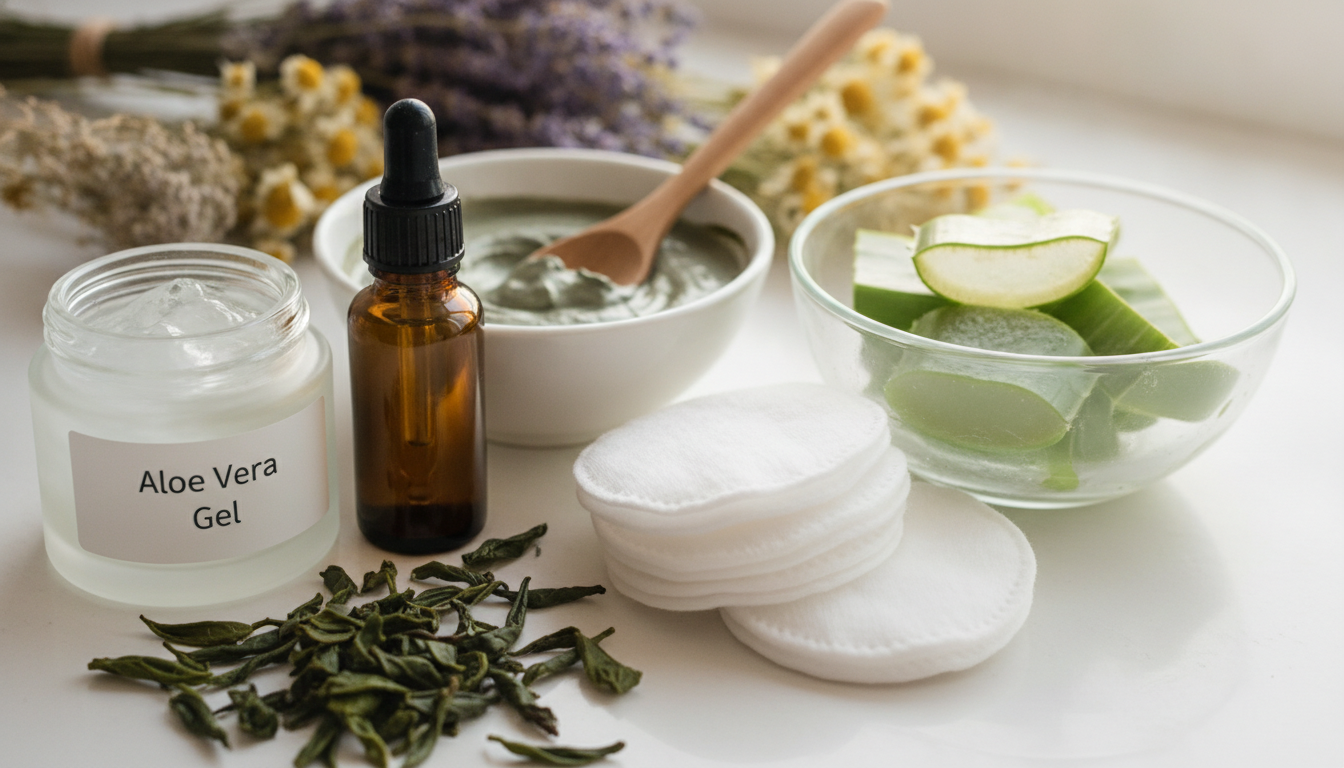
Do you often struggle with a persistent shine or clogged pores by midday? You likely have a complexion that produces excess sebum. This natural substance keeps your face hydrated, but too much leads to breakouts and a greasy texture.
Understanding the right oily skin ingredients is the first step toward achieving a balanced, healthy appearance. When you select targeted products, you gain control over your daily routine. Proper skincare for oily skin helps regulate sebum production while keeping your face clear and refreshed.
Learning about the best ingredients for oily skin allows you to build a regimen that addresses your unique needs. By choosing effective formulas, you can manage shine without stripping away vital moisture. Let us explore how specific components transform your daily habits and help you maintain a smooth, matte finish throughout the day.
What Oily Skin Really Needs
Starting your journey to clearer skin means understanding why your skin produces oil. Knowing how your body works helps you choose better face products. This knowledge is crucial when looking for oily skin care ingredients.
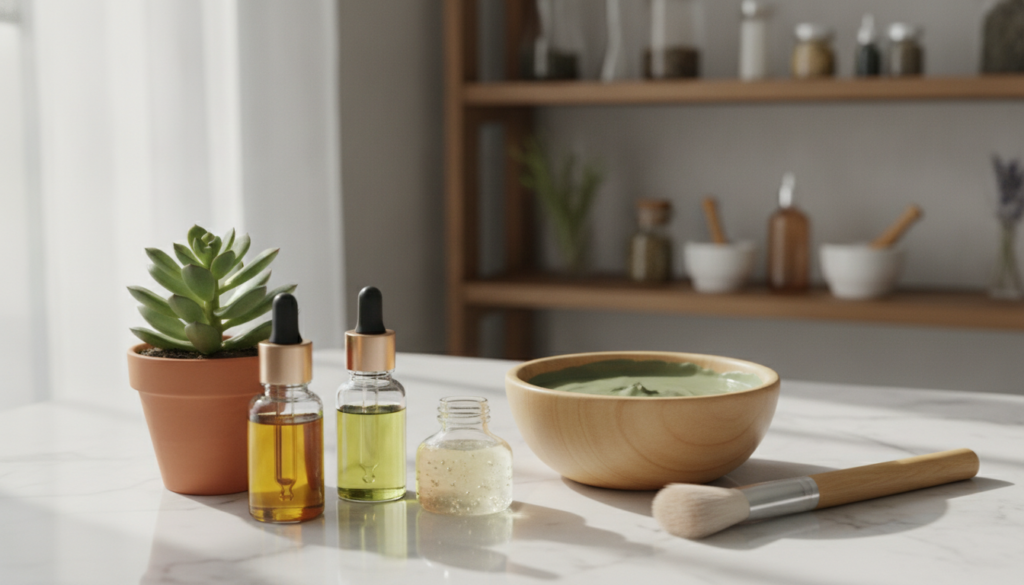
The Science of Excess Sebum Production
Sebum is a natural oil that keeps your skin moist and protected. But, when your glands make too much, your skin gets oily. This can make your skin look shiny and clog pores.
Many things can make your glands work too hard. Your genes and hormones play big roles. Hormonal changes can make your glands produce more oil. Knowing this helps you see that oiliness is more than just skin deep.
Identifying Your Skin Type and Triggers
To control your skin, find out what makes it oily. Things like humidity or heat can make your skin produce more oil. Your diet and stress levels also affect your skin.
Watch how your skin changes throughout the day. See if your T-zone gets oily at certain times or after doing things. Knowing these patterns helps you pick the right essential ingredients for oily skin.
Being consistent is important. By noticing how your skin reacts, you can adjust your routine. This way, you always use the best products for a balanced, healthy look.
What Ingredients Are Best for Oily Skin?
Struggling with too much oil? The key is to use active ingredients that target the problem. It’s easier to pick the right products when you focus on science-backed ingredients. These ingredients help control shine and block pores.
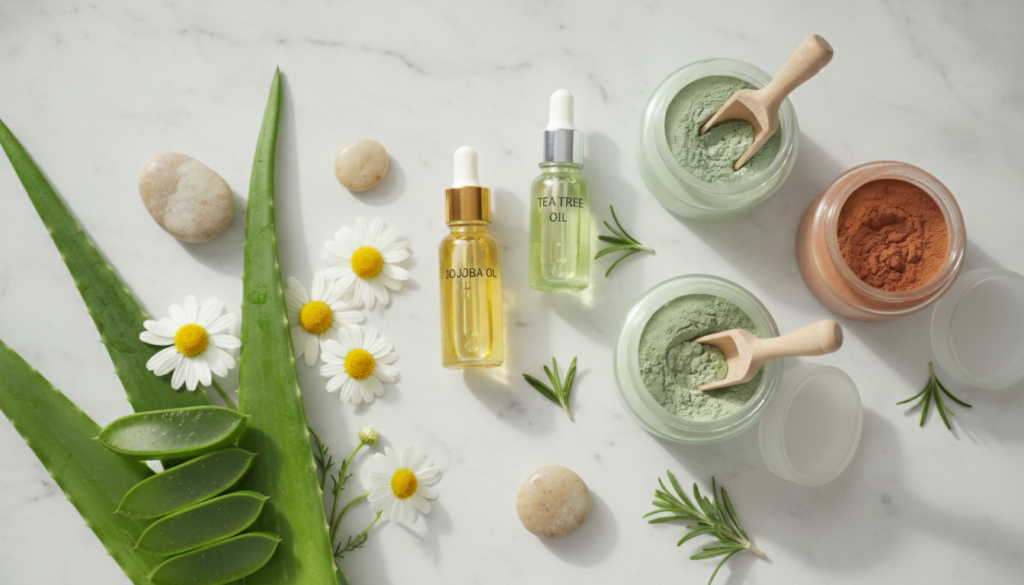
Salicylic Acid for Pore Clarification
Salicylic acid is a beta hydroxy acid (BHA) that works well for oily skin. It’s oil-soluble, so it can get deep into pores. This clears out sebum and debris, preventing blackheads and whiteheads.
Niacinamide for Sebum Regulation
Niacinamide, or Vitamin B3, is great for oily skin. It helps control sebum all day. It also reduces inflammation and strengthens your skin’s moisture barrier.
Clay and Charcoal for Mattifying Effects
For quick shine control, use ingredients like kaolin clay, bentonite clay, or activated charcoal. They pull out impurities and oil. This leaves your skin smooth and matte, without drying it out.
- Kaolin Clay: Gently absorbs oil while refining skin texture.
- Bentonite Clay: Provides a deep clean for congested pores.
- Activated Charcoal: Effectively pulls toxins and sebum from the skin.
- Zinc PCA: Works alongside these ingredients to control oil production.
Retinoids for Long-Term Texture Improvement
Retinoids are key for better skin texture over time. They boost cell turnover, keeping pores clear. They require patience but are worth it for a refined, healthy look. Start slow to let your skin adjust.
How to Incorporate Sebum-Regulating Ingredients into Your Routine
Getting the order of your skincare products right is key to controlling oil. Applying products in the right order lets active ingredients work best. This is the core of skincare for oily skin.
Layering Products for Maximum Efficacy
Always put products in order from thinnest to thickest. Start with a water-based toner or serum. Look for ingredients to control oil production like niacinamide or salicylic acid. These products absorb fast, letting your skin soak up the benefits before thicker creams.
Establishing a Consistent Morning and Evening Regimen
Being consistent helps manage shine all day. Using sebum-regulating ingredients at the right times keeps pores clear and skin balanced.
Morning Routine for Shine Control
In the morning, you want to get your skin ready for the day without too much oil. Start with a cleanser that exfoliates to remove dead skin and oils from the night. Then, use a light, oil-free moisturizer and a broad-spectrum sunscreen to protect without adding grease.
Evening Routine for Deep Cleansing and Treatment
Evening is for deep cleaning and treatments. Use your exfoliating cleanser to remove pollutants and sebum. This is the best time for stronger treatments like retinoids, which work while you sleep to improve texture and control oil.
Avoiding Common Mistakes with Active Ingredients
Many skip moisturizer, thinking it makes skin oilier. But, your skin might produce more oil if it’s dehydrated. Choosing the right oily skin care products is crucial for keeping moisture balanced.
- Avoid harsh physical scrubs that can harm your skin barrier.
- Don’t mix too many active ingredients, as it can irritate your skin.
- Introduce new products slowly to see how your skin reacts.
- Make sure to use non-comedogenic formulas to avoid clogged pores.
Natural Remedies and Non-Comedogenic Oils for Oily Skin
Managing oily skin naturally means avoiding harsh chemicals. Instead, we turn to soothing, plant-based solutions. These choices help control shine without drying out your skin.
The Role of Tea Tree Oil in Acne Management
Tea tree oil is a powerful anti-bacterial and anti-inflammatory ingredient. It fights acne-causing bacteria. It also acts as a natural astringent to clear pores and soothe irritated skin.
Always dilute tea tree oil with a carrier agent to avoid sensitivity. This step ensures you enjoy its benefits while keeping your skin calm.
Selecting Non-Comedogenic Oils That Won’t Clog Pores
Many think oiling an oily face will lead to breakouts. But the right oils can actually help control sebum. Look for non-comedogenic oils for oily skin that match your skin’s natural lipids.
Jojoba oil is a great choice. It tells your glands they’ve made enough oil. Using these oils helps keep your skin balanced all day.
Balancing the Skin Barrier with Botanical Extracts
Botanical extracts like aloe vera add hydration without clogging pores. They are among the best oils for oily skin care routines. These extracts soothe inflammation and support a strong skin barrier.
Using these gentle remedies helps you keep a healthy, hydrated glow. By focusing on quality plant extracts, you can have a clear and comfortable complexion without synthetic products.
Conclusion
To get a balanced complexion, you need a steady routine and the right products. These should help control oil production. You can change your skin’s health by picking the right products for you.
Knowing about salicylic acid, niacinamide, and other key ingredients helps manage shine and breakouts. Your skin does best when it has the right tools to stay balanced.
Even oily skin needs moisture to avoid making too much oil. Look for brands like CeraVe and La Roche-Posay. They help keep your skin hydrated without clogging pores. Keeping your skin moist is key to your daily care.
If you still have trouble with acne or too much oil, see a dermatologist. They can give you a plan made just for you. Tell your skincare provider about your progress to improve your routine.
Start a skincare routine that fits you today. Sticking to it will bring lasting clear skin and confidence. If you need help, find a local skin expert for support on your journey to a clearer face.
FAQs
What ingredients are best for oily skin to reduce shine immediately?
For an instant matte finish, use ingredients like Kaolin clay, Bentonite, or Silica. The Innisfree Super Volcanic Pore Clay Mask is great for absorbing excess oil, providing a quick shine reduction.
Are there specific ingredients for oily and acne-prone skin?
Yes, for oily and acne-prone skin, focus on exfoliation and anti-inflammatory ingredients. Salicylic acid is best for clearing pores, while niacinamide and tea tree oil help reduce redness and prevent breakouts.
Can I use oils if I have a greasy complexion?
Absolutely, if you choose non-comedogenic oils for oily skin. Jojoba oil and squalane, like those from Biossance, hydrate without clogging pores and can balance oil production.
How does salicylic acid oily skin treatment work?
Salicylic acid is a BHA that gets deep into pores to clear them. It’s oil-soluble, making it effective for preventing blockages that lead to blackheads and enlarged pores.
What are the best skincare ingredients for oily skin to look for in a moisturizer?
Look for non-comedogenic ingredients like hyaluronic acid, glycerin, and dimethicone. These provide hydration without adding oil. Neutrogena Hydro Boost Water Gel is a great example of a product that keeps the skin hydrated and balanced.
Is it possible to find natural ingredients for oily skin that actually work?
Yes, many natural remedies for oily skin are backed by science. Tea tree oil acts as a natural astringent, while witch hazel tightens pores. Aloe vera is also great for oily skin, providing moisture without a greasy residue.