
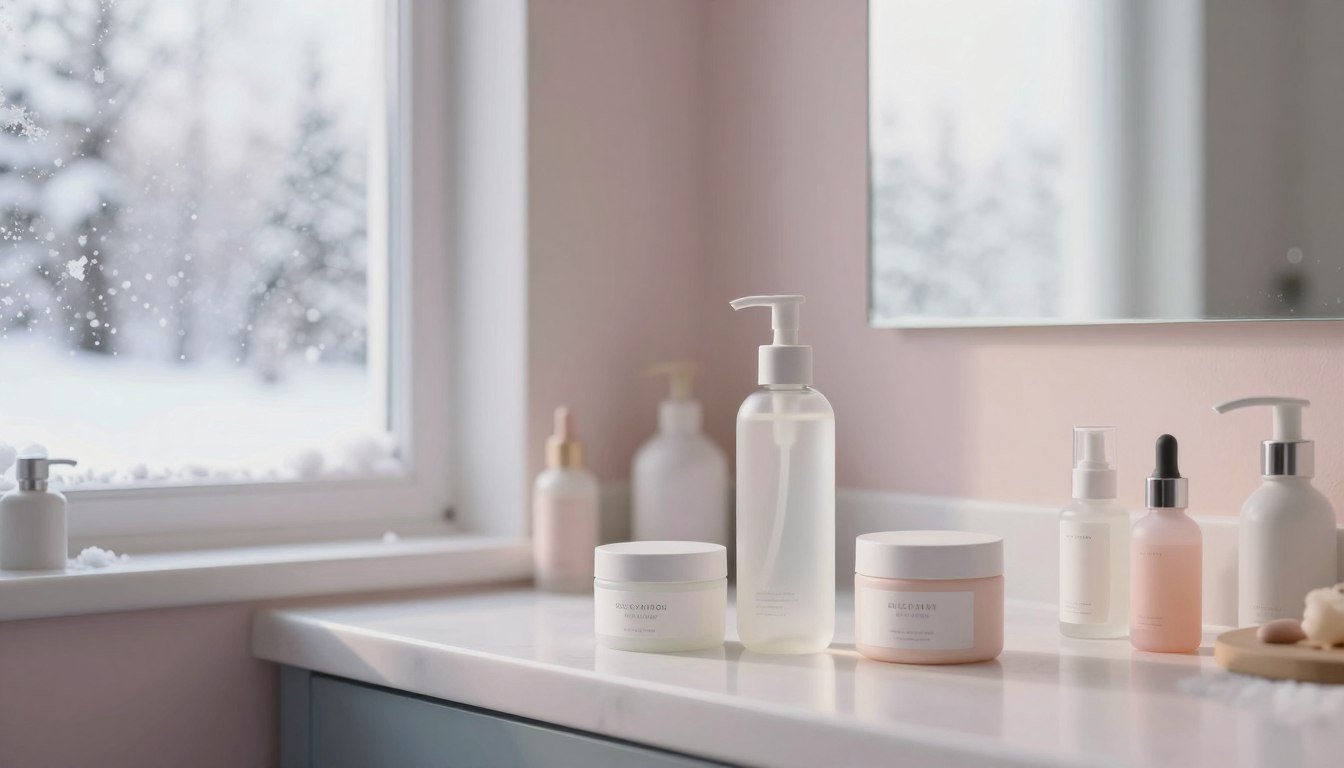
When it gets cold, your skin has to work hard. The cold air and heaters take away moisture. This makes your pores produce more oil to make up for it.
This can leave your skin looking shiny but still dry underneath. It’s a tough situation.
Creating a Winter Skincare Routine for Oily Skin Without Feeling Greasy is key to a healthy glow in winter. You don’t have to give up comfort to have clear skin. The right products can protect your skin and keep pores clear.
This guide offers actionable advice just for you. You’ll learn how to switch to products that fight off environmental stress. Follow these steps to keep your skin fresh, hydrated, and shine-free all winter.
How Winter Affects Oily Skin
Many think oily skin is not affected by winter’s dryness. But, this is not true. Even oily skin can get dry in cold weather.
When it gets colder, your skin changes a lot. You need to change your daily routine too. If you don’t, you might get uncomfortable and have skin problems.

Why Oily Skin Still Needs Hydration in Winter
Just because your face feels oily, don’t stop moisturizing. Taking away too much moisture weakens your skin barrier.
Your glands might make more excess sebum because of dryness. This makes your skin feel tight and greasy at the same time.
The Impact of Indoor Heating and Cold Air
Cold air outside and dry indoor heating inside are bad for your skin. They take moisture from your skin cells.
Without enough humidity, your skin barrier can’t keep water in. Your body tries to protect itself by making more excess sebum.
Drinking enough water helps your skin stay balanced in winter. Consistency is key to avoiding irritation when you ignore your skin’s needs.
Essential Steps for Your Winter Skincare Routine for Oily Skin Without Feeling Greasy
Keeping your skin clear and healthy in winter is easy with the right steps. Tailor your routine to fit your needs. This way, your skin stays balanced, even when the air gets dry.
Gentle Cleansing to Maintain Your Moisture Barrier
Gentle cleansing is key. Avoid harsh soaps in winter, as they can harm your skin barrier. This can make your skin produce more oil to compensate for dryness.
Opt for a mild, pH-balanced cleanser. It should remove dirt without drying your face. This keeps your skin hydrated and calm all day.

The Role of Lightweight Hydrating Serums
Many think oily skin means no serums. But lightweight hydrating serums are vital. They add moisture without the heaviness of creams.
These serums, with ingredients like glycerin or hyaluronic acid, help keep your skin hydrated. They ensure your skin stays healthy and matte.
Selecting Non-Comedogenic Moisturizers for Cold Months
Choosing the right non-comedogenic moisturizer is crucial in winter. Look for oil-free, gel-based options. They protect your skin from cold winds without clogging pores.
Consistency is key when using moisturizer. A good product locks in moisture and prevents water loss in heated spaces.
Why Sunscreen Remains Non-Negotiable
Sun protection is essential, even on gray days. UV rays can harm your skin through clouds and windows. Use a broad-spectrum, matte-finish sunscreen to protect your skin and control oil.
Choose a sunscreen that’s light and absorbs quickly. Applying it every morning keeps your skin healthy and resilient all winter.
Choosing the Right Ingredients for Cold Weather
Finding the perfect balance for your skin in winter starts with understanding key active ingredients. When it gets colder, your skin needs special support to stay healthy. You don’t want it to feel heavy or greasy. By choosing the right ingredients, you can keep your skin clear and comfortable all winter.
Benefits of Hyaluronic Acid for Oil Control
Hyaluronic acid is great for oily skin because it’s a humectant. It pulls moisture into your skin without adding oils that can clog pores. This gives your face the hydration it needs in dry winter months while keeping it feeling light and fresh.
Incorporating Niacinamide to Balance Sebum Production
If you have too much shine, niacinamide is key. This ingredient helps control oil levels. It also calms inflammation and makes your pores look smaller.
Using Ceramides to Protect Against Harsh Winds
Cold winter air can hurt your skin barrier, making it sensitive and dry. Ceramides protect your skin, keeping moisture in and out. They make your skin strong and shield it from harsh winds.
Common Mistakes to Avoid During Winter
Keeping your skin balanced in the cold months means avoiding common mistakes. Many people harm their skin by following old advice or using the wrong products. Spotting these errors early helps protect your skin and keeps it glowing.
Over-Exfoliating and Stripping Natural Oils
It’s tempting to scrub away dull winter skin. But over-exfoliating is a big mistake. It strips away your skin’s natural defense.
This makes your glands produce excess sebum to make up for the dryness. This leads to even oilier skin.
Skipping Moisturizer Due to Fear of Breakouts
Many with oily skin skip moisturizer fearing acne. But this is a bad move. Choose a light non-comedogenic moisturizer that adds moisture without heavy oils.
Hydration keeps your skin strong against harsh winds.
Using Heavy Creams That Clog Pores
Choosing the wrong product can cause big problems. Thick, occlusive creams are too heavy for oily skin and often clog pores. Instead, go for gel-based formulas that dry quickly and leave a matte finish.
To keep your skin clear and healthy in winter, avoid these habits:
- Using harsh physical scrubs more than once a week.
- Ignoring the need for daily hydration.
- Applying thick, oil-based creams that sit on the surface.
- Failing to adjust your routine as the temperature drops.
Conclusion
Keeping your skin healthy in the cold months is doable. Focus on deep hydration and protecting your skin’s barrier. This way, you can keep your skin balanced and comfortable, even when it’s oily.
Being consistent is key to improving your skin’s texture and health. Stick to your daily skincare routine to see real changes. A good Winter Skincare Routine for Oily Skin Without Feeling Greasy keeps your skin clear and bright all season.
Brands like CeraVe and La Roche-Posay have great products for this. They give your face the moisture it needs without making it shiny. You should feel confident in your skin, no matter the weather.
Begin your journey to better skin health today. Update your skincare products for a Winter Skincare Routine that keeps you glowing. Share your favorite lightweight products with us to help others find their perfect match.
FAQ
Why does my oily skin feel even greasier during the winter months?
Cold air and indoor heating dry out your skin. This makes your sebaceous glands work harder. A good Winter Skincare Routine for Oily Skin can help keep your skin balanced.
Can I skip moisturizer if my face already looks shiny?
Skipping moisturizer can make your skin oilier. Use a non-comedogenic moisturizer like Neutrogena Hydro Boost Water Gel. It hydrates without clogging pores, keeping your skin soft and not greasy.
Which specific ingredients should I look for to manage oily skin in the cold?
Look for humectants and barrier-repairing agents. Hyaluronic acid and Niacinamide are great for oily skin. Ceramides, found in CeraVe lotions, protect your skin from harsh winds.
Is it necessary to use sunscreen when the weather is cloudy and cold?
Yes, you need sunscreen every day. UV rays damage your skin barrier, causing aging and sensitivity. Use a lightweight, oil-free formula like EltaMD UV Clear Broad-Spectrum SPF 46.
How often should I exfoliate my skin during the winter?
Exfoliate less often to avoid irritation. Use a gentle Salicylic Acid treatment from The Ordinary once or twice a week. It clears pores and removes dead skin without drying out your skin.
What is the best way to cleanse oily skin without causing dehydration?
Use a gentle cleansing routine that keeps your skin barrier intact. Avoid harsh cleansers that make your skin feel dry. La Roche-Posay Effaclar Mat is a good option that cleanses without drying out your skin.
Should I use facial oils if I have an oily complexion in the winter?
Yes, some non-comedogenic oils are good for oily skin. Use lightweight, water-based serums or a small amount of squalane oil for extra protection. Make sure any oil you choose is low on the comedogenic scale to avoid clogged pores.