
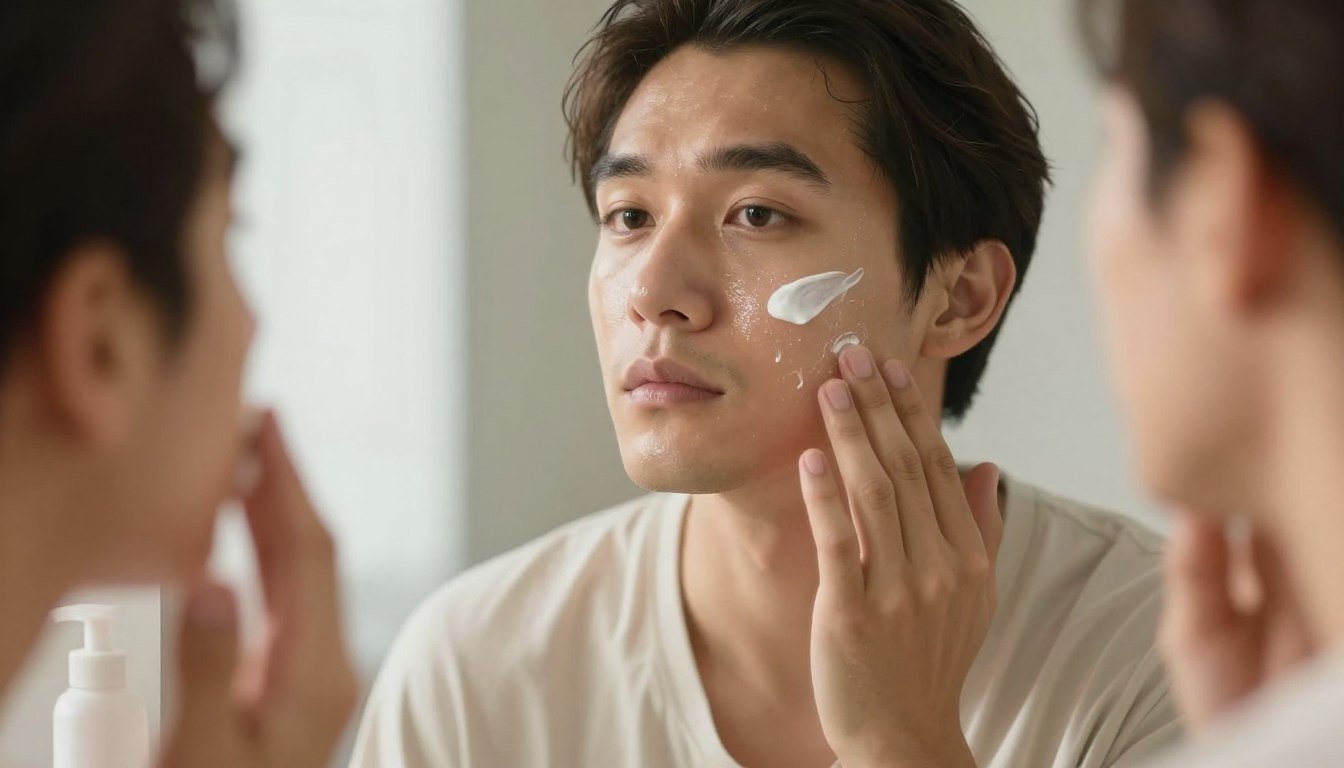
Protecting your skin from the sun is key to keeping it healthy. But, many face a problem: their skin looks slick and shiny right after they apply sunscreen. This can be really annoying, even more so in humid places or if you naturally have oily skin.
The main reason for this issue is how certain sunscreens react with heat and moisture. Heavy ingredients can lock in oils instead of being absorbed well. Knowing about these ingredients lets you pick products that won’t make your skin look greasy.
You don’t have to give up on sun protection for a smooth look. Finding the right products and how to apply them can help. This way, you can enjoy a day without worrying about your skin looking oily.
Why Sunscreen Makes Your Face Look Greasy
Ever wondered why your face looks greasy after sunscreen? You’re not alone. Many people face this issue, wondering Why Sunscreen Can Make Your Face Look Greasy. It often comes down to the sunscreen’s formula and how it reacts with your skin.
The Role of Emollients and Occlusives in Sunscreen Formulas
Sunscreens use emollients and occlusives to spread evenly and stay on water. These ingredients keep moisture in but can feel heavy. Occlusive agents block moisture loss but can trap sweat and oils.
This trapped moisture shows up as a shiny or greasy look. If you already have oily skin, these ingredients can make it worse. They stop your skin from breathing naturally.
How Your Natural Sebum Interacts with Sunscreen Filters
Your skin makes natural sebum to stay soft and protected. When you put on sunscreen, the filters sit on top of this oil. For those with oily skin, this can be a big problem.
- Chemical filters may dissolve into existing sebum, potentially altering their protective efficacy.
- Physical filters like zinc oxide can clump together when mixed with excess oil.
- The combination of sebum and SPF often creates a heavy, visible layer that reflects light.
The Impact of Humidity and Temperature on Product Performance
Environmental factors affect how sunscreen works on your face. High temperatures and humidity make your skin produce more oil. This extra oil mixes with sunscreen, making it thick and greasy.
When it’s humid, sweat can’t evaporate well. This trapped sweat mixes with sunscreen, ruining its finish. Knowing how these factors affect sunscreen helps you pick the right one for warm weather or active days.
Identifying the Right Sunscreen for Oily Skin
Choosing the right sunscreen for oily skin is key to avoiding a greasy face. The right formula protects your skin without making you uncomfortable. Knowing what’s in your products is crucial for a smooth daily routine.
Decoding Labels: Non-Comedogenic and Oil-Free Formulas
When looking for sunscreen, check for the non-comedogenic sunscreen label. This means the product won’t clog your pores. Clogged pores can cause breakouts and make your skin look oilier.
Also, opt for oil-free formulas to keep your skin feeling light. These products avoid heavy ingredients that can weigh your skin down. Choosing these options helps you stay shine-free all day.
Physical vs. Chemical Sunscreens: Which Finish Suits You Best
Choosing between physical and chemical sunscreens depends on your skin and preferences. Physical sunscreens use zinc or titanium to reflect UV rays. They might leave a white cast, but many are now lightweight.
Chemical sunscreens absorb UV rays and convert them to heat. They are thinner and spread easily, making them great for those who dislike a heavy feel. Try both to see which works best for your oily skin.
The Benefits of Matte Finish Sunscreens for Shine Control
If you have oily skin, a matte finish sunscreen is a must. These sunscreens absorb oil and give a soft, even look. A good oil-control sunscreen keeps your skin looking fresh all day.
These formulas often include silica or volcanic soil to control moisture. Using a matte finish sunscreen in your morning routine keeps your skin balanced. A dedicated oil-control sunscreen makes a big difference in your skin’s appearance.
Essential Sunscreen Application Tips for a Shine-Free Look
Enjoy full sun protection without a slick look by improving your skincare routine. Even top formulas can feel heavy if applied wrong. But, with a few simple sunscreen application tips, you can achieve a smooth, matte finish.
The Importance of Proper Skin Preparation Before Application
Your skin is the base for your SPF. Proper preparation is key to a grease-free day. Applying sunscreen over a heavy moisturizer can make it feel slippery.
Let your skincare absorb fully for two minutes. This creates a solid base that stops products from mixing.
Here’s how to get your skin ready for protection:
- Cleanse your face well to remove night oils.
- Choose a light, water-based serum over heavy creams.
- Wait until your skin is dry before applying sunscreen.
Techniques for Even Distribution Without Over-Applying
Many people get a greasy face from applying too much sunscreen. Use about 1/2 teaspoon for your face and neck. This helps spread the sunscreen evenly.
Blend the sunscreen outward, toward your hairline and jaw. This avoids excess in creases and around your eyes.
Allowing Sufficient Absorption Time Before Makeup Application
Be patient when layering makeup over sunscreen. Applying foundation too soon can ruin the protective layer. Letting your sunscreen absorb is crucial for a smooth finish.
Wait five to ten minutes before makeup. This lets the sunscreen bond with your skin. If in a hurry, use a clean tissue to remove excess before makeup.
Effective Skincare Layering Strategies
If your face feels greasy by noon, it might be because of how you layer your skincare products. Using too many heavy products in the morning can make your skin look congested and shiny. By simplifying your routine, you can keep your skin balanced and protected all day.
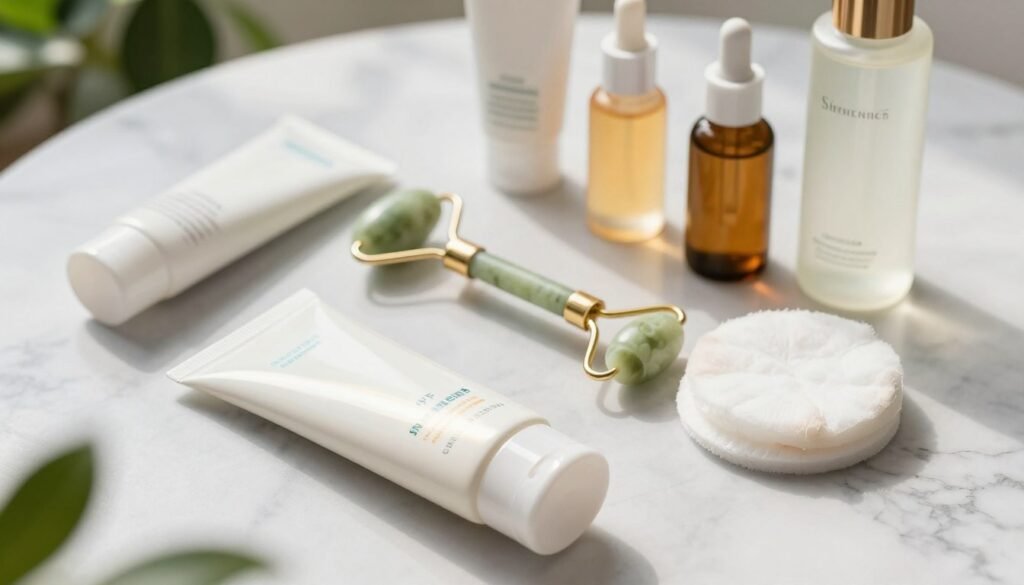
Simplifying Your Morning Routine to Reduce Product Buildup
For a matte finish, sometimes less is more. When you use many serums and creams, your skin may have trouble absorbing the sunscreen. Reducing your morning steps helps avoid too much residue on your skin.
Stick to the basics: a gentle cleanser, a targeted treatment, and your SPF. This simple routine is enough for most people. It lets your sunscreen work well with your skin.
Choosing Lightweight Moisturizers That Complement SPF
If you have oily skin, use gel or water-based hydrators. These formulas absorb quickly without leaving a sticky residue. Lightweight moisturizers pair well with sunscreen, adding moisture without causing more oil.
Stay away from heavy, oily creams that can fight with sunscreen. The right texture ensures your skincare products blend well. This keeps your face feeling fresh and comfortable for hours.
Using Niacinamide to Regulate Oil Production Throughout the Day
Niacinamide is great for controlling shine. It regulates sebum production and strengthens your skin barrier. Adding this ingredient to your routine helps manage oiliness.
Apply a thin layer of niacinamide serum before moisturizing or use a sunscreen with it. It’s a smart way to keep your skin matte and healthy. Regular use of these skincare products helps maintain a balanced look all day.
Managing Greasiness Throughout the Day
Keeping your skin looking fresh and matte is more than just a morning routine. Adding simple greasy face remedies to your daily routine can help. This way, your skin stays balanced and healthy all day long.
Using Blotting Papers Without Removing Your Sun Protection
Blotting papers are great for soaking up extra oil without messing with your makeup or SPF. Just gently press the paper on oily spots like your T-zone, not rubbing it all over.
This method gets rid of surface oil while keeping your SPF in place. Always blot off extra oil before putting on more products. This stops buildup and clogged pores.
The Role of Translucent Setting Powders in Maintaining a Matte Finish
Translucent setting powders create a barrier that keeps your makeup and moisture in. A light dusting of powder helps minimize visible shine all day. It does this without adding color or texture.
Apply powder mainly to oily spots like your forehead, nose, and chin. This keeps your skin smooth and matte for hours.
Refreshing Your SPF with Powder-Based Sunscreens
Applying liquid sunscreen over makeup can make it look messy or cakey. Powder-based sunscreens are a neat fix for quick touch-ups on the go.
These products are for easy, mess-free reapplication and also set your makeup. Following these sunscreen tips keeps your face protected and looking clean and refreshed.
Common Mistakes That Lead to a Greasy Complexion
Even the best products can fail if you make simple mistakes. Many people struggle with oily skin because they use products wrong. Knowing these common errors helps keep your oily skin clear and protected.
Applying Too Much Product at Once
It’s tempting to use a lot of product, but it’s not always better. Too much product doesn’t sink into pores. It stays on the surface, making your skin look greasy and attracting dirt.
Try applying your sunscreen for oily skin in two thin layers. This way, the first layer sets before you add the second. You get full coverage without feeling heavy.
Skipping Exfoliation and Its Effect on Product Absorption
Not exfoliating leads to dead skin cells on your face. These cells block your skincare from absorbing. When products can’t get in, they just sit on top, making your skin shiny.
Also, not cleaning your face well in the morning or evening makes things worse. Oil and debris mix with your SPF, making it sticky. Consistent exfoliation helps your products work better.
Using Heavy Creams That Are Not Designed for Oily Skin
Many people use rich moisturizers meant for dry skin. These creams can clog pores and make your skin look oilier. If you have oily skin, these products will make it worse by midday.
Always choose a non-comedogenic sunscreen made for oily skin. These products are light and breathable. They help you stay matte while protecting your skin from UV damage.
Top Recommended Products for a Matte Sunscreen Experience
Finding the right sunscreen is key to a shine-free face. With many skincare products out there, picking one that protects and feels good can be tough. Here are some top picks to help you look clean and polished all day.
La Roche-Posay Anthelios Clear Skin Dry Touch Sunscreen
This oil-control sunscreen is great for those with oily skin. It has a dry-touch feel that absorbs fast, leaving no sticky residue. It keeps your face fresh, even when it’s humid.
EltaMD UV Clear Broad-Spectrum SPF 46
Looking for the best sunscreen for greasy face? This one is a top pick from dermatologists. It has niacinamide and hyaluronic acid for sensitive or acne-prone skin. Plus, it’s lightweight, keeping your pores clear and comfy.
Supergoop! Unseen Sunscreen for an Invisible Finish
Want a sunscreen that feels like nothing? This matte finish sunscreen is perfect. It smooths your skin and provides invisible protection. It’s oil-free and scentless, great under makeup or on its own for a natural look.
Conclusion
Getting a shine-free face means changing your morning skincare routine. You can keep your skin safe from the sun and still look clean and matte. Just pick the right products for your skin type.
Finding the best sunscreen for oily skin takes some trial and error. Look for lightweight, non-comedogenic formulas that soak into your skin fast. These products help avoid that greasy, heavy feeling that messes up your makeup or daily look.
Good oily face remedies are not just about the products you use. It’s also about staying hydrated and using blotting papers to control oil all day. Keeping up with these habits helps keep your skin healthy and shiny-free.
Take charge of your skincare by trying these expert tips today. Your skin needs top-notch protection that feels as good as it looks. Begin with small steps, see how your skin reacts to different textures, and feel the confidence of a perfectly balanced look.
FAQ
Why does my skin feel oily even when I use an oil-free sunscreen?
Oil-free sunscreens can still trap sweat and sebum. Heat can also make them feel greasy. Using a matte sunscreen can help.
What are the most effective greasy face remedies for midday shine?
Use blotting papers and powder-based sunscreens. They remove excess oil and protect your skin without adding heaviness.
Can I skip moisturizer if my sunscreen makes me feel too greasy?
Yes, many modern sunscreens provide enough hydration. Look for ones with hyaluronic acid for a lightweight option.
What should I look for on a label to find the best sunscreen for greasy face?
Look for “non-comedogenic,” “oil-free,” “dry-touch,” and “matte finish.” These indicate products that manage oil and avoid clogging pores.
Does the amount of sunscreen I apply affect how greasy I look?
Yes, applying too much sunscreen can lead to a greasy look. Apply in thin layers for better absorption and a flat finish.