
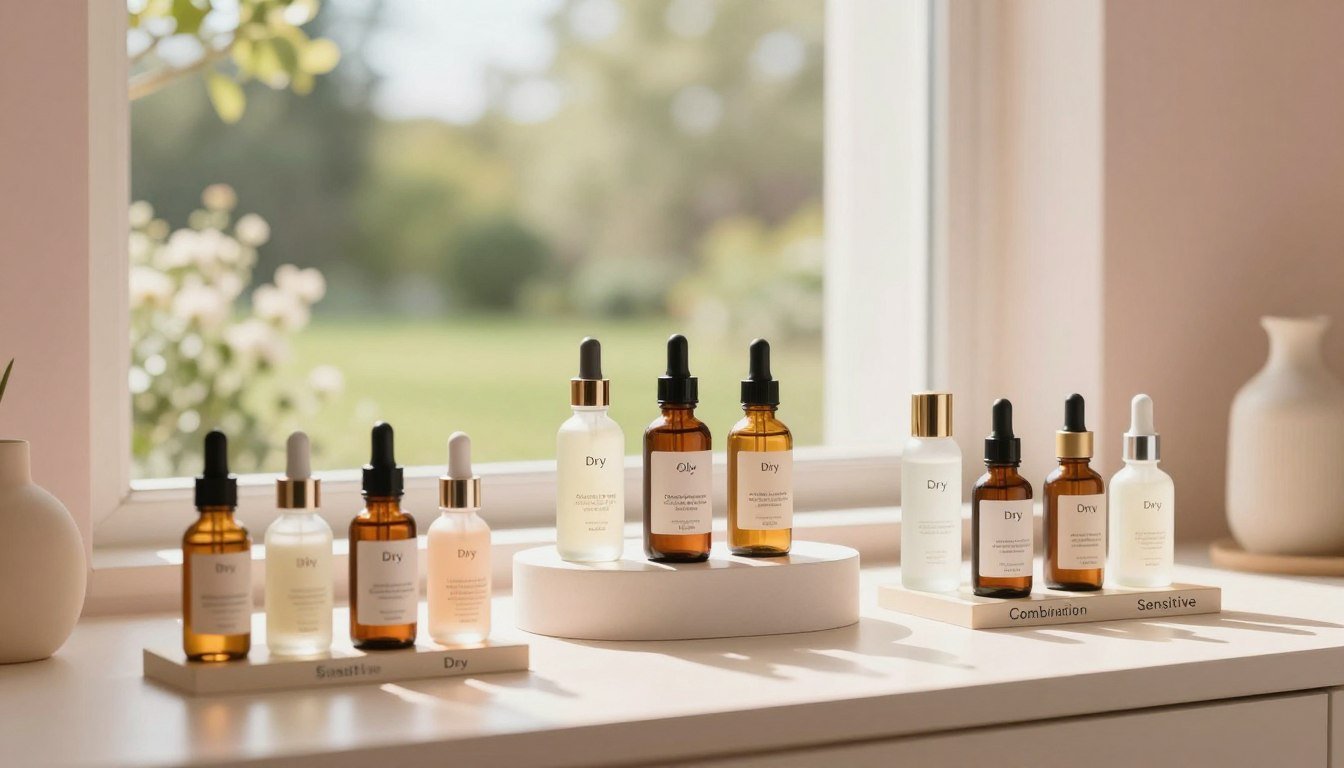
Facial treatments are like precision tools in your beauty routine. They have strong formulas that go deep into your skin. This helps fix problems like dryness, dullness, or losing collagen.
By picking the right serum for your skin, you can change how your skin looks and feels. It’s a key step in keeping your skin healthy.
Think of these products as experts that work behind the scenes. While moisturizers protect your skin, serums go deeper. They give results-driven performance.
Choosing the right serum means your routine works better, not just longer. It’s all about getting the most out of your skincare.
Whether you need more moisture or brighter skin, finding the right formula is key. When you match your products to your skin’s needs, you get a glowing, healthy look. It turns your vanity into a place where every drop of product works its best for your face.
What Serums Do for Your Skin
Adding a serum to your skincare routine can quickly show results. These lightweight treatments are packed with active ingredients. They help your skin get the nutrients it needs.
Serums target specific skin issues like dark spots, fine lines, or dryness. They give your skin a boost from the inside out. Knowing how they work helps you create a skincare plan that really works.
Why Serums Are More Potent Than Moisturizers
Serums and moisturizers are different because of their ingredients. Serums have smaller molecules that get into your skin better. Moisturizers, on the other hand, create a barrier on your skin’s surface.
Serums don’t have heavy ingredients, so they don’t feel greasy. They’re perfect for delivering strong ingredients like Vitamin C or retinol. This makes them great for targeting specific skincare needs.
- Deep penetration of active ingredients into the dermis.
- Lightweight texture that absorbs quickly without clogging pores.
- High concentration of vitamins and antioxidants for visible results.
- Customizable solutions to address specific skin concerns effectively.
How Active Ingredients Penetrate the Skin Barrier
Your skin barrier keeps moisture in and bad stuff out. But it can also stop big molecules from getting in. Serums use special ways to make sure active ingredients get where they need to go.
Using a serum with small molecules helps your skin absorb it well. This is key for finding the best serum for skin type to tackle ongoing problems. When you use them right, you get the most out of every drop.
Identifying Your Unique Skin Type
Before picking the right product, you need to know your skin’s language. Start with the cleansing test. Cleanse your face gently, dry it, and wait two hours without any products to see your skin’s natural state.
This method helps you pick the best serum ingredients for skin type without guessing. It prevents using harsh products that can irritate or cause breakouts.
The Blotting Paper Test for Oily and Combination Skin
The blotting paper test is great for oily skin. Press a clean blotting paper on your face, like your forehead, nose, and cheeks.
If the paper gets oily from everywhere, you have oily skin. If it only gets oily in your T-zone, you have combination skin. This skin needs special serum ingredients for skin type to balance oil and moisture.
Recognizing Signs of Dehydration and Dryness
Dry skin feels tight, flaky, or rough after two hours. Dehydrated skin looks dull and has fine lines, even if it feels oily.
It’s important to know the difference for the right serum ingredients for skin type. Dry skin needs lipids and heavy moisture. Dehydrated skin needs water-binding humectants to look better.
Assessing Sensitivity and Reactive Skin Patterns
Sensitive skin shows as redness, itching, or burning after cleansing. If your skin reacts fast to new things or products, choose soothing serum ingredients for skin type.
Look for calming agents that help your moisture barrier. Knowing your skin’s reactions helps keep your routine gentle and healthy.
How to Choose a Serum for Your Skin Type
Your skin is always changing, so picking the right serum is key. It must adapt to stress, age, and your environment. Knowing how to choose a serum for your skin type means giving your face what it needs.
Matching Serum Textures to Your Skin Needs
The serum’s texture is crucial for absorption. If you have oily skin, choose water-based or gel formulas. They absorb fast and don’t clog pores.
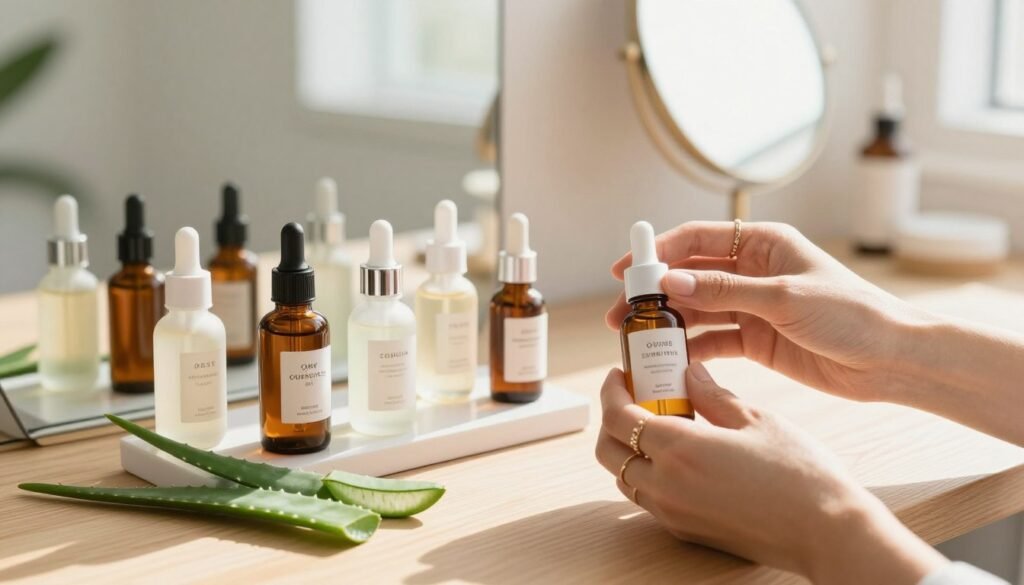
For dry or mature skin, oil-based or creamy serums are best. They create a moisture barrier. It’s important to match the serum’s texture to your skin’s natural oil.
Prioritizing Targeted Concerns Over General Claims
Focus on your main skin concerns. Whether it’s hyperpigmentation, loss of elasticity, or dullness, choose serums with specific ingredients. A brightening serum won’t be the same as a firming one.
Don’t fall for broad claims. Look for scientific proof of the benefits you want. By following these tips for selecting a serum, you’ll see real improvements in your skin.
Selecting the Best Serum for Oily Skin
Dealing with too much shine? The right serum for oily skin can change everything. Excess sebum makes your skin look greasy and pores bigger. The right product keeps your skin looking matte and fresh all day.
Benefits of Niacinamide and Salicylic Acid
Niacinamide and salicylic acid are key for oily skin. Niacinamide controls sebum and reduces pore size. Salicylic acid cleans deep into pores, keeping them clear.
- Niacinamide strengthens the skin and improves texture.
- Salicylic acid clears pores of trapped debris.
- Together, they stop breakouts and reduce inflammation.
Lightweight Formulas That Prevent Clogged Pores
The feel of your skincare is as important as its ingredients. Look for a serum that’s water-based or gel-like. These formulas soak in fast, without leaving a heavy feel.
Stay away from heavy oils or occlusives, as they can clog pores. Choose non-comedogenic products to keep pores open. A good serum for oily skin hydrates without making your skin oily.
Choosing the Right Serum for Dry Skin
If your skin feels tight or flaky, finding the right serum for dry skin is key. Dry skin has trouble keeping moisture, making it look dull and leading to fine lines early. The right serum ingredients for skin type can bring back your natural glow and comfort.
The Power of Hyaluronic Acid and Ceramides
Hyaluronic acid pulls in moisture like a magnet. It’s crucial for dry skin because it holds water, giving both quick and lasting hydration. Ceramides, when combined with hyaluronic acid, seal your skin’s gaps.
Ceramides are lipids that keep your skin cells together. A formula with both hyaluronic acid and ceramides keeps your skin plump and guards against environmental stress. Here are the benefits for your routine:
- Deep hydration that lasts all day.
- Barrier repair to stop moisture loss.
- Smoothing effects on rough or flaky skin.
- Plumping action to hide dehydration lines.
Oil-Based Serums for Deep Moisture Retention
Water-based serums hydrate, but oil-based ones offer deeper nourishment. They create a barrier that keeps moisture in, stopping it from escaping into the air. This is great for dry or cold climates.
Oil-based serums feel richer and more soothing on dry skin. They give essential fatty acids to keep your skin soft and strong. Adding them to your evening routine can make your skin soft and hydrated every morning.
Finding a Gentle Serum for Sensitive Skin
If your skin often gets red, you need a serum for sensitive skin that focuses on calm. When your skin is weak, even small things can cause pain or swelling. The right serum keeps your skin healthy and glowing, without any bad reactions.
Avoiding Fragrances and Harsh Exfoliants
Many skincare products have synthetic fragrances that can upset sensitive skin. These can cause hidden irritation that gets worse over time, making your skin stay red. Always check the labels to make sure your serum for sensitive skin doesn’t have artificial scents or colors.
Also, be careful with strong chemical exfoliants like AHAs or BHAs. They might be good for other skin types, but they can take away the oils your sensitive skin needs. Choose gentle, non-exfoliating products to keep your skin’s moisture barrier strong.
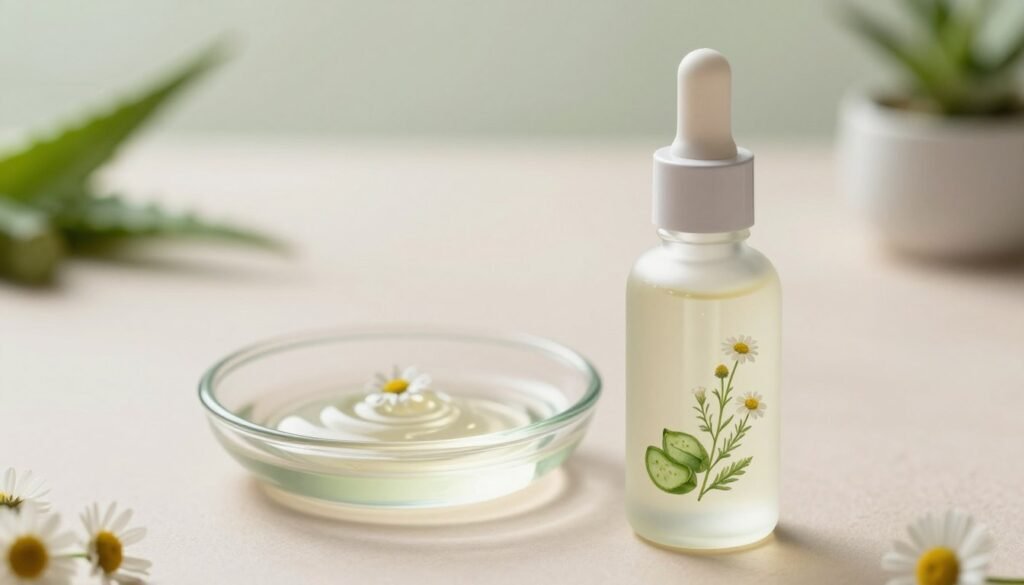
Soothing Ingredients Like Centella Asiatica and Aloe
Look for products with ingredients like Centella asiatica that calm your skin. This plant is great at soothing redness and fixing your skin’s barrier. It also cools your skin, helping it recover from the outside world.
Aloe vera is also key for deep, non-greasy moisture. These ingredients work together to make your skin’s microbiome stronger. By using them daily, you help your skin stay comfortable and clear.
Balancing Act for Combination Skin
Finding the right balance for your skin can seem like a puzzle. But, with the right strategy, it’s easier than you think. You might have oily skin in your T-zone but dry cheeks or jawline. This mix calls for a careful daily routine.
Choosing the right products is key. Use a serum for oily skin on your forehead, nose, and chin. This keeps oiliness in check without drying out your skin. By focusing on these areas, you make sure your face gets what it needs.
Layering Techniques for Different Facial Zones
Layering is crucial for managing complex skin types. Start with oil-controlling formulas on your T-zone. This lets the ingredients work where they’re needed most.
After the first layer, add a hydrating formula to your cheeks. Using a serum for oily skin in these areas prevents dryness. This approach gives your face a healthy, even glow.
Multi-Tasking Ingredients That Balance Sebum Production
You don’t need a lot of products for balance. Look for ones with ingredients that hydrate and control oil. Niacinamide is great because it calms the skin and regulates oil.
Hyaluronic acid is also key for deep moisture without heavy oils. Products with these ingredients simplify your routine. A consistent, multi-tasking approach keeps your skin clear and comfortable every day.
Essential Tips for Selecting a Serum Based on Age and Environment
Choosing the right serum for your age and climate is key to healthy skin. Your skin faces many challenges, like pollution and UV rays, which change with the seasons and where you live. By adjusting your skincare, you help your skin fight off damage.
Antioxidants for Environmental Protection
Pollution, UV rays, and blue light from screens can harm your skin. Using antioxidants daily helps protect your skin from these dangers. These ingredients fight off free radicals before they damage your skin cells.
- Vitamin C: Brightens your skin and boosts its natural defenses.
- Green Tea Extract: Reduces inflammation from sun and pollution.
- Niacinamide: Strengthens your skin’s barrier to keep moisture in and irritants out.
- Resveratrol: Provides long-lasting protection against oxidative stress.
Retinoids and Peptides for Anti-Aging Goals
As you get older, your skin loses elasticity and collagen. This leads to wrinkles and texture changes. Retinoids and peptides help by boosting cell turnover and supporting your skin’s structure. Start using them in your evening routine slowly.
For dry skin in cold weather, choose a serum with peptides and hydrating oils. This keeps your skin from feeling tight. On the other hand, for combination skin in humid climates, pick a lightweight, peptide-rich gel. It absorbs fast without clogging pores.
Being consistent is crucial for fighting aging signs. By picking products that fit your environment, you give your skin the right support. Always watch how your skin reacts to these ingredients as the seasons change.
Common Mistakes to Avoid When Applying Serums
Getting the best skin isn’t just about picking the right serum. It’s also about how you use it. Even if you’ve chosen a great serum, applying it wrong can undo all your hard work. Making a few tweaks to your skincare routine can make a big difference.
The Importance of Proper Layering Order
How you layer your skincare products matters a lot. Always put your serum on after you’ve cleaned and toned your face. This lets the active ingredients get deep into your skin without being stopped by thicker products.
Remember, apply your products from thinnest to thickest. So, serum first, then moisturizer, and lastly SPF. This way, your skin gets the most out of every drop.
Why You Should Not Skip Your Moisturizer
Some people think a strong serum can do it all, even replace moisturizer. But serums are meant to give you a boost, while moisturizers keep that moisture in. Skipping moisturizer can make your skin feel dry or tight, even with a top-notch serum.
This is even more true for sensitive skin serums. Without moisturizer, your skin might get irritated or damaged by the environment. Always seal in your serum with a gentle cream to keep your skin healthy and balanced all day.
Conclusion
Your journey to a healthier skin starts with knowing what you need. By figuring out your skin type, you can use ingredients that work best for you. This lets you pick products that solve your specific skin problems.
To get the most out of your skin serum, stick to your daily routine. Most serums take four to eight weeks to show results. Being patient is key to achieving lasting skin health.
Brands like SkinCeuticals or The Ordinary have many options to help you. Whether you want to hydrate, brighten, or calm your skin, the right product makes a big difference. You can change how you look with the right daily care.
Begin by picking a serum that fits your lifestyle and age. Using these powerful treatments regularly will give you a glowing, balanced look. Your skin is worth the best care you can give it.
FAQ
How to Choose a Serum for Your Skin Type if I have both acne and dryness?
For acne-prone and dry skin, look for “non-comedogenic” hydrating formulas. Niacinamide treats blemishes and maintains the skin barrier. Consider layering a Salicylic Acid serum on breakouts and a Hyaluronic Acid serum on dry patches.
What are the primary skin serum benefits compared to using just a face oil?
Serums deliver active vitamins and antioxidants deep into the dermis. They treat underlying issues, unlike oils that seal the surface.
Are there specific serum ingredients for skin type that I should avoid if I have rosacea?
Yes, avoid high concentrations of Vitamin C, Glycolic Acid, and synthetic fragrances if you have rosacea. Instead, look for soothing ingredients like Centella Asiatica, green tea extract, and Panthenol.
Do you have any tips for selecting a serum for use during the winter months?
In winter, even oily skin may dehydrate. Swap lightweight gels for oil-infused serums or those rich in Ceramides and Squalane. This provides extra protection against dry air.
Can I use a serum for oily skin if I also have sensitive areas?
Yes, but be selective. Look for a serum with gentle derivatives of salicylic acid or lower concentrations of niacinamide. La Roche-Posay offers products for oily-sensitive skin to avoid irritation.
Is a serum for dry skin enough to replace my night cream?
Generally, no. Serums penetrate deeply but lack occlusive ingredients found in night creams. Apply your serum first and then a cream like CeraVe Skin Renewing Night Cream for best results.
How should I apply a serum for combination skin for maximum efficiency?
For combination skin, use “zone-treating.” Apply a balancing serum to the T-zone and a hydrating serum to cheeks. This ensures each area gets the right treatment.