
Keeping your skin healthy means using sunscreen every day. Many think a thin layer is enough to block harmful rays. But, doctors say most people don’t use enough to get the SPF they need.
This mistake can cause early aging, dark spots, and burns. Even if sunscreen says it’s high protection, it won’t work if you don’t use enough. Knowing how much to use is key to keeping your skin healthy.
Proper application is the secret to effective skincare. Learning how much sunscreen to use on your face is crucial. This guide explains the science behind it. It helps you apply sunscreen correctly to keep your skin looking good all year.
How Much Sunscreen Should You Use on Your Face?
Learning how much facial sunscreen quantity you need is key to protecting your skin. Many people don’t apply enough, leaving their skin open to harm. By following face sun protection guidelines, you get the most out of your sunscreen.
The Standard Measurement for Facial Protection
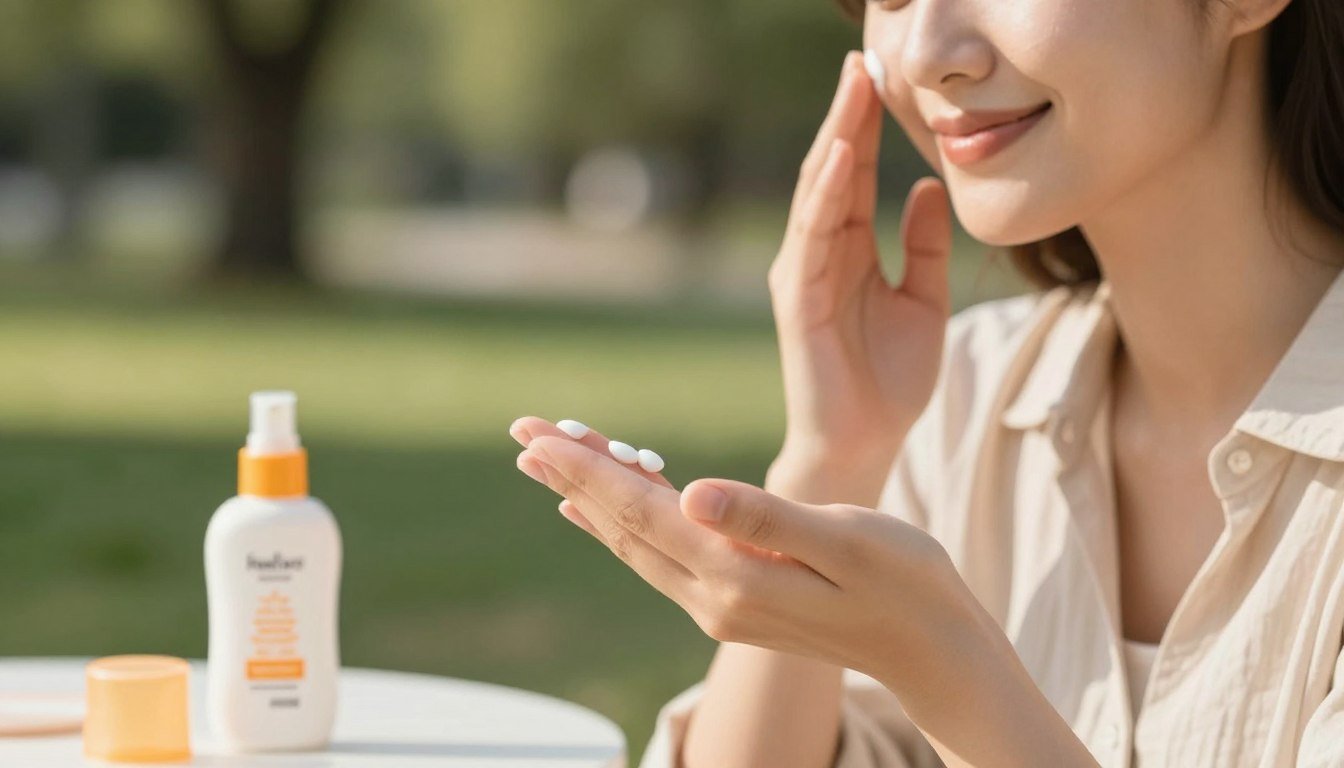
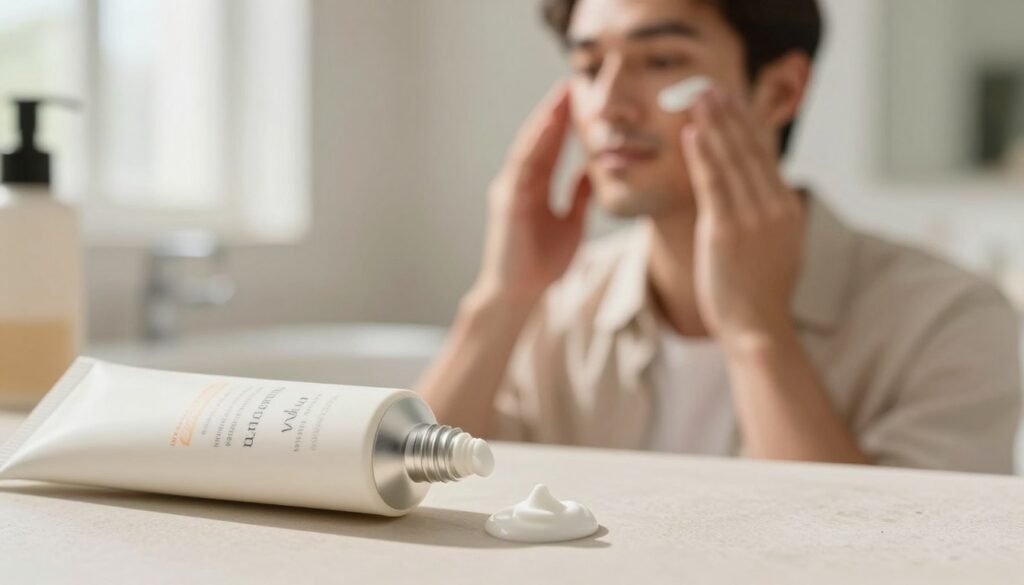
Dermatologists say a nickel-sized dollop is enough for your face. This amount gives you the SPF protection your sunscreen promises. Using sunscreen for facial protection in this way blocks harmful UV rays well.
Why the Nickel-Sized Rule Matters
The SPF on your sunscreen depends on the product thickness applied. Too little means less protection. Consistency is key for keeping your skin healthy all day.
Using the right amount ensures the active ingredients create an even film. This film blocks UVA and UVB rays well. Sticking to a standard helps avoid the mistake of applying too little.
Adjusting for Different Face Shapes and Sizes
The nickel rule is a good start, but needs can vary. Those with bigger faces or who cover ears and neck might need more. Always aim to cover all exposed skin for uniform protection.
Think about your face’s shape when figuring out your face sunscreen dosage. If you have a bigger forehead or wider jaw, add a bit more. This way, you ensure no spot is left out in your daily routine.
The Science Behind Proper Sunscreen Coverage
Did you know the SPF on your sunscreen is based on a specific amount of product? You need about two milligrams of sunscreen per square centimeter of skin. This is the only way to get the protection listed on the label.

How SPF and Broad-Spectrum Protection Work
SPF stands for Sun Protection Factor. It shows how well a product blocks UVB rays. Broad-spectrum protection also guards against UVA rays, which cause deep skin damage. Proper sunscreen coverage for the face creates a strong barrier against these harmful rays.
How Under-Application Impacts Your Skin Health
Many people don’t apply enough sunscreen. This greatly reduces the protection they get. Using sunscreen for facial protection in thin layers can expose your skin to oxidative stress. This can cause premature aging, dark spots, and increase the risk of skin cancer.
The Role of Film Thickness in UV Filtration
The thickness of the sunscreen film is key to UV filtration. If it’s too thin, the ingredients can’t block or absorb radiation. Following face sun protection guidelines ensures the film stays thick enough to protect you all day.
Practical Techniques for Applying Sunscreen to Your Face
Getting your daily sunscreen routine right is key to protecting your skin. Many people don’t apply enough, leaving gaps in UV protection. By following a few simple steps, you can keep your skin safe all day.
The Two-Finger Method for Accurate Dosing
The two-finger method is the best way to get the right amount of sunscreen. You squeeze it along your index and middle fingers.
When applying sunscreen to your face, this amount covers your face and neck well. It helps you avoid under-applying.
Ensuring Even Distribution Across Your Features
After getting the right amount, spread it evenly. Start by dotting it on your forehead, cheeks, nose, and chin.
- Spread it with gentle, circular motions.
- Avoid rubbing too hard to prevent pilling.
- Make sure to cover up to your hairline.
Focusing on Often-Missed Areas Like Ears and Eyelids
Don’t forget to protect your ears and eyelids. These areas are prone to sun damage and aging.
Use your ring finger to apply sunscreen to your eyelids carefully. Don’t forget the tops and backs of your ears, as they get a lot of sun.
Blending Techniques for Seamless Coverage
Getting a smooth finish is important for everyday wear. If your sunscreen looks white, try these tips:
- Warm the product in your palms before applying.
- Apply in sections to avoid drying out too fast.
- Use a damp makeup sponge for a smooth finish.
Layering Sunscreen with Your Daily Skincare Routine
Knowing the right order for your skincare and sunscreen is crucial. Always apply sunscreen last in the morning.
Wait for your moisturizer or serum to soak in before applying SPF. This keeps the sunscreen film on your skin.
Common Mistakes That Compromise Your Sun Protection
Many people unknowingly harm their sun protection with simple habits. Even with the right SPF, your skin is still at risk if you don’t apply sunscreen correctly. Knowing these common mistakes is key to keeping your skin safe all day.
The Dangers of Diluting Sunscreen with Moisturizer
Mixing sunscreen with moisturizer or foundation is a common mistake. It might save time, but it changes the sunscreen’s chemical makeup. Diluting sunscreen weakens its protective film, exposing your skin to UV rays.
Combining products can break down the SPF filters. Apply moisturizer first and let it dry. Then, apply sunscreen as usual to get full protection.
Why Reapplication Is Just as Important as Initial Dosage
Sunscreen doesn’t stay effective forever. Its filters break down from light and air. To keep your skin protected, reapply sunscreen regularly.
- Reapply sunscreen every two hours.
- Use enough to cover all skin.
- Don’t skip reapplication on cloudy days.
- Try setting sprays with SPF for quick touch-ups.
Accounting for Sweat and Environmental Exposure
Your surroundings affect how long sunscreen lasts. Activities that make you sweat or touch your face can remove it. Swimming, exercising, or drying off means you need to reapply sunscreen.
Always reapply sunscreen after swimming or sweating to protect your skin. Wind and humidity can also break down sunscreen. Stay alert and reapply as needed to keep your skin safe.
Conclusion
Using sunscreen every day is key to fighting off early aging and skin cancer. By sticking to simple habits, you can keep your skin healthy.
Make sure to use enough sunscreen by measuring it with your fingers or a nickel. This way, your face gets the right amount of protection from brands like La Roche-Posay or EltaMD. This careful approach helps block harmful UV rays.
Don’t just apply sunscreen once in the morning. Reapply it often to keep your skin safe from the environment and sweat. Even small changes in your skincare routine can make a big difference in the long run.
Take a moment to check how well you’re doing with sunscreen today. Share your best tips with others to help them protect their skin too. Your effort to use sunscreen properly can greatly improve your health.
FAQ
How much sunscreen should you use on your face to ensure full protection?
To get the protection your sunscreen promises, use about a nickel-sized amount on your face. This amount is key to meeting the SPF standards in lab tests. It’s crucial for keeping your skin safe from UV damage and looking healthy.
What is the most effective way to measure the correct face sunscreen dosage?
The two-finger method is a simple way to measure sunscreen. Squeeze sunscreen along your index and middle fingers. This helps you apply the right amount for your face and neck. It makes sure you don’t apply too little.
Why is the thickness of the product film important when applying sunscreen on the face?
For your face to be protected, the sunscreen needs to be thick enough. A thin layer won’t block UV rays well. This can cause damage and aging. Make sure to cover all areas, like your hairline and ears, for full protection.
Can I mix my sunscreen with my daily moisturizer to save time?
No, mixing sunscreen with other products is a bad idea. It weakens the sunscreen’s ability to block UV rays. Always apply sunscreen after your moisturizer has soaked in. Then, put on your makeup.
How often should I reapply my sunscreen to maintain a consistent SPF recommended amount?
Even with the right amount of sunscreen, it wears off over time. This is due to the sun, oils, and sweat. Reapply every two hours, or more if you’re swimming or sweating. Using top-quality sunscreens like La Roche-Posay Anthelios or EltaMD UV Clear is key to protecting your skin.