
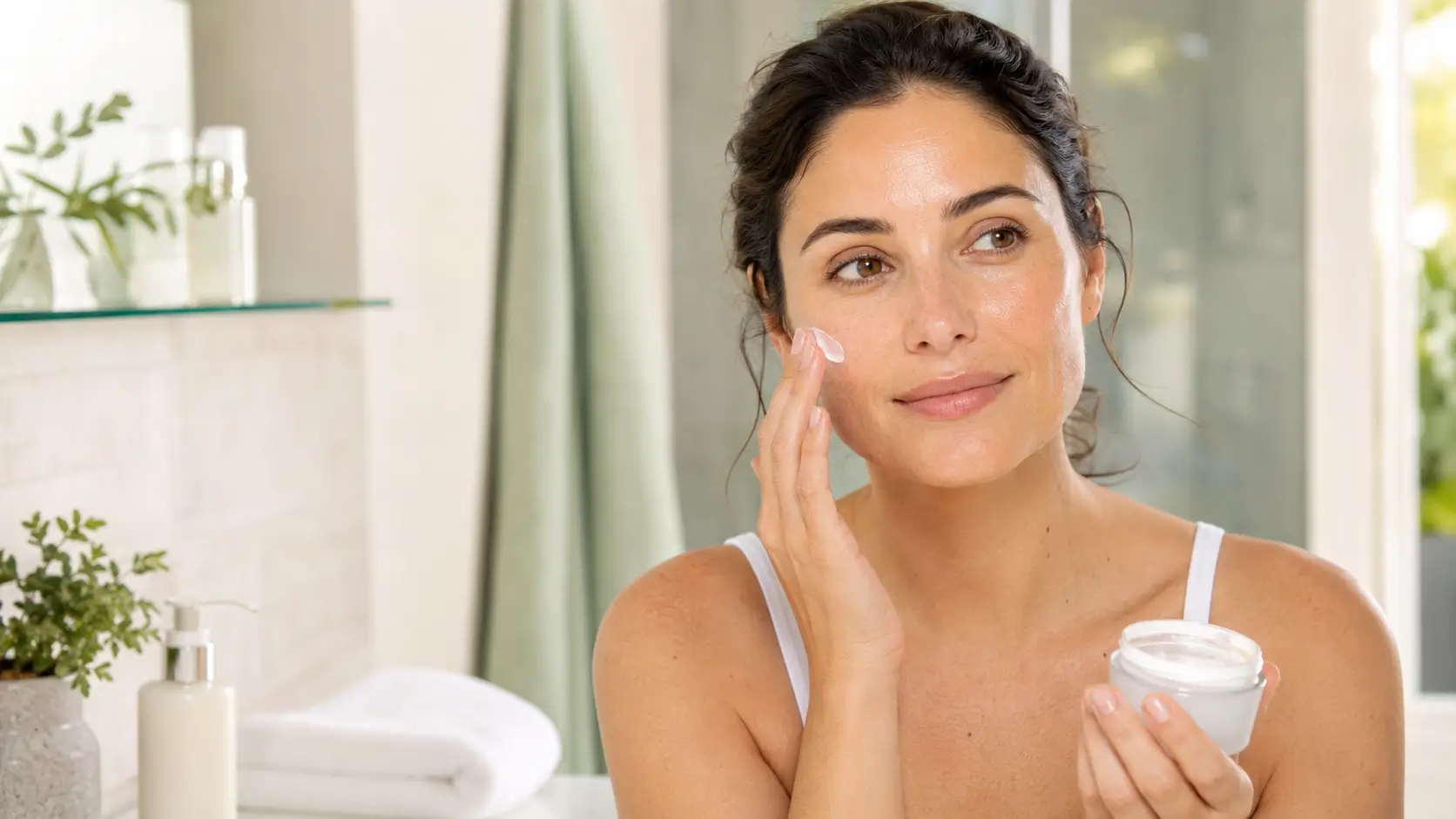
Yes, oily skin still needs moisturizer. Even if your skin looks shiny or feels greasy, it can still become dehydrated. Oil and water are not the same thing. Your skin may produce extra oil, but that does not always mean it has enough hydration.
A good moisturizer helps support your skin barrier, keeps your skin comfortable, and may even help reduce the feeling of excess oil over time. The key is choosing the right type of moisturizer. For oily skin, lightweight, non-greasy, and non-comedogenic formulas are usually the best choice.
If you have oily skin, skipping moisturizer may seem logical, but it can often make your skin feel tight, irritated, or even oilier.
What Does Oily Skin Mean?
Oily skin means your skin naturally produces more sebum. Sebum is the oil your skin makes to protect itself and stay soft. Everyone’s skin produces oil, but some people produce more than others.
Oily skin often looks shiny, especially around the forehead, nose, and chin. This area is commonly called the T-zone. People with oily skin may also notice larger-looking pores, makeup that slips off easily, or a greasy feeling by the middle of the day.
But oily skin is not “bad” skin. It simply needs the right balance. The goal is not to completely remove oil. The goal is to keep your skin clean, hydrated, and comfortable without making it feel heavy or clogged.
Why Oily Skin Still Needs Moisturizer
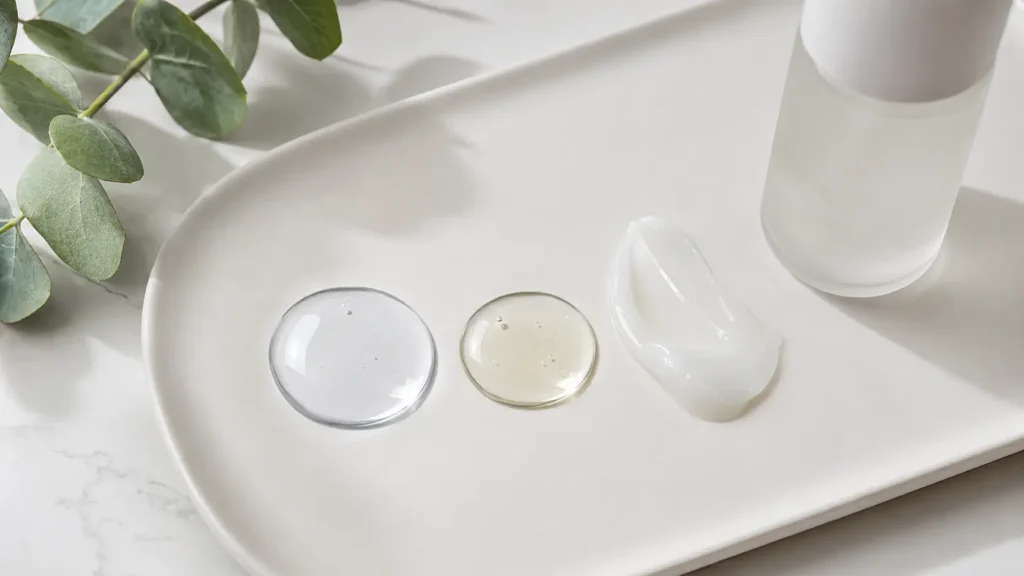
One of the biggest skincare misunderstandings is thinking oily skin does not need hydration. In reality, oily skin can still lack water.
When your skin is dehydrated, it may feel:
-
Tight after washing
-
Shiny but uncomfortable
-
Rough in some areas
-
More sensitive than usual
-
Greasy on the surface but dry underneath
Moisturizer helps seal in hydration and supports the skin barrier. Your skin barrier is the outer layer of your skin that helps protect it from dryness, irritation, and environmental stress.
When the skin barrier is not supported, your skin may feel irritated or unbalanced. For some people, skipping moisturizer can lead to more oiliness because the skin may try to compensate for dryness.
Why This Matters for Your Skincare Routine
Moisturizer is one of the basic steps in a healthy skincare routine. For oily skin, it can help your routine feel more balanced.
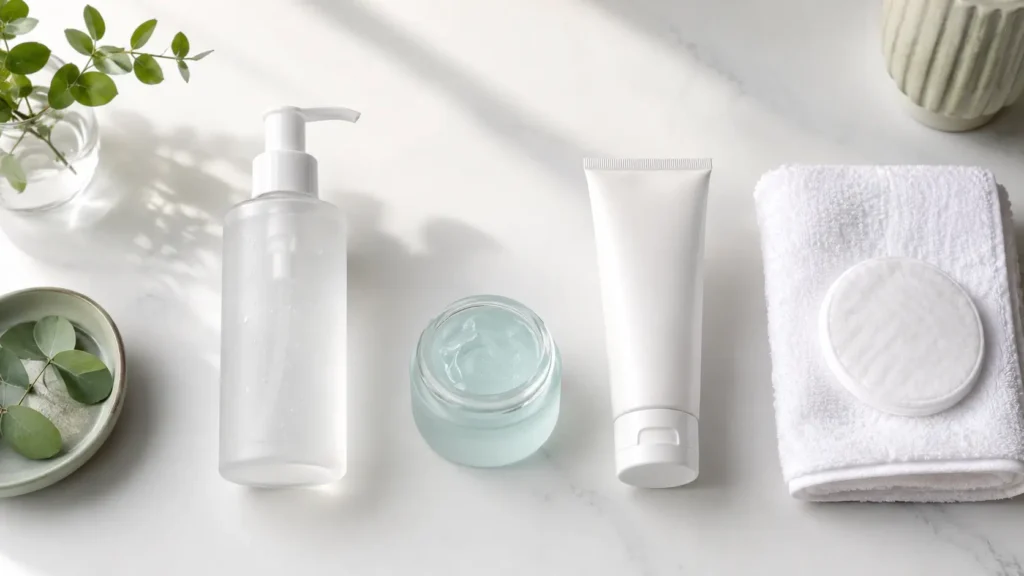
A simple routine usually includes:
-
Gentle cleanser
-
Lightweight moisturizer
-
Sunscreen in the morning
If you use acne-focused products, exfoliating acids, or strong cleansers, moisturizer becomes even more important. These products can sometimes make skin feel dry or irritated. A lightweight moisturizer can help keep the skin comfortable.
This does not mean you need a thick cream. Oily skin usually does better with a light lotion, gel, or water-based moisturizer.
Common Mistakes People Make With Oily Skin

Skipping Moisturizer Completely
Many people with oily skin avoid moisturizer because they think it will make their skin greasier. But skipping it can leave the skin dehydrated, tight, or irritated.
Using Harsh Cleansers
A cleanser that makes your skin feel “squeaky clean” may actually be too strong. If your face feels tight or dry after washing, your cleanser may be stripping too much oil.
Overwashing Your Face
Washing your face too often can disturb the skin barrier. For most people, cleansing twice a day is enough: once in the morning and once at night.
Choosing Heavy Products
Thick creams, rich oils, and heavy balms may feel too greasy for oily skin. They can also make the skin look shinier.
Confusing Oil With Hydration
Oil helps soften the skin, but hydration comes from water. Your skin can have too much oil and still need hydration.
How to Choose a Moisturizer for Oily Skin
Look for a moisturizer that feels light and comfortable. You do not need a complicated product. The best moisturizer for oily skin is usually simple, gentle, and easy to wear daily.
Helpful words to look for on labels include:
-
Lightweight
-
Oil-free
-
Non-comedogenic
-
Gel moisturizer
-
Water-based
-
Fragrance-free, especially for sensitive skin
Ingredients that may be helpful include:
-
Hyaluronic acid: Helps attract hydration to the skin.
-
Glycerin: Helps keep skin feeling hydrated.
-
Niacinamide: Can support the skin barrier and help improve the look of uneven tone.
-
Ceramides: Help support the skin barrier.
You do not need all of these ingredients in one product. A basic moisturizer that feels good on your skin is enough.
Practical Tips for Moisturizing Oily Skin
Apply Moisturizer After Cleansing
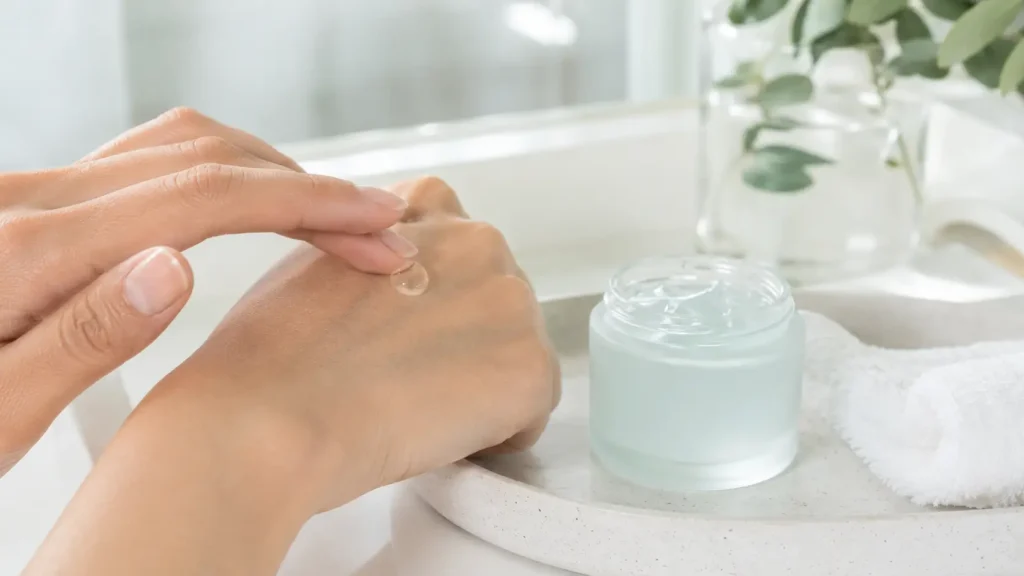
Use moisturizer after washing your face while your skin is still slightly damp. This helps lock in hydration.
Use a Small Amount
You do not need a lot. A pea-sized to dime-sized amount is often enough for the whole face, depending on the product.
Choose Lighter Textures
Gel, gel-cream, or lightweight lotion textures often work well for oily skin. They absorb quickly and do not feel heavy.
Do Not Skip Sunscreen
In the morning, use sunscreen after moisturizer. If your sunscreen is hydrating enough, you may not need a separate moisturizer in the daytime. But at night, a lightweight moisturizer is still helpful.
Adjust Based on Season
Your skin may need different care depending on the weather. In humid summer months, a gel moisturizer may be enough. In winter, you may need a slightly richer lotion.
What to Avoid If You Have Oily Skin
If your skin is oily, try to avoid products that make your face feel heavy, sticky, or overly shiny.
You may want to avoid:
-
Very thick creams unless your skin is also dry
-
Heavy facial oils
-
Harsh alcohol-based toners
-
Scrubs that feel rough on the skin
-
Washing your face many times a day
-
Using too many active ingredients at once
Also, avoid changing your entire routine too quickly. If you add too many new products at the same time, it becomes hard to know what is helping or irritating your skin.
When to Seek Professional Advice
If you have ongoing acne, painful breakouts, severe irritation, allergic reactions, burning, or a rash that does not improve, it is a good idea to speak with a dermatologist or healthcare professional.
This article is for general skincare education and is not medical advice. A professional can help you understand what is best for your skin, especially if you have persistent concerns or a diagnosed skin condition.
FAQs
1. Does oily skin need moisturizer every day?
Yes, oily skin can benefit from daily moisturizer. A lightweight moisturizer helps keep the skin hydrated and supports the skin barrier without needing to feel greasy.
2. Can moisturizer make oily skin worse?
It can if the formula is too heavy or greasy for your skin. Choose a lightweight, non-comedogenic moisturizer designed for oily or combination skin.
3. Should I moisturize oily skin at night?
Yes. Nighttime is a good time to use moisturizer because your skin can feel dry after cleansing or using treatment products. A light gel or lotion is usually enough.
4. Is gel moisturizer good for oily skin?
Yes, gel moisturizers are often a good choice for oily skin because they feel light, absorb quickly, and usually do not leave a heavy finish.
5. Can oily skin be dehydrated?
Yes. Oily skin can still lack water. Dehydrated oily skin may feel tight, shiny, rough, or uncomfortable.
6. Should I use moisturizer if I have acne-prone skin?
In many cases, yes. Acne-prone skin still needs hydration. Look for lightweight, non-comedogenic products. If acne is persistent, painful, or severe, speak with a dermatologist.
7. Can I skip moisturizer if my sunscreen feels hydrating?
In the morning, you may be able to skip a separate moisturizer if your sunscreen gives enough hydration. At night, it is usually helpful to use a lightweight moisturizer after cleansing.
8. How much moisturizer should I use for oily skin?
Start with a small amount, about a pea-sized to dime-sized amount for the face. If your skin still feels tight, you can use a little more.
Final Thoughts
Oily skin does need moisturizer, but the right type matters. You do not need a thick or heavy cream to care for oily skin. A lightweight, hydrating moisturizer can help your skin feel balanced, smooth, and comfortable.
Think of moisturizer as support for your skin, not something that adds unnecessary grease. When you choose a simple, oil-free, non-comedogenic formula and use it consistently, it can become one of the most helpful steps in your skincare routine.