
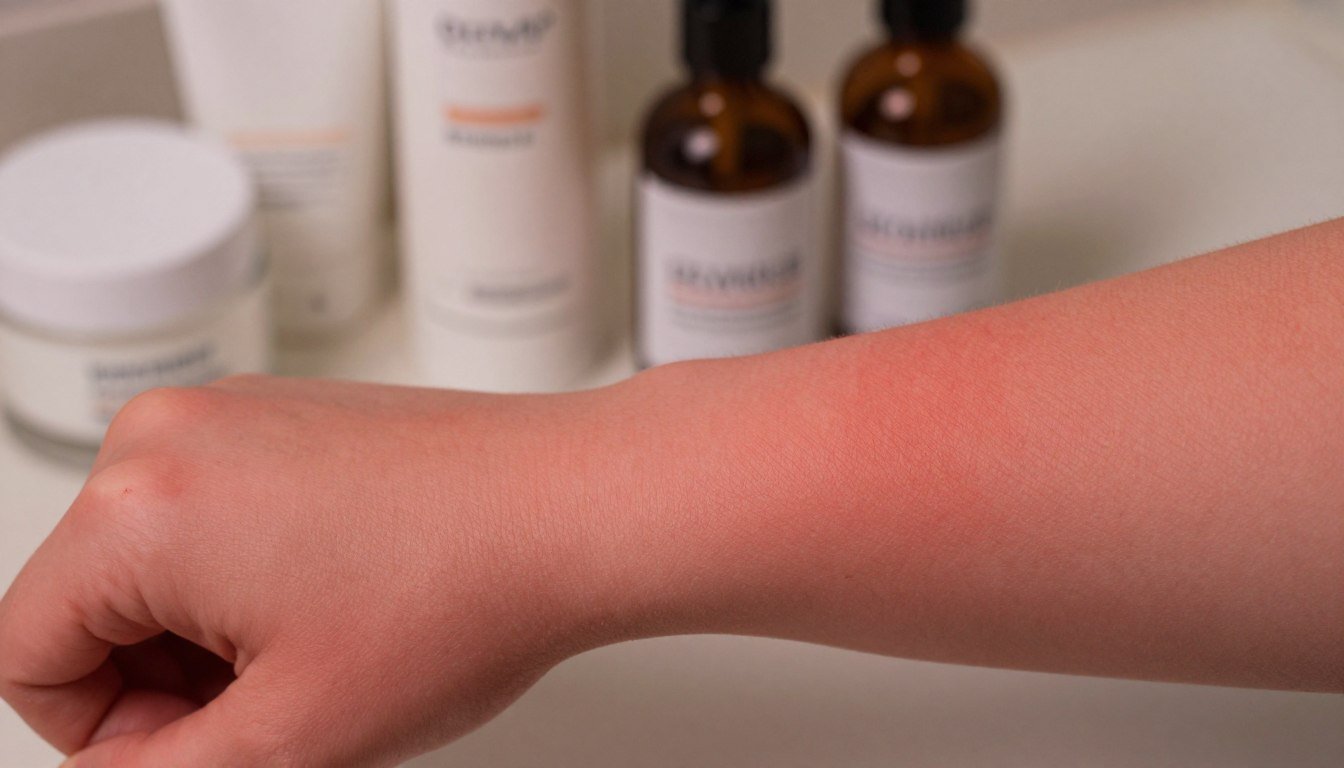
Ever felt a sudden heat on your face while using beauty products? Many people experience this discomfort. Yet, they often think it means the product is working. But, Why Your Skin Burns or Stings After Applying Skincare is rarely a good sign.
A burning sensation on skin usually means your skin’s protective barrier is broken. Ignoring these signs can lead to long-term irritation or inflammation. It’s crucial to see a skincare burning sensation as a warning from your body.
Finding out what causes this reaction is key to protecting your skin. By identifying the problem ingredient, you can change your routine to heal your skin. Taking action early prevents lasting damage and keeps your face calm and moisturized.
Stinging vs Allergic Reaction: What’s the Difference?
Many people mix up temporary skin irritation with a real allergic reaction. Both can be uncomfortable, but they come from different causes. Knowing what’s causing your skincare irritation is key to finding the right solution.
Sensory Irritation vs. Immune Response
Sensory irritation happens right when you put something on your skin. It’s when your skin’s barrier gets overwhelmed by something, like an acid or retinoid. This feeling usually goes away quickly and doesn’t involve your immune system.
A skincare allergic reaction, on the other hand, is a bigger deal. Your body sees a certain ingredient as a threat and fights it. This reaction can show up hours or days later and can spread beyond where you applied the product.
Recognizing the Signs of Contact Dermatitis
Contact dermatitis is a common skin issue caused by a reaction to something. It comes in two types: irritant and allergic contact dermatitis. Knowing the signs helps you figure out if it’s just skincare irritation or something more serious.
Look out for these signs:
- Persistent redness or swelling in the affected area.
- Itchy, raised bumps or a scaly rash.
- Blisters that may ooze or crust over.
- A burning sensation that doesn’t go away after washing off the product.
If you see these signs, your skin is likely having an allergic reaction. Unlike a quick sting, these symptoms need you to stop using the product right away. This lets your skin barrier heal.
Common Ingredients That Trigger a Burning Sensation on Skin
Knowing which ingredients cause skin stinging is key to a safe skincare routine. Many products have strong actives that can be too harsh if your skin isn’t ready. This can lead to temporary discomfort.
By checking your product labels, you can spot potential irritants early. This is crucial for keeping your skin healthy and avoiding damage.
The Role of Alpha and Beta Hydroxy Acids
Alpha hydroxy acids (AHAs) and beta hydroxy acids (BHAs) are strong exfoliants. They break down dead skin cells to reveal smoother skin. But, they can cause a burning sensation on skin if used too much.
Using them too often can harm your skin’s natural barrier. This can lead to more irritation.
Retinoids and the Adjustment Period
Retinoids are top choices for fighting aging signs, but they can irritate your skin at first. It takes time for your skin to get used to these vitamin A derivatives.
During this time, you might see redness or feel a sting. Start with a small amount and use it a few times a week. This helps your skin adjust without too much pain.
Fragrances and Essential Oils as Hidden Culprits
Fragrances and essential oils often cause skin problems. Even “natural” products can have plant extracts that irritate your skin.
These ingredients don’t help your skin health. Getting rid of them can quickly reduce skin sensitivity.
Preservatives and Alcohol Content
Some preservatives, like methylisothiazolinone, can cause allergic reactions. High amounts of drying alcohols can also dry out your skin.
When your skin’s barrier is broken by these, you’re more likely to feel a burning sensation on skin. Always look for these ingredients in your products.
Why Your Skin Burns or Stings After Applying Skincare: Identifying Compromised Barriers
A weak skin barrier can cause sudden reactions to skincare. Imagine your skin as a brick wall, with cells as bricks and lipids as mortar. When this wall weakens, your skin sensitivity goes up, making your skin more open to irritants.
Signs of a Damaged Skin Barrier
Spotting a damaged barrier early can stop long-term pain. You might feel your face tighten, even with thick moisturizers. Look out for:
- Persistent redness or flushing that doesn’t fade fast.
- Rough, flaky patches, even with regular hydration.
- A stinging feeling when using basic, non-active products.
- Being more sensitive to products you’ve used for years.
How Over-Exfoliation Leads to Sensitivity
Using too many acids or scrubs can hurt your skin. Exfoliation removes dead cells, but too much thins your skin’s outer layer. This exposes your nerve endings to the world.
This thinning makes it hard for your skin to keep moisture. Without moisture, your skin’s defenses weaken. Cut back on AHAs, BHAs, and scrubs to let your skin rebuild.
Environmental Factors and Weather-Related Irritation
External stressors greatly affect your skin sensitivity. Harsh winds, low humidity, and extreme temperatures dry out your face fast. These conditions make your skin work harder to stay intact.
When your barrier is weak, these factors can make your skin react to skincare. Use a thick, occlusive moisturizer in cold or dry months to keep moisture in. This protects your skin from the elements, helping it recover and stay calm.
The Role of Product Layering and Chemical Interactions
How you apply your serums and creams can make or break your skin’s calmness. Even the best products can cause problems if not used right. Changing how you apply them can help avoid irritation and keep your skin healthy.
The Dangers of Mixing Incompatible Actives
Combining strong ingredients can irritate your skin because it can’t handle too much. For instance, mixing Vitamin C with Retinol can upset your skin’s pH. This can lead to redness, peeling, or a burning feeling.
Always check your ingredient labels before layering new products. If unsure, use one active in the morning and another at night. This simple trick keeps your skin calm and avoids unnecessary stress.
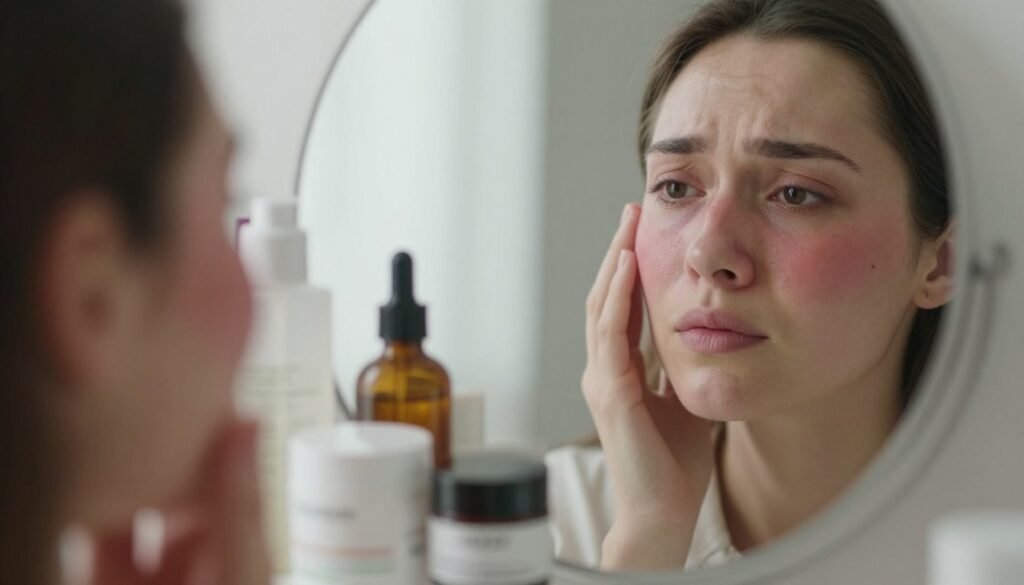
Why Applying Products on Damp Skin Increases Penetration
Using products on damp skin can draw them too deep into your skin. This is good for hydrating toners but bad for harsh actives. Applying acids or retinoids to wet skin can cause a lot of irritation.
To avoid this, make sure your skin is dry before using strong treatments. If you have sensitive skin, wait a bit longer after cleansing. This helps control how deep the product goes into your pores.
The Importance of Proper Wait Times Between Layers
Letting your skin absorb each layer is key to good skincare. Rushing can cause products to pill or react badly. Make sure each layer dries fully so each product works as it should.
Here are some tips for a safe and effective routine:
- Wait 60 seconds between applying different serums to allow for full absorption.
- Apply water-based products first, followed by oil-based formulas to lock in moisture.
- Use a thin layer of product to prevent overwhelming your skin’s natural barrier.
- Patch test any new combination on your inner arm before applying it to your face.
How to Identify a Skincare Allergic Reaction vs. Sensitivity
It’s important to know the difference between sensitivity and an allergic reaction. Sensitivity might sting a bit but goes away fast. But, an skincare allergic reaction gets worse or stays the same. Knowing this helps you choose better products for your skin.
Patch Testing Your New Products
Always test new products on a small area first. Try it on your inner forearm or behind your ear. Wait 24 to 48 hours to see how your skin reacts.
If you get itching, swelling, or blisters, don’t use it. This is the safest way to avoid a topical products reaction. Be careful with strong ingredients in your skincare.
Distinguishing Between Redness and Rashes
It’s key to know the difference between simple irritation and a serious issue. Redness that goes away quickly is usually okay. But, a skincare rash with bumps, hives, or lasting inflammation is not.
If the area feels hot or has tiny blisters, it’s an allergic reaction. Don’t ignore these signs. They mean your skin is having trouble with the ingredients. Keep watching your skin’s health closely.
Tracking Your Skincare Routine for Triggers
Write down what products you use and when. Note the time and any other products you use together. If you get a skincare rash, check your notes for new products or bad combinations.
This method helps you figure out what’s causing problems. By finding out what works and what doesn’t, you can pick products that are good for your skin. Be consistent and watch your skin to keep it healthy and calm.
Immediate Steps to Take When Your Skin Reacts
Feeling a sudden burning sensation on your skin can be scary. But, knowing how to react can help ease the pain. Your main goal is to stop the irritation and calm the inflammation fast.
Cleansing the Affected Area Gently
The first thing to do is remove any product that might be causing the reaction. Rinse your face with lukewarm or cool water. Hot water can make things worse.
Don’t use harsh cleansers or scrub your face with a washcloth. Here’s how to avoid causing more harm:
- Choose a gentle, fragrance-free cleanser for sensitive skin.
- Pat your skin dry with a clean, soft towel instead of rubbing it.
- Wait until the redness goes down before using exfoliants or brushes.
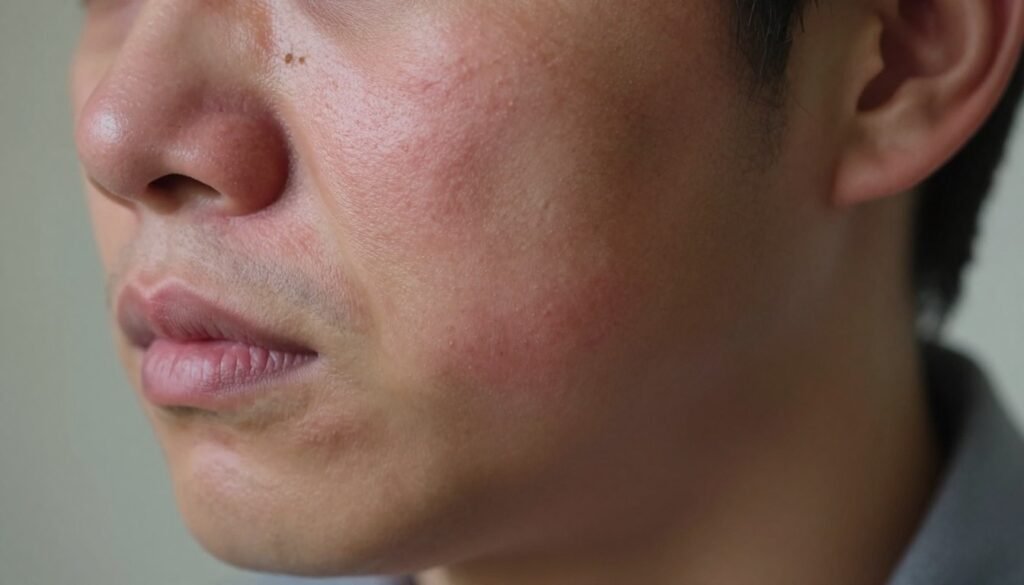
Applying Soothing Ingredients Like Ceramides and Panthenol
After cleaning your skin, focus on restoring moisture. Ingredients that mimic the skin’s natural structure are great for soothing irritation.
Look for products with these ingredients to help your skin heal faster:
- Ceramides: These lipids lock in moisture and repair the barrier.
- Panthenol (Vitamin B5): It soothes inflammation and promotes healing.
- Colloidal Oatmeal: Great for calming itchy or inflamed areas.
- Allantoin: A gentle ingredient that protects and softens the skin.
Simplifying Your Routine to a Minimalist Approach
When your skin is reacting, less is more. Stop using active ingredients like retinoids and AHAs to avoid more burning.
Stick to a simple routine with hydration and protection. Use a mild cleanser, a simple moisturizer, and a mineral-based sunscreen. This lets your skin recover naturally.
When to See a Dermatologist for Persistent Irritation
If your skin doesn’t get better, even when you try hard, it’s time to see a specialist. Some minor issues might fix themselves, but skincare irritation that lasts could mean there’s something deeper going on. Getting help from a pro means you’ll get the right diagnosis and treatment.
Recognizing Signs of Infection or Severe Inflammation
Watch your skin for signs that are more than just sensitivity. Look out for yellow crusting, oozing, or feeling very hot. These could mean you have an infection. Also, if a skincare rash spreads fast or swells a lot, see a doctor right away.
Don’t ignore signs that bother you or don’t get better with gentle care. Seeing a dermatologist early can stop more harm and help your skin heal faster. It’s always better to be safe than sorry.
Professional Patch Testing for Allergens
Dermatologists have special tools to find out what’s causing your skin issues. They use patch testing to check your skin against many common allergens safely. This is much better than trying to guess which product is causing the problem.
Once they find the allergen, your doctor will tell you which products to avoid. This targeted approach saves you time and money. It’s the best way to deal with a stubborn skincare rash.
Seeking Medical Advice for Chronic Skin Conditions
What looks like a reaction to a new product might actually be a chronic condition. Conditions like rosacea, eczema, or psoriasis can look like skincare irritation. They need special treatments that you can’t get from over-the-counter products.
A dermatologist can tell if it’s just a temporary issue or a long-term problem. They might give you special creams or suggest changes in your lifestyle. Getting expert advice means you’re treating the real problem, not just the symptoms.
Conclusion
Your skin is a shield that keeps your body safe from harm. It’s important to watch how your face reacts to new skincare products. This way, you can keep your skin looking healthy and glowing.
Knowing why your skin might burn or sting after using skincare is key. Even a little tingling can be a warning. Your skin needs products that calm it, not irritate it.
Look for brands like CeraVe or La Roche-Posay for gentle, fragrance-free options. Keeping your skincare routine simple helps you find out what’s causing problems. Focus on keeping your skin hydrated and protected.
Figuring out why your skin reacts to skincare is the first step to feeling better. Being consistent and patient will help you achieve a radiant complexion. Listen to your skin now to keep it healthy for the future.
FAQ
Is it normal to feel a burning sensation on skin after applying a new moisturizer?
No, it’s not normal. A moisturizer should feel soothing, not burn. If your skin burns, it might be a sign of a problem with your skin barrier or an ingredient in the product.
How can I tell the difference between skin sensitivity and a skincare allergic reaction?
Skin sensitivity usually causes quick, temporary stinging or redness. An allergic reaction involves your immune system, leading to long-lasting itching, swelling, or a rash.
What should I do if I experience skin stinging from skincare products?
Rinse the product off with cool water right away. Stop using products with AHAs or retinoids. Use a cream with ceramides to soothe your skin.
Can over-exfoliation cause a skincare burning sensation?
Yes, over-exfoliation can damage your skin barrier. This makes your skin more sensitive and prone to burning when using products.
Why does my skin react poorly to products even if they are labeled “for sensitive skin”?
“Sensitive skin” isn’t a strict term. Products can still have ingredients that irritate your skin, even if they’re labeled for sensitive skin.
Does applying products to damp skin increase the risk of skincare irritation?
Yes, damp skin absorbs products faster. This can cause unexpected stinging, as ingredients like Vitamin C or Retinol penetrate deeper.
When is Why Your Skin Burns or Stings After Applying Skincare a sign of a medical condition?
If you have persistent burning, extreme dryness, or a butterfly-shaped flush, it could be a sign of a condition like Rosacea or Eczema. You should see a dermatologist.