
Choosing the right sun protection can be tough. When you’re in the pharmacy aisle, it’s hard to know if a higher SPF is better. Knowing the difference between SPF 30 vs SPF 50 can help you choose wisely for your skin.
So, what’s the difference between SPF 30 vs SPF 50? Both block harmful rays, but the Skin Cancer Foundation recommends SPF 50 or higher for long days outside. This extra protection gives you peace of mind when you’re out in the sun.
Our SPF guide makes these details easy to understand. We aim to make you confident in your skincare routine. By understanding how these products work, you can protect your skin and keep it healthy all year.
What SPF Really Means for Your Skin
Your skin needs the best protection. But do you really get what those numbers on sunscreen mean? Many people apply lotion every day without knowing the science behind the SPF rating. Learning how these products work can help you choose better for your skin.
How Sunscreen Measures UV Protection
The sunscreen protection factor shows how well a product protects your skin from UV rays. Scientists test it by comparing sunburns on protected and unprotected skin. This ensures you get reliable sun protection no matter the brand.
Remember, this measure only tracks UVB rays. It doesn’t cover all light types. Always look for “broad-spectrum” labels to protect against UVA rays too.
The Role of UVB Rays in Skin Damage
UVB rays cause sunburns and long-term skin damage. They interact with your skin’s outer layers, leading to redness and peeling. Repeated exposure can cause premature aging and skin mutations.
Using a high-quality sunscreen protection factor can help. It absorbs or reflects harmful rays. By focusing on sun protection, you reduce sun damage. Knowing your SPF rating is key to keeping your skin healthy.
SPF 30 vs SPF 50: What’s the Real Difference?
Standing in the sunscreen aisle can be confusing. Many think a higher SPF means double the protection. But, the truth is more complex. Knowing the difference between SPF 30 and SPF 50 is key to protecting your skin.
Comparing Filtration Percentages
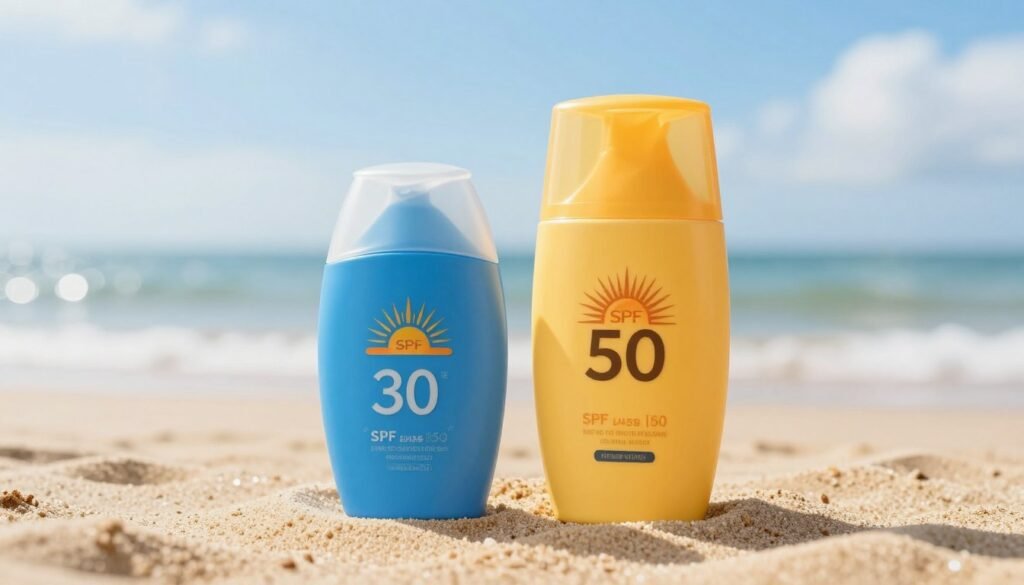
SPF 30 blocks about 97 percent of UVB rays. SPF 50 blocks around 98 percent. This shows a small difference of about one percent.
While more protection sounds good, no sunscreen blocks 100 percent of the sun. Dermatologists say the difference between SPF 30 and 50 is not as big as ads make it out to be.
The Diminishing Returns of Higher SPF Ratings
Higher SPF numbers offer smaller gains in protection. Moving past SPF 30, the extra protection is small for most people.
Applying sunscreen correctly is more important than the SPF number. Higher SPF sunscreens can be thicker and harder to apply. Choose a sunscreen you like to ensure you use it right, whether it’s SPF 30 or 50.
The Science of UV Filtration and Percentage Coverage
Understanding SPF levels starts with knowing how UV coverage works. Sunscreens use chemical or physical filters to block harmful rays. These ingredients absorb or reflect rays before they hit your skin.
How SPF 30 Blocks UVB Radiation
SPF 30 sunscreens block about 97 percent of UVB rays. This is enough for most daily activities if applied right. Consistency in application is key to keeping this protection all day.
The Incremental Benefit of SPF 50
SPF 50 sunscreens block about 98 percent of UVB rays. This is a bit more than SPF 30, but the difference is small in lab tests. A SPF comparison shows SPF 50 offers a bit more safety for sensitive skin.
Why No Sunscreen Provides 100 Percent Protection
No sunscreen can block 100 percent of UVB rays. Even the best products let some rays through. So, don’t just rely on sunscreen for protection.
You need other ways to protect your skin too. Seeking shade and wearing protective clothes are important. Using sunscreen with these methods helps keep your skin safe from the sun.
Debunking Common Myths About High SPF Sunscreens
Many people think a high SPF rating means they’re safe from the sun all day. But this is not true. It can lead to sunburns and skin damage.
The Myth of All-Day Protection
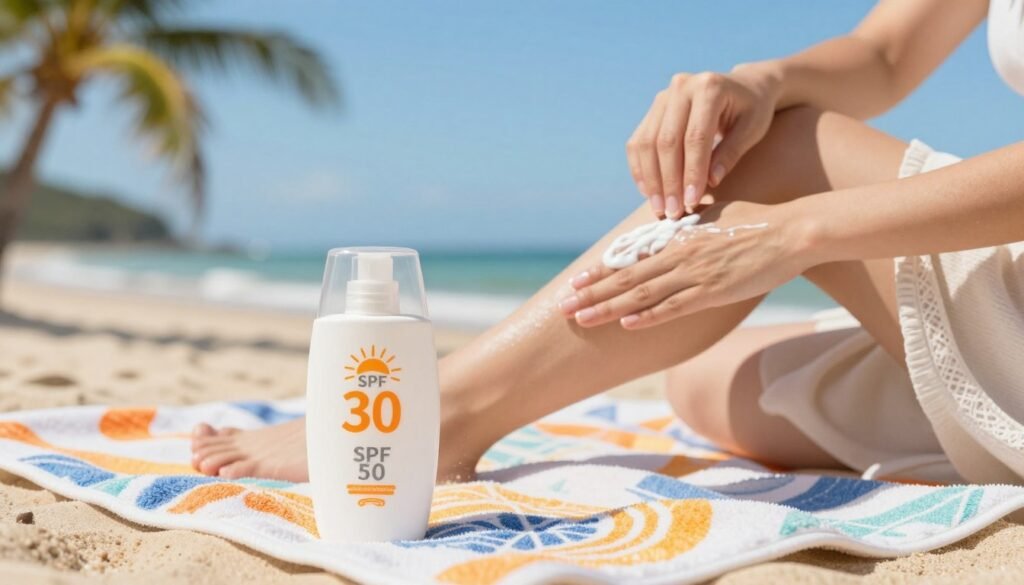
Sunscreen filters out UV rays, not extends your time in the sun. It breaks down from sweat, friction, and the environment. Consistent reapplication is key to staying protected.
Believing one application lasts all day is a mistake. Sun protection is an ongoing task. Knowing about SPF differences helps you stay on top of it.
Does Higher SPF Mean You Can Stay Out Longer
Some think a higher SPF rating means you can stay out longer without reapplying. But no sunscreen lasts all day. Always reapply every two hours, as the maker suggests.
High SPF doesn’t mean you can stay in the sun longer without reapplying. Effective sun safety comes from regular sunscreen application. By understanding these myths, you can protect your skin better and enjoy the outdoors safely.
Factors Influencing Your Choice of Sunscreen
Finding the best SPF for your skin starts with knowing your needs. The American Academy of Dermatology suggests using sunscreen with at least SPF 30. But, your needs might be different based on personal factors.
Skin Type and Sensitivity Considerations
If you have fair or sensitive skin, you might need to apply sunscreen more often. This helps keep UV rays away. People with darker skin should also protect their skin every day to avoid damage.
For those with acne-prone skin, look for products labeled as non-comedogenic. This helps keep pores clear. If your skin is dry, cream-based sunscreens can help with hydration while protecting you from the sun.
Lifestyle and Outdoor Activity Levels
Your daily activities affect how much sun you get. If you love hiking or sports, you need a sunscreen that won’t wash off when you sweat. Durability is key for those spending lots of time outside.
If you mostly stay indoors, a lightweight sunscreen might be better. It’s important to choose a sunscreen based on how much time you spend outside. Consistency is key to protecting your skin.
Environmental Exposure and Geographic Location
Where you live affects how much UV radiation you get. People near the equator or at high altitudes face stronger sun. Geographic location means you might need more protection all year.
Places with reflective surfaces like sand, snow, and water can increase your sun exposure. Always think about your local environment when picking a sunscreen. This ensures you stay protected no matter the climate.
Proper Application Techniques for Maximum Effectiveness
Learning how to apply sunscreen right is key to getting the most out of it. Many people don’t apply enough or miss spots. By sticking to a routine, you make sure your skin gets the protection it needs.
The Importance of the Two-Finger Rule
The two-finger rule is a simple way to figure out how much sunscreen you need for your face and neck. Just squeeze two strips onto your index and middle fingers. This amount is enough to cover your face well.
- Squeeze the product from the base to the tip of both fingers.
- Apply the lotion evenly across your face, ears, and neck.
- Don’t rub it in too hard, as this can reduce its protection.
Reapplication Intervals for Sustained Defense
Sunscreen isn’t something you apply once and forget. To keep your skin protected, you need to reapply every two hours. This is very important if you’re outside a lot.
Also, reapply right after swimming, drying off with a towel, or sweating a lot. Remember these tips to stay safe:
- Reapply after swimming in water.
- Apply more after towel drying your skin.
- Add a fresh layer after heavy sweating or intense physical exercise.
Ensuring Even Coverage on Hard-to-Reach Areas
Adults need about one ounce, or a full shot glass, of sunscreen for their whole body. Many people miss spots like their back, the tops of their feet, or the back of their knees. Skipping these areas can make your skin more vulnerable to UV damage.
Consistency is key when applying sunscreen to your body. Use a mirror or ask someone to help you reach your back. This way, you make sure all your skin is protected.
When to Choose Higher SPF Formulations
Certain life situations and environmental factors require you to upgrade your sun protection strategy. While a standard SPF 30 is often sufficient for daily routines, specific conditions demand a more robust defense. Recognizing these moments is key to maintaining long-term skin health.
High-Altitude and Tropical Environments
When you travel to high-altitude locations, the atmosphere is thinner and filters fewer UV rays. You face significantly higher radiation levels in the mountains than at sea level. In these environments, maximizing SPF effectiveness becomes a critical priority for your safety.
Tropical regions near the equator also present intense UV exposure throughout the year. The sun sits directly overhead, which shortens the path light travels through the atmosphere. You should opt for higher SPF formulations in these areas to compensate for the increased intensity of solar radiation.
Managing Photosensitivity and Skin Conditions
Individuals with specific medical needs often require extra layers of defense against UV damage. If you have a family history of skin cancer or suffer from immune disorders, dermatologists frequently recommend higher-number SPF products. These formulations provide a greater margin of safety for vulnerable skin types.
Some people experience heightened photosensitivity due to medications or underlying health issues. In these cases, relying on higher SPF ratings helps mitigate the risk of severe reactions. Always consult with a healthcare professional to determine if your specific condition necessitates a more aggressive approach to your daily sun protection routine.
Ultimately, choosing the right product is about understanding your unique risk profile. By prioritizing SPF effectiveness during extreme exposure or medical necessity, you ensure your skin remains shielded. Taking these extra precautions provides peace of mind and superior physical defense.
Conclusion
Your journey to better skin health starts with consistent habits, not just a number on a bottle. The best sunscreen is the one you use well and often. This keeps your skin safe all day.
Choosing the right SPF means finding a balance between what feels good and your environment. When sunscreen feels right on your face, you’ll use it every day. This habit protects you from harmful rays.
This guide helps you make smart choices for your skin. You can now ignore fancy labels and focus on what’s best for your skin.
Sunscreen is key to protecting your skin. Use it with hats, sunglasses, and shade when it’s sunny. These steps help keep your skin healthy for years.
Review your sunscreen routine today. Making small changes can greatly improve your skin’s protection over time.
FAQ
Is SPF 50 twice as effective as SPF 30?
No, SPF ratings don’t increase linearly. SPF 30 blocks 97% of UVB rays, while SPF 50 blocks 98%. The difference is only about 1% more protection.
Does a higher SPF rating mean I can stay in the sun longer without reapplying?
No, this is a myth. Sunscreen filters break down over time and can be washed away. Always follow the SPF guide and reapply every two hours, or more if swimming or sweating.
What is the best SPF for skin that is very fair or sensitive?
For fair or sensitive skin, SPF 50 is recommended. It offers a small but important extra layer of protection.
How does the sunscreen protection factor actually work on my skin?
Sunscreen uses filters to absorb or reflect UVB rays. Products like SkinCeuticals Physical Fusion use zinc oxide to deflect rays and protect your skin.
Why is SPF effectiveness often lower in real-world use than in lab tests?
People often apply too little sunscreen. To get full protection, use about one ounce for your entire body. Under-application reduces the actual SPF.
Does my geographic location affect which SPF level I should choose?
Yes, your location affects UV intensity. In high-altitude or tropical areas, higher SPF is needed for extra protection.