
Dark spots can come from past breakouts, sun exposure, irritation, or hormonal changes—and the wrong serum can add dryness without addressing the type of discoloration you actually see. This guide compares targeted formulas so you can choose based on your skin, routine, and tolerance for active ingredients.
You’ll find affordable tranexamic acid and alpha-arbutin serums, post-acne retinol treatments, sensitive-skin vitamin C, and premium multi-active formulas. Selections are based on current Amazon availability, verified manufacturer information, formula features, texture, usability, and meaningful differences between products.
Quick Picks 🔍
| 1 | La Roche-Posay Mela B3 | Best Overall | Melasyl plus 10% niacinamide | Lightweight serum | Check on Amazon |
| 2 | Eucerin Radiant Tone | Best for Sun-Related Spots | Thiamidol and hyaluronic acid | Lightweight, non-sticky | Check on Amazon |
| 3 | Paula’s Choice Clinical | Best for Stubborn Discoloration | 3% TXA, 5% niacinamide, 0.5% bakuchiol | Silky cream-serum | Check on Amazon |
| 4 | CeraVe Resurfacing Retinol | Best for Post-Acne Marks | Encapsulated retinol and ceramides | Fast-absorbing, non-greasy | Check on Amazon |
| 5 | Topicals Faded | Best Multi-Active Formula | TXA, azelaic acid, kojic acid and arbutin | Rich cream-serum | Check on Amazon |
| 6 | Good Molecules Discoloration Serum | Best Budget | 3% cetyl tranexamate mesylate | Lightweight water serum | Check on Amazon |
| 7 | Cetaphil Vitamin C Serum | Best for Sensitive Skin | Vitamin C derivative and niacinamide | Hydrating, fragrance-free | Check on Amazon |
| 8 | The Ordinary Alpha Arbutin | Best Lightweight Formula | 2% purified alpha arbutin | Water-based serum | Check on Amazon |
| 9 | Kiehl’s Clearly Corrective | Best Vitamin C Derivative | Activated C and buffered salicylic acid | Clear, layerable serum | Check on Amazon |
| 10 | Murad Rapid Dark Spot Serum | Best Premium Exfoliating Option | Resorcinol technology, TXA and glycolic acid | Watery gel | Check on Amazon |
How We Chose
We evaluated current product specifications, formula ingredients, skin-type suitability, finish, texture, ease of daily use, value, brand credibility, and the quality of each Amazon listing.
We also prioritized differences that matter to shoppers: whether a serum is fragrance-free, suitable for post-acne marks, made with a retinoid or exfoliating acid, comfortable under other skincare, or intended for more persistent discoloration. These products were not personally tested for this article.
1. La Roche-Posay Mela B3 — Best Overall 🏆
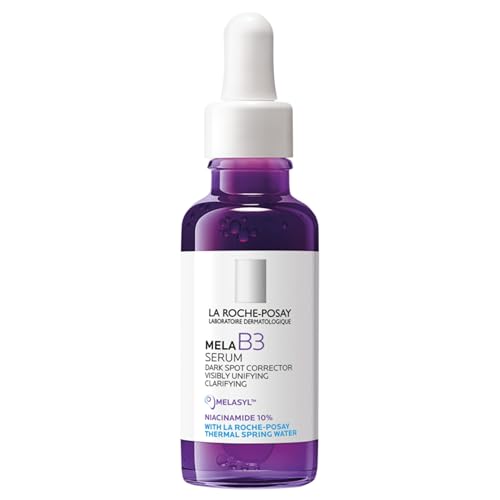
- Targeted Dark Spot Remover for Face: Serum for face that targets a spectrum of skin discoloration, visibly reducing sun …
- Promotes Radiant & Even Skin Tone: This dark spot corrector for face visibly corrects even stubborn dark spots, with lon…
- Breakthrough Patented Ingredient Complex: Formulated with new, multi-patented Melasyl and a potent 10% Niacinamide (Vita…
Why It Stands Out
Mela B3 earns the top position because it balances a targeted dark-spot ingredient with a familiar, multipurpose active. The lightweight serum combines Melasyl—La Roche-Posay’s proprietary ingredient—with 10% niacinamide to address the appearance of sunspots, age-related spots, post-acne marks, and uneven tone.
Unlike the exfoliating Murad and retinol-based CeraVe options, Mela B3 does not depend primarily on accelerated surface-cell turnover. That may make it easier to place in a routine that already contains a retinoid or exfoliant, although the manufacturer recommends separating it from retinol or vitamin C if needed.
It is not fragrance-free, which prevents it from being the automatic winner for reactive skin. Still, its versatile formula, twice-daily usability, and relevance to several kinds of discoloration make it the strongest all-around choice.
Key Features
Designed for age spots, sunspots, post-acne marks, and uneven tone
Lightweight serum texture
Suitable for morning and evening application
Verified 30-milliliter Amazon size
Applied in a three- to four-drop amount before moisturizer
Pros and Cons
✅ Pros
Addresses several visible discoloration concerns
Can be incorporated into either an AM or PM routine
Less exfoliating than the retinol and glycolic-acid options
Niacinamide offers broader tone and skin-barrier support
❌ Cons
Contains fragrance
Costs more than the Good Molecules and The Ordinary options
A 10% niacinamide formula may not suit every reactive complexion
Who Should Choose It?
Choose Mela B3 if you want one versatile serum for a mixture of post-breakout marks, sun-related spots, and general uneven tone. It may suit normal, combination, oily, or moderately dry skin when followed by an appropriate moisturizer.
Who May Want to Skip It?
Fragrance-sensitive or highly reactive shoppers may prefer Cetaphil Vitamin C Serum. For a much less expensive, fragrance-free approach, consider Good Molecules Discoloration Correcting Serum.
Final Verdict
Mela B3 takes first place because it offers a practical balance of targeted discoloration care, everyday usability, and a lightweight finish without relying on aggressive exfoliation.
2. Eucerin Radiant Tone Dual Serum — Best for Sun-Related Spots ☀️
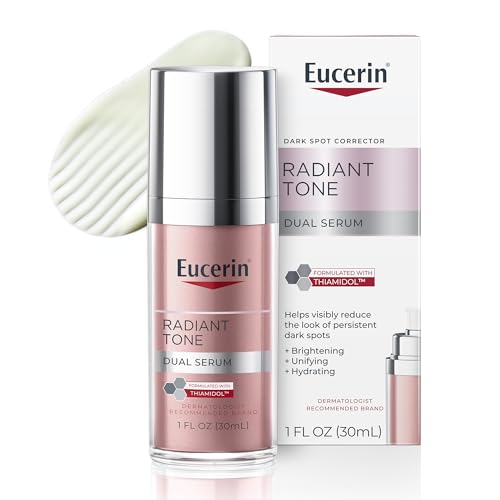
- RADIANT TONE DUAL SERUM: Dark spot corrector for face formulated with Thiamidol to help visibly reduce the look of persi…
- RESULTS IN AS LITTLE AS TWO WEEKS: Skin appears more radiant in as little as two weeks and skin clarity continues to imp…
- YOUNGER LOOKING SKIN: Dark spot serum contains Hyaluronic Acid and helps smooth the look of fine lines and wrinkles
Why It Stands Out
Eucerin Radiant Tone Dual Serum is formulated around Thiamidol, a proprietary ingredient intended to reduce the visible appearance of persistent spots associated with sun exposure, aging, and past imperfections. Hyaluronic acid complements the tone-focused ingredient with hydration and a smoother feel.
Its lightweight, non-sticky texture is easier to use under moisturizer and sunscreen than heavier cream-serums. That is particularly useful for daytime routines, when consistent sun protection is essential.
The formula contains denatured alcohol near the beginning of its ingredient list. This can help create a lighter, faster-drying finish, but shoppers with dry or easily irritated skin should patch-test before full-face application.
Key Features
Contains Eucerin’s Thiamidol
Includes hyaluronic acid
Intended for sun-, age-, and imperfection-related spots
Lightweight, non-sticky texture
Non-comedogenic according to the manufacturer
One-fluid-ounce dual-serum package
Pros and Cons
✅ Pros
Uses a meaningfully different active from most competitors
Hydrating without a heavy finish
Suitable for daytime or evening routines
May suit shoppers targeting sun-related discoloration
❌ Cons
Denatured alcohol appears high in the ingredient list
The dual-chamber container makes remaining product difficult to see
Users of several Radiant Tone products must follow the brand’s cumulative-use directions
Who Should Choose It?
This is a strong choice for visible sunspots, age-related discoloration, or a generally mottled tone. Its non-sticky finish should appeal to shoppers who dislike rich treatment serums.
Who May Want to Skip It?
Very dry or alcohol-sensitive skin may prefer the creamier Paula’s Choice formula. Choose Cetaphil if fragrance-free sensitive-skin positioning is the priority.
Final Verdict
Eucerin ranks highly because Thiamidol differentiates it from the many tranexamic acid and niacinamide serums in this category.
3. Paula’s Choice Clinical Discoloration Repair Serum — Best for Stubborn Discoloration
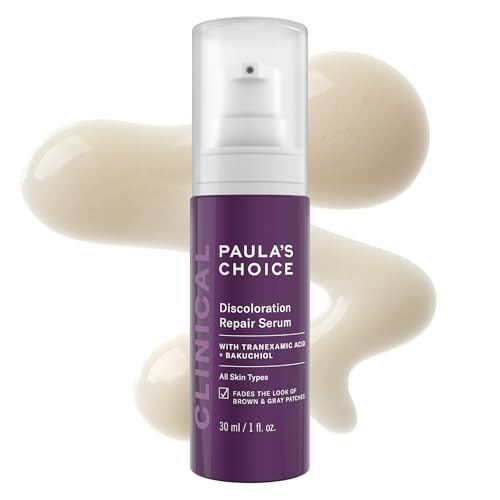
- VISIBLY FADE DARK SPOTS: Take on stubborn brown & gray patches & post-acne discoloration with clinical-strength brighten…
- CUTTING-EDGE INGREDIENTS: 3% tranexamic acid, 5% niacinamide & 0.5% bakuchiol work together with pure tocopherol (vitami…
- IMPROVE MASK-LIKE DISCOLORATION: This non-irritating treatment promotes an even skin tone while brightening & fading the…
Why It Stands Out
This fragrance-free treatment uses three clearly disclosed active concentrations: 3% tranexamic acid, 5% niacinamide, and 0.5% bakuchiol. The combination is designed to address persistent, diffuse discoloration and post-acne marks through more than one pathway.
Its formula is more emollient than the water-based Good Molecules or The Ordinary serums. Glycerin, vitamin E, milk thistle seed oil, and other conditioning ingredients give it a silky cream-serum feel that may be more comfortable on normal-to-dry skin.
Paula’s Choice advises introducing the serum gradually, beginning around three times weekly and increasing to once daily. That makes it less convenient for someone who wants an immediately simple twice-daily routine.
Key Features
3% tranexamic acid
5% niacinamide
0.5% bakuchiol
Fragrance-free formula
One-fluid-ounce container
Manufacturer recommends gradual introduction
Pros and Cons
✅ Pros
Transparent active-ingredient concentrations
Combines brightening and conditioning ingredients
Fragrance-free
Especially relevant to diffuse or stubborn-looking discoloration
❌ Cons
Premium-priced for one ounce
Creamier texture may feel rich on very oily skin
Requires a slower introductory schedule
Who Should Choose It?
Choose this serum if you are willing to invest in a multi-ingredient, fragrance-free treatment for persistent patches or widespread uneven tone. It may be particularly appealing to normal, combination, or dry skin.
Who May Want to Skip It?
Budget-focused shoppers should choose Good Molecules. If you prefer an ultralight water serum with fewer featured actives, The Ordinary Alpha Arbutin is the closer match.
Final Verdict
Paula’s Choice earns its award by combining three disclosed active percentages in a fragrance-free base designed for discoloration that needs more than a basic brightening serum.
4. CeraVe Resurfacing Retinol Serum — Best for Post-Acne Marks
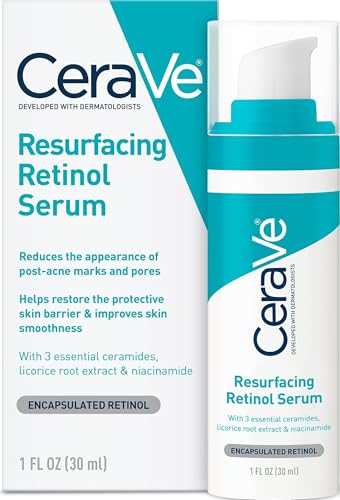
- [ POST ACNE RETINOL SERUM FOR FACE ] With encapsulated retinol, this facial serum helps skin look smoother and more even…
- [ SKIN BARRIER REPAIR ] This retinol face serum smooths skin texture, reduces acne marks, and brightens skin. Reducing t…
- [ BRIGHTENING SERUM ] Formulated with licorice root extract helps to brighten the appearance of skin and niacinamide hel…
Why It Stands Out
CeraVe’s serum is specifically positioned for post-acne skin rather than every possible form of discoloration. Encapsulated retinol supports surface renewal, while licorice root extract, niacinamide, and three essential ceramides round out the formula.
The lightweight, fast-absorbing finish is non-greasy and made without added fragrance. Ceramides and niacinamide make this more barrier-conscious than many basic retinol serums, although dryness and irritation remain possible when introducing any retinoid.
It also addresses visible pores and uneven texture, giving it an advantage when flat post-breakout marks occur alongside roughness. It will not fill depressed or raised acne scars, which require different treatment.
Key Features
Encapsulated retinol
Niacinamide and licorice root extract
Three essential ceramides
Fast-absorbing, non-greasy texture
No added fragrance
Intended for evening use
Pros and Cons
✅ Pros
Designed specifically for post-acne marks
Addresses texture and the appearance of pores
Includes barrier-supporting ceramides
Non-comedogenic and fragrance-free
❌ Cons
Retinol can cause dryness, peeling, or irritation
Not intended for use during pregnancy
Best introduced slowly rather than combined immediately with other strong actives
Who Should Choose It?
Choose CeraVe if flat post-acne marks, visible pores, and uneven texture are your main concerns. It is a logical nighttime option for retinol beginners who also want ceramides in their formula.
Who May Want to Skip It?
Avoid this retinol serum during pregnancy. Sensitive shoppers who cannot tolerate retinoids may prefer Cetaphil Vitamin C Serum or Good Molecules Discoloration Correcting Serum.
Final Verdict
This is the most focused choice for shoppers whose uneven tone is primarily the aftermath of breakouts rather than sun-related patches.
5. Topicals Faded Serum — Best Multi-Active Formula ✨

- TOPICALS IS NOW ON AMAZON: Topicals the premium skin care brand is now available on Amazon! Our team at Topicals is dedi…
- SAFE TREATMENT: Visibly fade stubborn post-blemish marks, scars, dark spots, discoloration & uneven skin tone with derma…
- BRIGHT AND BALANCED: Faded Topicals for dark spots contains clean antioxidants and inflammation reducing ingredients suc…
Why It Stands Out
Topicals Faded packs several discoloration-focused ingredients into a richer cream-serum. Its current ingredient list includes niacinamide, tranexamic acid, alpha arbutin, a kojic acid derivative, azelaic acid, licorice root extract, glutathione, and supporting emollients.
That broad approach differentiates it from single-focus formulas such as The Ordinary Alpha Arbutin. The creamier base includes shea butter, jojoba oil, squalane, and glycerin, which may make it more comfortable for normal-to-dry skin than a thin acid serum.
There are two important tradeoffs. The product has a noticeable sulfur-like odor, and the brand advises against using it in the same routine as other exfoliating acids or retinoids. It should be introduced once weekly and increased gradually.
Key Features
50-milliliter or 1.7-fluid-ounce size
Tranexamic acid, niacinamide, and alpha arbutin
Azelaic acid and kojic acid dipalmitate
Rich gel-cream or cream-serum texture
Can be applied all over or to targeted areas
Manufacturer advises gradual introduction
Pros and Cons
✅ Pros
Broad multi-ingredient approach
Larger than the typical one-ounce serum
More cushioning than thin, water-based formulas
Designed for different skin tones and several discoloration patterns
❌ Cons
Distinct sulfur-like smell
May be too rich for very oily skin
Complicates routines that already use retinol or exfoliating acids
Who Should Choose It?
Faded may suit shoppers who want several brightening ingredients in one product and prefer a richer treatment texture. It is also a practical option if you want to avoid purchasing separate tranexamic acid, arbutin, and azelaic acid serums.
Who May Want to Skip It?
Choose The Ordinary if you want something much simpler and lighter. Murad may suit shoppers who specifically want exfoliating glycolic acid rather than a rich multi-active cream.
Final Verdict
Topicals earns the multi-active award by combining an unusually broad ingredient lineup in one targeted treatment, provided you can accept its odor and richer texture.
6. Good Molecules Discoloration Correcting Serum — Best Budget 💸
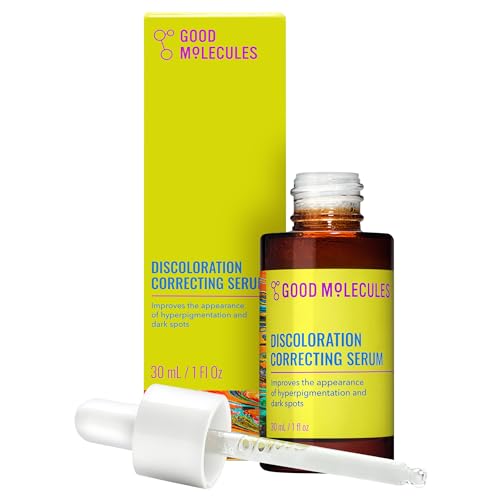
- FADE THE LOOK OF DARK SPOTS: Discoloration correcting serum that visibly improves the appearance of dark spots and surfa…
- TRANEXAMIC ACID + NIACINAMIDE: Cetyl tranexamate mesylate, a stabilized tranexamic acid derivative, works with niacinami…
- VISIBLY EVEN TONE: Helps dark spots look lighter and skin tone appear more even with continued use.
Why It Stands Out
Good Molecules offers one of the clearest value propositions in the roundup. Its lightweight, fragrance-free serum combines 3% cetyl tranexamate mesylate—a tranexamic acid derivative—with 4% niacinamide.
The formula is intended for dark spots, sunspots, post-acne marks, and uneven tone. It can be applied morning and evening before oils and moisturizers, making it easier to use than products requiring a once-weekly introduction.
Its shorter featured-active list is less ambitious than Topicals Faded or Paula’s Choice. For many shoppers, however, that simplicity is an advantage: it offers a focused routine step without retinol, fragrance, or exfoliating glycolic acid.
Key Features
3% cetyl tranexamate mesylate
4% niacinamide
Lightweight texture
Fragrance-free
Suitable for morning and evening use
One-fluid-ounce Amazon listing
Pros and Cons
✅ Pros
Strong value for a one-ounce serum
Disclosed active concentrations
Fragrance-free and lightweight
Simple to layer with moisturizer and sunscreen
❌ Cons
Less comprehensive than premium multi-active formulas
May feel slightly tacky if too much is applied
Amazon carries multiple listings, so the seller and ASIN require checking
Who Should Choose It?
Choose Good Molecules if you want an affordable, straightforward serum for post-breakout marks or general uneven tone. It may suit beginners who are not ready for retinol or an exfoliating acid.
Who May Want to Skip It?
If persistent patches have not responded to a simpler routine, consider Paula’s Choice. For a product aimed specifically at post-acne texture as well as marks, choose CeraVe.
Final Verdict
This is the strongest budget buy because its verified concentrations and fragrance-free formula provide a focused approach without requiring a premium investment.
7. Cetaphil Vitamin C Serum — Best for Sensitive Skin 🛡️

- CETAPHIL VITAMIN C SERUM: Hydrates the skin for 24 hours and helps maintain the skin’s moisture barrier while boosting l…
- DELIVERS 7 BENEFITS IN 1: This powerful serum hydrates, provides antioxidant protection, visibly evens tone and texture,…
- GENTLE ENOUGH FOR EVEN THE MOST SENSITIVE SKIN: The lightweight formula is hypoallergenic, fragrance free, paraben free …
Why It Stands Out
Cetaphil’s current Vitamin C Serum combines a stable vitamin C derivative, niacinamide, glycerin, hydrolyzed hyaluronic acid, vitamin E, and sunflower seed oil. The manufacturer positions it for all skin types, including sensitive skin.
The fragrance-free, hypoallergenic, and non-comedogenic formula is designed to support radiance while maintaining hydration. That makes it meaningfully different from Murad’s alcohol-, fragrance-, and glycolic-acid-containing serum.
Although it is gentler on paper, sensitive skin can still react to vitamin C or niacinamide. A patch test is sensible, particularly if your barrier is already irritated.
Key Features
Contains 3-O-ethyl ascorbic acid
Includes niacinamide and glycerin
Hydrolyzed hyaluronic acid and sunflower seed oil
Fragrance-free and hypoallergenic
Non-comedogenic
One-fluid-ounce size
Pros and Cons
✅ Pros
Developed with sensitive skin in mind
Combines brightening and hydrating ingredients
Fragrance-free
Suitable for daily morning or evening use
❌ Cons
Vitamin C concentration is not disclosed
May be too emollient for shoppers who want an ultrathin serum
Sensitive-skin labeling does not eliminate the possibility of irritation
Who Should Choose It?
This is the best starting point for dry, sensitive, or easily irritated skin that still wants a daily brightening serum. It may also suit shoppers who want antioxidant benefits without glycolic acid or retinol.
Who May Want to Skip It?
Those wanting a disclosed 2% alpha-arbutin concentration may prefer The Ordinary. For a more intensive multi-active treatment, consider Paula’s Choice or Topicals.
Final Verdict
Cetaphil earns the sensitive-skin award with its fragrance-free, hydrating formula and gentler vitamin C derivative.
8. The Ordinary Alpha Arbutin 2% + HA — Best Lightweight Formula 🫥
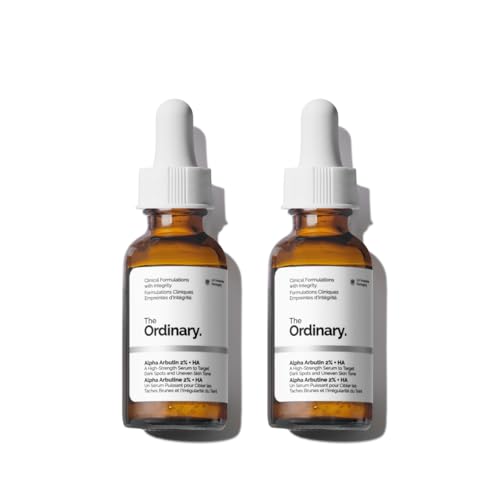
- BRIGHTENS & TARGETS UNEVEN SKIN TONE: Alpha Arbutin 2% + HA brightens skin and reduces the appearance of dark spots, pro…
- HIGH-STRENGTH FORMULA: Contains 2% purified Alpha Arbutin, a well-known skin-brightening ingredient, combined with hyalu…
- BOOSTS RADIANCE & HYDRATION: Improves skin radiance and provides instant and long-term hydration, leaving skin looking b…
Why It Stands Out
The Ordinary offers a focused, water-based formula containing 2% purified alpha arbutin and hyaluronic acid. It is intended to address the visible appearance of dark spots and uneven tone while supporting hydration and product absorption.
This serum avoids the rich oils and butters found in Topicals Faded, making it more appealing to oily and combination skin or anyone who layers several products. It can be used morning and evening before creams.
Its greatest strength—simplicity—is also its limitation. Shoppers expecting the multi-pathway approach of Paula’s Choice or Topicals will find a shorter, more narrowly focused formula here.
Key Features
2% purified alpha arbutin
Hyaluronic acid
Water-based formula
One-fluid-ounce size
Suitable for morning and evening
Designed to layer before creams
Pros and Cons
✅ Pros
Lightweight and easy to layer
Disclosed alpha-arbutin concentration
More affordable than premium dark-spot serums
Useful for routines already containing other carefully selected actives
❌ Cons
Narrower ingredient strategy
Can pill or feel tacky when overapplied
Counterfeit concerns make seller verification particularly important
Who Should Choose It?
Choose this if you have oily or combination skin and want a simple, lightweight dark-spot serum. It is also useful for shoppers who prefer one primary active instead of a long multi-active formula.
Who May Want to Skip It?
Dry skin may prefer Paula’s Choice or Cetaphil. Shoppers who want retinol for post-acne texture should choose CeraVe instead.
Final Verdict
The Ordinary is the lightest, most focused alpha-arbutin option in the lineup and a good fit for streamlined or oil-conscious routines.
9. Kiehl’s Clearly Corrective Dark Spot Serum — Best Vitamin C Derivative
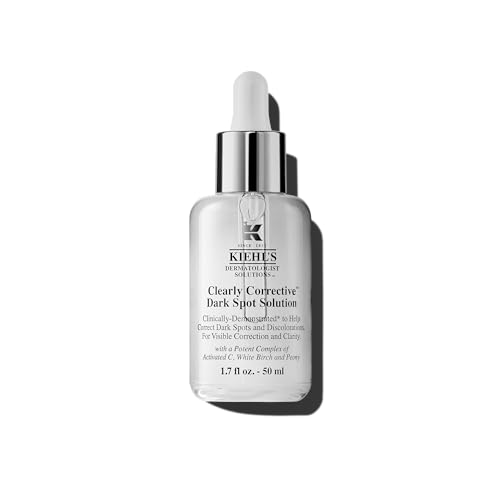
- DARK SPOT SERUM: Our #1 facial serum helps to visibly boost radiance and improve skin clarity, while reducing the number…
- CLINICAL RESULTS: Based on expert grading in a clinical study after 12 weeks of product use, 97% showed reduced dark spo…
- SOFTENS & PLUMPS SKIN: Based on expert grading in a clinical study after 2 weeks of product use, 96% showed softer skin….
Why It Stands Out
Kiehl’s Clearly Corrective pairs Activated C, a stabilized vitamin C derivative, with buffered salicylic acid and Proxylane. The formula is intended to improve the visible appearance of dark spots, post-acne marks, uneven tone, and dullness.
Buffered salicylic acid provides gentle surface exfoliation, differentiating it from Cetaphil’s more hydration-focused vitamin C serum. Kiehl’s also says the product may be used as a spot treatment or across the face, neck, chest, and hands.
The 1.7-ounce Amazon option provides more product than most serums here, but it still represents a significant upfront investment. Shoppers who only want to test the formula may prefer a smaller authorized-retailer size.
Key Features
Activated C vitamin C derivative
Buffered salicylic acid
Proxylane
May be used morning and evening
Suitable as a spot or all-over treatment
Selected Amazon listing contains 1.7 fluid ounces
Pros and Cons
✅ Pros
Combines brightening with gentle surface exfoliation
Can be used beyond the face
Available in several sizes through the brand
Larger Amazon size may suit consistent users
❌ Cons
High upfront cost
Salicylic acid may not suit an already over-exfoliated routine
Many similar-looking third-party listings require careful seller checking
Who Should Choose It?
Choose Kiehl’s if you want a premium vitamin C derivative serum with mild exfoliating support. It may suit dull, uneven skin with a mixture of facial and neck or chest discoloration.
Who May Want to Skip It?
Sensitive shoppers seeking a fragrance-free, non-exfoliating vitamin C formula should choose Cetaphil. Budget-conscious readers may prefer Good Molecules.
Final Verdict
Clearly Corrective earns its place by combining a stable vitamin C derivative with buffered salicylic acid in a versatile face-and-body-area treatment.
10. Murad Rapid Dark Spot Correcting Serum — Best Premium Exfoliating Option
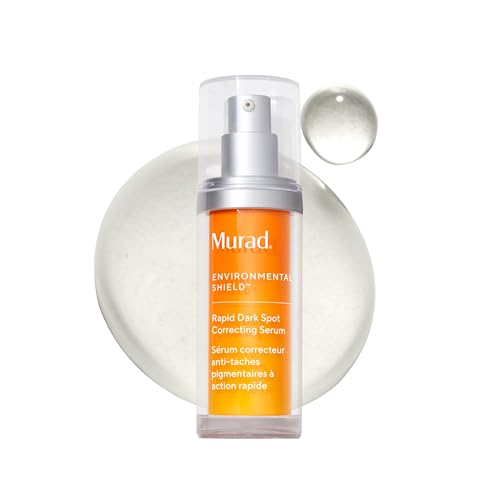
- DARK SPOT SERUM: This serum for face and neck not only effectively removes existing dark spots but also features a brigh…
- BRIGHTENS & REJUVENATES: This targeted soothing facial serum exfoliates dull skin and promotes surface cell turnover, le…
- DAILY SPOT TREATMENT FOR FACE: This dark spot remover suits Balanced, Dry, Oily, and Combination skin types. The skin-br…
Why It Stands Out
Murad combines patented resorcinol technology, tranexamic acid, glycolic acid, and hexapeptide-2 in a lightweight, watery gel. Glycolic acid removes dull surface cells, making this the most overtly exfoliating premium serum in the roundup.
It may appeal to experienced active users dealing with visible discoloration and rough or dull texture. The quick-drying texture is lighter than Topicals Faded and Paula’s Choice.
However, alcohol appears near the beginning of the ingredient list, and the formula contains fragrance, citrus oils, and fragrance allergens. That makes it a poor first choice for highly sensitive or barrier-impaired skin. It should be introduced carefully around retinoids, other acids, and strong vitamin C products.
Key Features
Patented resorcinol technology
Tranexamic and glycolic acids
Hexapeptide-2
Lightweight watery-gel texture
One-fluid-ounce size
Designed for the face, neck, and chest
Pros and Cons
✅ Pros
Combines discoloration care with surface exfoliation
Lightweight, fast-absorbing feel
Targets dull texture as well as uneven tone
Distinct formula for experienced active users
❌ Cons
Contains alcohol, fragrance, and fragrant citrus components
Premium price
Higher irritation potential than the fragrance-free options
Who Should Choose It?
Murad may suit experienced skincare users with balanced, combination, or oily skin who want exfoliation and dark-spot care in the same step. Consistent sunscreen and a conservative layering routine are important.
Who May Want to Skip It?
Sensitive, very dry, fragrance-reactive, or over-exfoliated skin should consider Cetaphil or Good Molecules. CeraVe is the more appropriate choice if post-acne marks and retinol are the main priorities.
Final Verdict
Murad is the premium pick for shoppers deliberately seeking glycolic-acid exfoliation, but its fragrance and alcohol content make careful skin-type matching essential.
Product Comparison
| Product | Best for | Formula type | Important feature | Finish | Suitable skin type | Main drawback |
|---|---|---|---|---|---|---|
| La Roche-Posay Mela B3 | Overall use | Niacinamide treatment | Melasyl + 10% niacinamide | Lightweight | Most types | Fragrance |
| Eucerin Radiant Tone | Sun-related spots | Dual treatment serum | Thiamidol + HA | Non-sticky | Most types | Denatured alcohol |
| Paula’s Choice Clinical | Stubborn patches | Cream-serum | 3% TXA + 5% niacinamide | Silky | Normal, dry, combination | Premium cost |
| CeraVe Retinol | Post-acne marks | Retinol serum | Retinol + ceramides | Non-greasy | Post-acne skin | Retinol irritation |
| Topicals Faded | Multi-active care | Rich cream-serum | TXA, arbutin, azelaic and kojic acids | Rich | Normal to dry | Strong odor |
| Good Molecules | Budget routines | Water serum | 3% TXA derivative | Lightweight | Most types | Simpler formula |
| Cetaphil Vitamin C | Sensitive skin | Hydrating serum | Vitamin C derivative + niacinamide | Soft, hydrated | Sensitive, dry | Undisclosed vitamin C percentage |
| The Ordinary Arbutin | Oily skin | Water serum | 2% alpha arbutin | Light | Oily, combination | May pill |
| Kiehl’s Clearly Corrective | Vitamin C users | Brightening serum | Activated C + buffered salicylic acid | Clear, layerable | Most types | Expensive |
| Murad Rapid Dark Spot | Exfoliating care | Watery gel | Resorcinol + TXA + glycolic acid | Fast-drying | Experienced active users | Fragrance and alcohol |
How to Choose the Right Dark Spot Serum 💡
Match the serum to the type of mark
A flat brown, gray, or reddish mark left after a breakout is different from a depressed or raised acne scar. Serums may improve the appearance of flat discoloration, but they will not rebuild indented scars or flatten raised scars.
Post-acne marks with rough texture may respond better to a carefully introduced retinol such as CeraVe. Sun-related spots may suit Eucerin’s Thiamidol formula, while broad or persistent-looking discoloration may call for a multi-active serum—and sometimes professional evaluation.
Understand the main ingredients
Niacinamide: Often used to support a more even-looking tone and skin barrier. It appears in Mela B3, Paula’s Choice, Good Molecules, Topicals, CeraVe, and Cetaphil.
Tranexamic acid: Featured in several formulas for visible discoloration. Paula’s Choice discloses 3%, while Good Molecules uses a 3% derivative.
Alpha arbutin: A focused brightening ingredient. The Ordinary discloses a 2% concentration.
Vitamin C derivatives: Good for shoppers who also want antioxidant and radiance support. Cetaphil is the gentler choice; Kiehl’s adds exfoliation.
Retinol: Useful when post-acne marks occur alongside visible pores and rough texture. It should be introduced slowly.
Exfoliating acids: Glycolic and salicylic acids can improve dull surface texture, but excessive exfoliation can cause irritation—and irritation may worsen discoloration.
Consider your skin type and preferred texture
Oily skin will usually find The Ordinary, Good Molecules, Eucerin, or Murad easier to layer. Dry skin may prefer the creamier Paula’s Choice or Topicals formulas, while Cetaphil offers hydration without the same rich cream texture.
A lighter serum is not necessarily less effective, but it may be easier to use consistently beneath moisturizer, makeup, and sunscreen.
Take sensitivity seriously
Fragrance-free does not mean irritation-proof, and “suitable for sensitive skin” is not a guarantee. Patch-test new serums, introduce one treatment at a time, and reduce frequency if you experience persistent burning, peeling, or redness.
Cetaphil is the most sensitivity-focused choice. Good Molecules, Paula’s Choice, CeraVe, and Naturium’s researched formula are also fragrance-free, although each contains active ingredients that can still cause reactions. Mela B3, Murad, and Topicals have noticeable scents or odor considerations.
Avoid an overly complicated active routine
Using retinol, glycolic acid, salicylic acid, vitamin C, and a multi-active dark-spot serum simultaneously can make it difficult to determine what is helping—or causing irritation.
A simple starting routine is:
Gentle cleanser
One dark-spot serum
Moisturizer
Broad-spectrum sunscreen in the morning
Add other active products only after your skin has adjusted.
Make sunscreen non-negotiable
Dark-spot care begins with sun protection. Apply a broad-spectrum sunscreen with SPF 30 or higher every morning and reapply when outdoors, especially after swimming or sweating.
Tinted sunscreen containing iron oxides can be particularly useful for people whose discoloration is worsened by visible light. Without consistent protection, existing spots may darken and new discoloration may continue to appear.
Compare size, packaging, and realistic value
Most facial serums contain one fluid ounce. Topicals and the selected Kiehl’s listing provide 1.7 ounces, but the larger size does not automatically make them better values.
Airless pumps and opaque bottles can help protect sensitive ingredients, although they make it harder to see how much remains. Droppers are easy to control but should not touch the skin.
Which Product Should You Buy? 🛒
Best overall: Choose La Roche-Posay Mela B3 if you want a versatile serum for several kinds of visible discoloration and do not mind fragrance.
Best affordable choice: Choose Good Molecules Discoloration Correcting Serum for a fragrance-free, straightforward formula with disclosed active percentages.
Best premium choice: Choose Paula’s Choice Clinical Discoloration Repair Serum for a fragrance-free blend of tranexamic acid, niacinamide, and bakuchiol. Pick Murad instead only if exfoliation is a specific goal.
Best for post-acne marks: Choose CeraVe Resurfacing Retinol Serum when flat breakout marks occur alongside pores or uneven texture.
Best for sensitive skin: Choose Cetaphil Vitamin C Serum for a fragrance-free, hydrating formula developed with sensitive skin in mind.
Best alternative to the overall winner: If Mela B3’s fragrance or 10% niacinamide does not appeal to you, choose Good Molecules for a lighter budget option or Cetaphil for a more sensitivity-focused formula.
Best for sun-related spots: Choose Eucerin Radiant Tone Dual Serum, provided your skin tolerates denatured alcohol.
Frequently Asked Questions
What ingredient is best for dark spots?
There is no universal winner. Niacinamide, vitamin C, retinoids, glycolic acid, kojic acid, azelaic acid, alpha arbutin, and tranexamic acid are commonly used for visible discoloration. The right choice depends on its cause, your skin type, and the rest of your routine.
How long does a dark spot serum take to work?
Visible improvement commonly requires several weeks of consistent use, while deeper or persistent discoloration can take months. Do not compensate by applying extra product; this can cause irritation and potentially make uneven tone more noticeable.
Can I use two dark spot serums together?
It is usually better to start with one. Combining several multi-active serums can duplicate niacinamide, acids, retinol, or other ingredients. If you add a second treatment, use it at a different time of day or on alternate nights and monitor your skin.
Should I use a dark spot serum in the morning or at night?
Follow the product directions. Many non-retinoid formulas can be used morning or evening. CeraVe Resurfacing Retinol Serum is intended for PM use, while antioxidant formulas such as Cetaphil can fit easily into a morning routine beneath sunscreen.
Can a serum remove acne scars?
A serum may improve the appearance of flat post-acne discoloration, but it will not remove depressed or raised acne scars. Those structural scars may require treatment from a board-certified dermatologist.
Do I need sunscreen while using a dark spot serum?
Yes. Use broad-spectrum SPF 30 or higher daily. Sun exposure can darken existing marks and undermine progress. Reapply approximately every two hours when outdoors and after swimming or sweating.
Which dark spot ingredients should be avoided during pregnancy?
The American Academy of Dermatology advises avoiding retinoids, including over-the-counter retinol, during pregnancy. That excludes CeraVe Resurfacing Retinol Serum. Ask your obstetrician or dermatologist about other active ingredients—particularly exfoliating acids or complex multi-active formulas—before use.
Final Thoughts
La Roche-Posay Mela B3 is the strongest overall choice for shoppers who want one versatile serum for post-acne marks, sun-related spots, and uneven tone. Good Molecules offers the best budget alternative, while CeraVe is more specifically suited to post-acne marks and texture.
If your skin is sensitive, begin with Cetaphil Vitamin C Serum and introduce it gradually. Whichever formula fits your routine, compare the current Amazon listing, container size, and authorized seller before purchasing.