
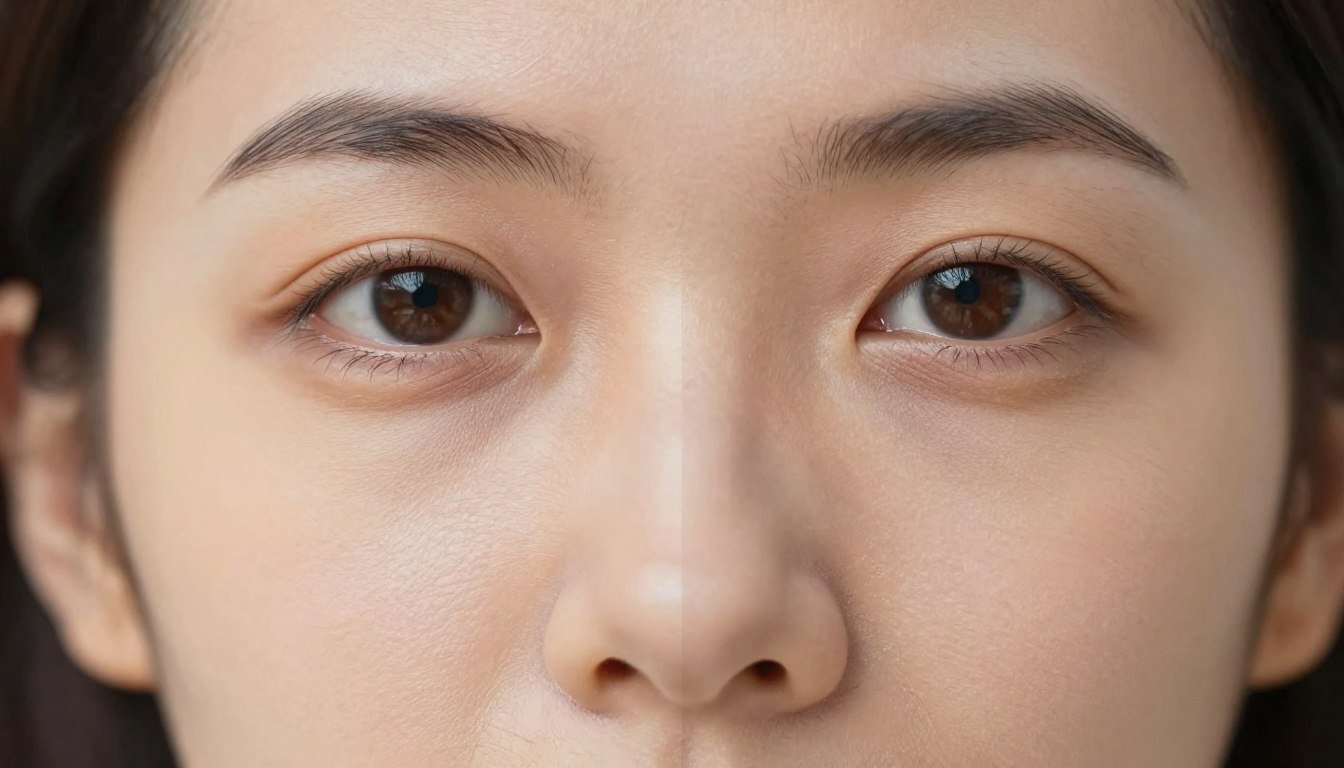
Ever looked in the mirror and seen tiny marks on your face? Many people wonder if these are signs of aging or just skin changes. It’s important to know Fine Lines vs Wrinkles: What’s the Difference? to pick the right skincare.
So, what’s the difference? Fine lines are shallow marks that show up from dehydration or smiling a lot. On the other hand, Wrinkles are deeper folds that happen as your skin loses collagen with age.
Understanding these differences helps you know what to expect from treatments. By knowing your skin, you can choose the right treatments for you. This lets you keep your skin looking healthy and bright for a long time.
How Aging Affects Your Skin
Aging skin is more than what you see. It involves changes deep in your cells. As you get older, your body changes in ways that affect your skin’s look. Knowing these changes helps you choose better skincare.
The Role of Collagen and Elastin
Your skin needs collagen and elastin to look young. Collagen keeps your skin firm and plump. Elastin lets your skin bounce back after smiling or frowning.
As you age, you make less collagen and elastin. This loss weakens your skin. Without it, your skin shows signs of aging more easily.
How Skin Cell Turnover Slows Over Time
When you’re young, your skin regenerates fast. It sheds old cells and brings in new ones. This keeps your skin bright and smooth.
But as you age, this process slows down. Dead skin cells stay longer, making your skin dull and rough. Boosting your skin’s renewal is key to a youthful glow.
Fine Lines vs Wrinkles: What’s the Difference?
It’s key to know the difference between fine lines and wrinkles for your skincare. You might wonder about the small creases and deeper folds on your face. Knowing the difference helps you pick the right products for your skin.
Defining Fine Lines: Surface-Level Changes
Fine lines are the first signs of aging on your skin’s surface. They can be caused by dehydration or facial expressions like smiling. Since they are shallow, they’re easier to manage with a good skincare routine.
For fine lines skincare, focus on keeping your skin hydrated. Using humectants can help plump up your skin and reduce their look. If you’re looking for a fine lines treatment, choose products that help keep your skin barrier strong and hydrated.
Defining Wrinkles: Structural Dermal Changes
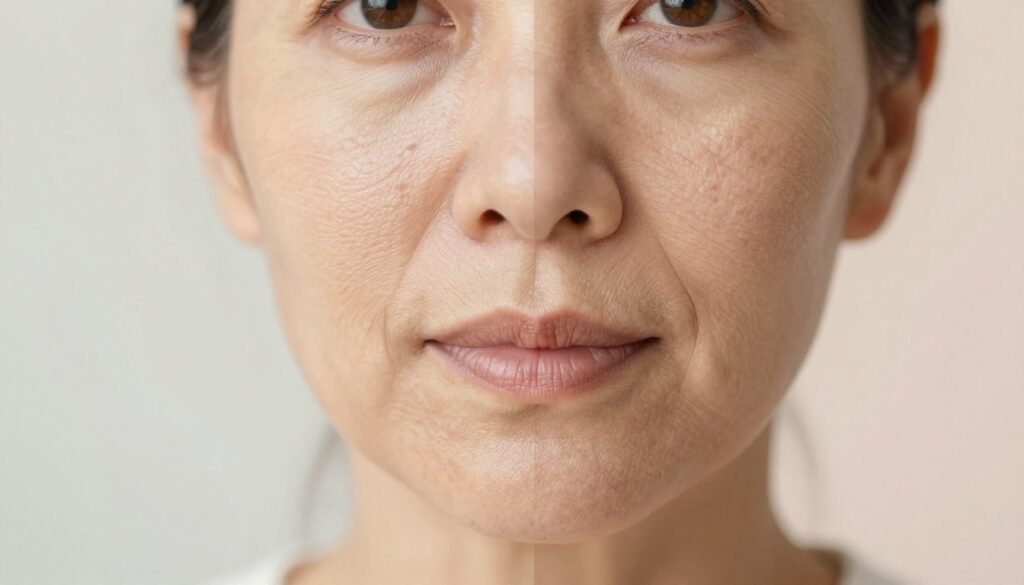
Wrinkles are deeper changes in the dermis, unlike fine lines. They happen when the skin loses collagen and elastin. This makes the skin lose its ability to bounce back, leading to permanent folds.
Wrinkles are like the base of an iceberg, with fine lines being the tip. To tackle them, you need more than just hydration. You might need ingredients that boost cell turnover or professional treatments to support your skin’s structure.
Visual Indicators to Help You Distinguish Between Them
To figure out if you have fine lines or wrinkles, watch how your skin looks and feels. Here are some signs to help you decide:
- Visibility at rest: Fine lines usually disappear when your face is relaxed, but wrinkles stay.
- Depth: Fine lines are shallow and feel smooth, while wrinkles are deeper and have a noticeable “valley.”
- Texture: Fine lines might make your skin look dry or crepey. Wrinkles show a loss of firmness and elasticity.
- Persistence: If a mark stays the same no matter your expression, it’s likely a wrinkle.
Identifying the Causes of Skin Texture Changes
Understanding why your skin texture changes is key to better care. Internal clocks cause some changes, but external factors speed up fine lines. Knowing these stressors helps you control your skin health.
The Impact of UV Exposure and Photoaging
Sunlight causes early skin aging. UV rays damage collagen fibers, weakening your skin’s structure. This is called photoaging.
This damage makes your skin lose its bounce. It leads to fine lines that deepen into wrinkles. To prevent this, block UV rays before they harm your skin.
Facial Expressions and Dynamic Movement
Your face moves a lot, whether laughing or concentrating. These movements create temporary skin folds. Over time, your skin loses elasticity and can’t smooth out.
These movements leave permanent marks on your skin. To prevent this, relax your facial muscles. It’s a simple way to fight wrinkles.
Environmental Factors and Pollution
The air around you also affects your skin. Pollutants and particles cause oxidative stress, damaging your skin. This makes your skin look dull and uneven.
To protect your skin, take these steps:
- Apply a broad-spectrum sunscreen every morning.
- Use antioxidant-rich serums to fight free radicals.
- Cleanse your face well each evening to remove pollutants.
- Keep your skin moisturized to stay resilient.
Effective Skincare Ingredients for Early Signs of Aging
Starting an anti-aging plan means knowing which ingredients work. Choose top-notch anti-aging products to help your skin repair itself. A regular skincare routine is key to keeping your skin looking great.
Retinoids and Their Role in Cell Regeneration
Retinoids are top for fine lines treatment. They speed up cell turnover, getting rid of old skin cells. This reveals smoother skin and boosts collagen for better skin structure.
The Importance of Hyaluronic Acid for Hydration
Keeping your skin hydrated is crucial for a youthful look. Hyaluronic acid pulls moisture into your skin. Adding it to your skincare routine reduces dehydration signs.
Vitamin C and Antioxidant Protection
A strong serum is vital for fine lines skincare. Vitamin C brightens your skin and evens tone. Use it in the morning to shield against daily damage.
Why Antioxidants Neutralize Free Radicals
Free radicals harm your skin and speed up aging. Antioxidants protect by stopping these molecules. Using anti-aging products with antioxidants keeps your skin healthy.
- Retinoids: Speed up cell turnover and increase collagen.
- Hyaluronic Acid: Keeps skin hydrated and plump.
- Vitamin C: Guards against environmental damage.
- Antioxidants: Stop free radicals to prevent early aging.
Focus on these ingredients for a strong fine lines treatment plan. Regular use of quality fine lines skincare leads to noticeable improvements.
Advanced Treatments for Deeper Wrinkles
When creams and serums don’t work, professional treatments can help. These treatments target deep wrinkles and fine lines. They use advanced methods to refresh your look.
Professional Chemical Peels and Resurfacing
Chemical peels use strong acids to remove old skin. This makes new skin grow. They improve skin texture and tone, reducing wrinkles.
Microneedling for Collagen Induction
Microneedling uses tiny needles to make micro-injuries. This boosts collagen and elastin. It firms the skin and reduces wrinkles over time.
Injectables and Dermal Fillers
Dermal fillers add volume to sagging areas. They give a smoother face. Results last for months.
Understanding How Neuromodulators Relax Muscles
Neuromodulators, like Botox, target muscles that cause wrinkles. They block nerve signals. This stops wrinkles from getting deeper and new ones from forming.
- Professional peels provide deep exfoliation for smoother skin.
- Microneedling naturally increases collagen production for firmer texture.
- Dermal fillers restore lost volume to sagging areas.
- Neuromodulators effectively stop the muscle movements that cause expression lines.
Lifestyle Habits to Prevent Premature Aging
Starting with small, daily choices can make a big difference in your skin’s health. Your skincare routine isn’t just about what you put on your skin. It’s also about what you eat and your environment. By focusing on these habits, you can slow down the signs of aging skin.

The Non-Negotiable Need for Daily Sunscreen
Sun protection is key to preventing wrinkles. UV rays damage collagen, causing skin to lose its firmness. Always use a broad-spectrum SPF 30 or higher every morning, no matter the weather.
Hydration and Nutritional Support for Skin Health
Your skin shows what you eat and drink. Drinking enough water keeps your skin firm and healthy. Eating foods rich in antioxidants, like berries and leafy greens, helps fight skin damage.
Sleep Quality and Its Effect on Skin Repair
Quality sleep is when your body repairs itself the most. It boosts blood flow and makes new collagen. Getting seven to nine hours of sleep is crucial for your skincare routine.
Managing Stress to Reduce Cortisol-Related Skin Damage
Stress raises cortisol levels, breaking down skin proteins. This can make aging skin look worse. It’s important to find ways to manage stress for wrinkles prevention.
- Practice daily mindfulness or meditation.
- Engage in regular physical activity to lower tension.
- Establish a calming evening wind-down ritual.
- Prioritize deep breathing exercises during busy work hours.
Conclusion
Knowing the difference between fine lines and deep wrinkles lets you take charge of how you look. You can now spot specific changes in your skin and tackle them effectively.
A regular skin care routine is key to keeping your skin healthy for the long haul. Choosing top-notch products from brands like SkinCeuticals or La Roche-Posay helps your skin stay in great shape.
Getting older is a natural part of life, but you can face it with confidence. Simple actions like using sunscreen and drinking water can make a big difference in your skin’s texture.
When creams and lotions aren’t enough, getting help from a pro can make a big difference. With the right choices, you can keep your skin looking vibrant and healthy at any age. Remember, being consistent and patient is important for taking care of your skin for years to come.
FAQ
What’s the difference? between fine lines and wrinkles when I look in the mirror?
Fine lines are shallow, surface-level creases that often appear around the eyes or mouth. They may disappear when your face is relaxed or well-hydrated. Wrinkles, on the other hand, are deeper, permanent folds that result from a significant loss of collagen and elastin in the dermis; they remain visible even when your facial muscles are completely still.
What is the most effective fine lines treatment for early aging skin?
A consistent skincare routine featuring retinoids is the most effective way to treat fine lines. Products like SkinCeuticals Retinol 0.5 or Neutrogena Rapid Wrinkle Repair stimulate cell turnover and collagen production to smooth out the skin’s surface. Complementing this with Hyaluronic Acid will further plump the skin to reduce the appearance of shallow creases.
Can anti-aging products really help with wrinkles prevention?
Yes, when they include broad-spectrum SPF and antioxidants. Wrinkles prevention starts with protecting your skin from UV damage, which is responsible for the majority of structural breakdown. Using a daily sunscreen like La Roche-Posay Anthelios along with a Vitamin C serum will neutralize free radicals and preserve your skin’s natural support system.
When should I start a dedicated fine lines skincare regimen?
Most dermatologists recommend starting a preventative skincare routine in your mid-20s to early 30s. This is when natural collagen production begins to decline. By introducing anti-aging products early, you can maintain skin elasticity longer and delay the transition of fine lines into deeper wrinkles.
Are professional treatments like Botox necessary for fine lines?
While not strictly necessary, professional treatments can offer more dramatic results than topical skin care alone. Neuromodulators like Botox are excellent for “dynamic” fine lines caused by expression, as they relax the muscle to prevent the skin from creasing. For deeper, “static” wrinkles, dermal fillers like Juvederm may be more appropriate to restore lost volume.
How does hydration impact the appearance of aging skin?
Dehydration can make even minor fine lines look like deep wrinkles. When your skin lacks moisture, it loses its “plumpness,” causing the surface to shrivel and exaggerate creases. Using topical humectants like Hyaluronic Acid and drinking plenty of water ensures your skin cells remain turgid, providing a smoother, more youthful complexion.