
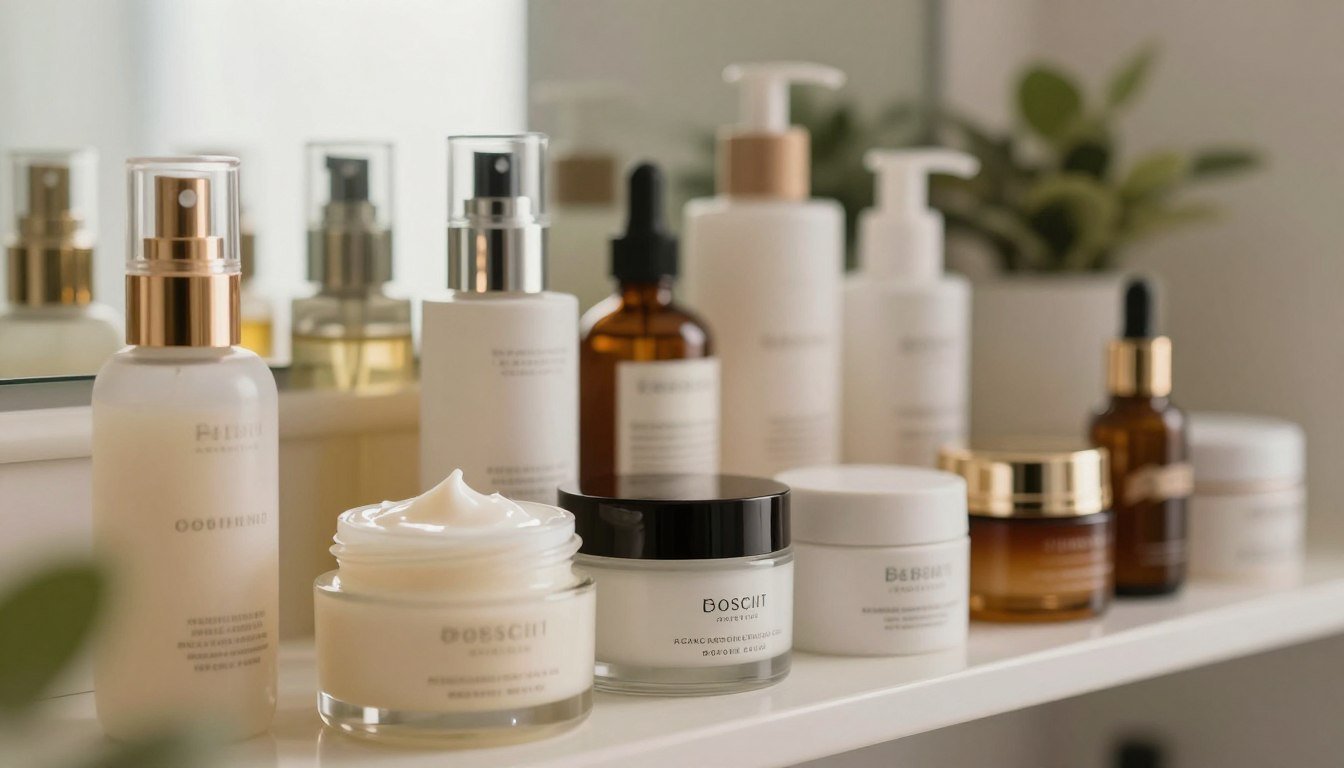
Do you often finish your morning routine only to find a tacky residue lingering across your complexion? Many people struggle with products that refuse to sink in, leaving a film that disrupts the day. Understanding Why Your Moisturizer Feels Sticky or Heavy on Your Face is the first step toward achieving a comfortable, matte finish.
This common frustration usually stems from environmental factors like high humidity or internal triggers such as excess sweat and natural oil production. Sometimes, the issue is simply applying too much product or using a formula that does not match your specific needs. You do not need to discard your entire collection to solve this problem.
By mastering the science of proper application, you can easily fix sticky skincare issues. We will explore how to adjust your technique to ensure every drop absorbs perfectly. With these simple changes, you can enjoy a refreshed look that lasts from morning until night.
Why Your Moisturizer Feels Sticky or Heavy
If your skin feels sticky or heavy, it’s a common problem in skincare absorption. A bit of tackiness right after applying is normal. It happens as the product starts to work with your skin.
But if the feeling lasts too long, it means the product isn’t getting through your skin well. Knowing the difference between a quick reaction and a product that stays on top is key for your skincare routine.
The Science of Product Absorption
Moisturizers aim to hydrate and keep moisture in. They use humectants to pull water into your skin. You might feel a bit sticky as they work to draw moisture from the air or deeper in your skin.
If your skin is dry, it might take a bit longer for these ingredients to settle. Once your skin’s moisture balance is restored, the stickiness should go away. If it doesn’t, your skin might be having trouble with the product’s delivery system.
Distinguishing Between Sticky and Heavy Textures
It’s easy to mix up a sticky feel with a heavy moisturizer texture. Sticky usually means the product has a lot of humectants or dries too fast. Heavy, on the other hand, means it has too many oils or occlusives for your skin.
Notice how your skin looks and feels over the day. If it’s oily or shiny for a long time after applying, the product is probably too rich. Choosing the right product means getting the right amount of nourishment without feeling sticky.
Common Ingredients That Cause a Heavy Feel
If your face feels coated or tacky, it’s probably because of occlusives. These ingredients are good for your skin but can make it feel heavy. Knowing what they are helps you choose better skincare.
The Role of Occlusives in Skincare
Occlusives create a barrier on your skin’s surface. They keep your skin hydrated and plump. But, if they’re too rich, they can feel suffocating.
Understanding Petrolatum and Mineral Oil
Petrolatum and mineral oil are top occlusives. They lock in moisture and soothe dry skin. But, they sit on the skin’s surface, not absorbing fast.
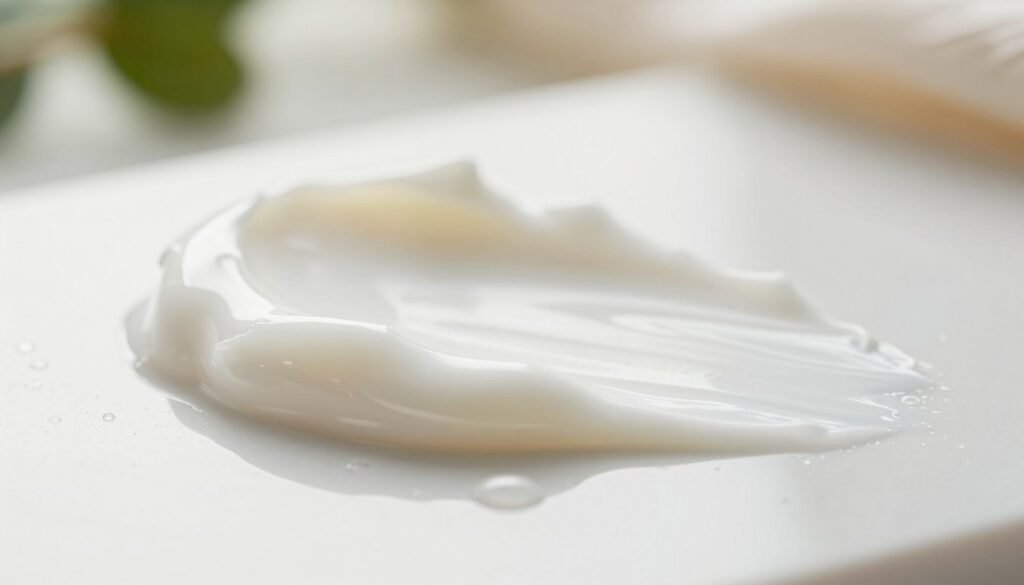
Using products with lots of these ingredients can leave a tacky residue. This is common in heavy night creams. To avoid it, try these tips:
- Apply these products on damp skin for better spread.
- Use less than you think you need.
- Save these heavy formulas for nighttime.
The Impact of Heavy Waxes and Butters
Natural waxes and butters like beeswax and shea butter are great for dry skin. They provide long-lasting protection but can make your skin feel heavy.
When used together, they can make your skin feel waxy or greasy. For a lighter feel, look for products with less of these ingredients. Check the ingredient list to see their amounts.
Silicones and Their Film-Forming Properties
Silicones in skincare make products feel smooth and velvet-like. They help blur fine lines and are great for makeup. But, they can trap other products or sweat, making your skin feel heavy or pilled.
The Role of Your Skin Type and Application Habits
Getting the right balance in your skincare routine starts with knowing your skin type. Your skin can only take so much product before it gets too much. If you ignore this, you might end up with a sticky or heavy feeling on your skin.
Matching Moisturizer Texture to Your Skin Needs
Choosing the right moisturizer texture is key for comfort and effectiveness. If the product is too rich for your skin, it won’t absorb well. Instead, it will leave a heavy, uncomfortable film on your skin.
Oily Skin and the Need for Water-Based Formulas
If you have oily skin, look for a oily skin moisturizer. These are usually water-based, giving your skin moisture without clogging pores. Opting for lightweight gels or lotions helps your skin breathe and stay matte.
Dry Skin and the Misconception of More is Better
On the other hand, those with dry skin might think more is better. But, your skin can only absorb so much product at once. Using too much can make your skin feel sticky instead of nourished.
The Importance of Proper Product Quantity
Using more product doesn’t always mean better results. In fact, a small amount is often enough for your whole face with a high-quality formula. Consistency and proper application are more important than using too much cream.
- Start with a small amount and add more only if your skin feels tight.
- Focus on massaging the product into damp skin to improve absorption.
- Avoid the eye area if you are using a heavy cream to prevent milia.
- Listen to your skin’s texture throughout the day to gauge if you need a lighter touch.
Environmental Factors and Product Layering Mistakes
Even the best products can feel heavy if you ignore your surroundings. Your daily environment and how you apply products affect your skin’s feel. It can either feel refreshed or weighed down.
How Humidity Affects Product Performance
High moisture in the air changes how your products work. When dealing with humidity and skincare, sweat and product residue don’t evaporate well.
This makes a film on your face instead of absorbing. In humid places, your skin can’t breathe under heavy layers. This leads to a sticky, uncomfortable feeling.
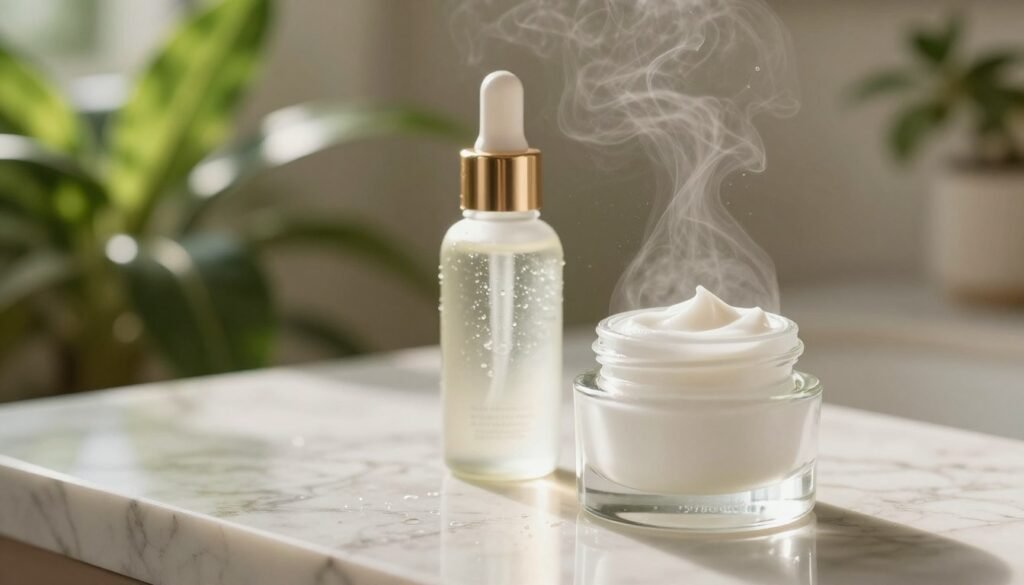
The Order of Operations in Your Skincare Routine
The order of your skincare products is key. Common skincare layering mistakes include applying too many heavy products wrong.
Start with the thinnest products and move to the thickest. This lets your skin absorb each layer well without feeling overwhelmed.
Why Applying Moisturizer to Dry Skin Can Lead to Tackiness
Many apply moisturizer to dry skin. Dry skin lacks the slip for products to glide and absorb well.
Apply cream to slightly damp skin to lock in hydration. This prevents the product from sitting on pores and feeling tacky.
The Impact of Unabsorbed Serums and Toners
Rushing through your routine can leave serums and toners unabsorbed. Layering a thick moisturizer over wet, unabsorbed serum creates a barrier.
Take a few moments to let your skin dry between each step. This patience ensures each layer works together for a lightweight, comfortable finish.
How to Adjust Your Routine for a Lightweight Finish
Getting a lightweight finish is easy with a few tweaks to your daily routine. Focus on how your products interact with your skin. This improves skincare absorption and prevents that sticky feeling. These small changes keep your skin feeling fresh and comfortable all day.
Techniques for Better Product Penetration
Patience is key in your morning skincare routine. Let each layer settle for 30 to 60 seconds before adding the next. This pause prevents buildup and ensures your skin uses the active ingredients.
- Apply your thinnest products first, such as serums or toners.
- Wait for the product to feel slightly tacky before adding the next layer.
- Use gentle tapping motions to help the formula sink into your pores.
- Avoid rubbing your face aggressively, as this can cause pilling.
Switching to Gel-Based or Lightweight Emulsions
Maybe it’s time to switch to a gel-based moisturizer if your cream feels too heavy. These water-based formulas hydrate without leaving a greasy film. They’re great for a breathable finish that still keeps moisture in.
Lightweight emulsions are also good for oily or combination skin. They absorb quickly and leave a soft, matte look. Your skin will feel lighter all day with the right texture.
When to Use Blotting Papers or Facial Mists
Even with the best skincare routine tips, you might get excess residue on humid days. Blotting papers are perfect for removing oil without disturbing your makeup or skincare. Just press the paper against your T-zone to absorb shine.
For a refreshing touch, try a facial mist if your skin feels overwhelmed. A quick spritz can dilute excess residue and cool your skin. These tools are key to keeping your skin clean and comfortable all day.
Conclusion
Getting the right balance for your skin takes time and watching how it reacts. Now, you know why some products might not absorb well.
By following these tips, you can take back control of your skincare. Try switching to lighter products from brands like Neutrogena or La Roche-Posay. You’ll see a big difference right away.
Sticking to a routine is crucial for a healthy, shiny look without feeling sticky. A non sticky skincare routine helps your skin stay healthy and comfortable all day.
Take a close look at your skincare collection and change how you apply things. Your skin will thank you with a fresh, breathable look that lasts all day.
FAQ
Why does my moisturizer leave a tacky residue on my complexion?
Sometimes, a sticky feeling is normal. This is because humectants like hyaluronic acid draw water to your skin. But if it stays sticky, it might mean the product isn’t penetrating the skin right. This could be because of improper application or because it’s too heavy for your skin type.
What ingredients are most likely to cause a heavy or suffocating feel?
A: Occlusives like petrolatum (in Vaseline) and mineral oil sit on the skin to keep moisture in. They’re great for dry skin but can feel heavy if used too much. Also, silicones like dimethicone create a film that can trap other products, making your skin feel greasy.
How does my skin type affect product absorption?
Your skin has a saturation point. If you have oily skin, using thick creams like La Mer Crème de la Mer can leave a persistent film. On the other hand, people with dry skin might use too much, causing buildup instead of hydration.
Should I apply moisturizer to dry or damp skin?
It’s better to apply moisturizer to damp skin. Putting it on dry skin can make it sit on the surface. Applying to slightly moist skin helps the product blend better.
How long should I wait between layering different skincare products?
To ensure product penetration and avoid stickiness, wait 30 to 60 seconds between layers. This lets each product dry before adding the next. It prevents your skin from getting overwhelmed by too many hydrating products.
Can the weather affect how my skincare feels on my face?
Yes, weather like high humidity and rising temperatures can change how products work. In humid weather, your skin might not absorb products as well. You might need to use gel-based moisturizers or lightweight emulsions for a cleaner feel.
What can I do to fix a sticky finish without washing my face?
If your skin feels too coated, try using blotting papers to remove excess oil. Or, use a light facial mist like Evian Facial Spray to re-emulsify and press the product into your skin. Switching to a water-based formula like Neutrogena Hydro Boost Water Gel can also give a weightless finish for future use.