
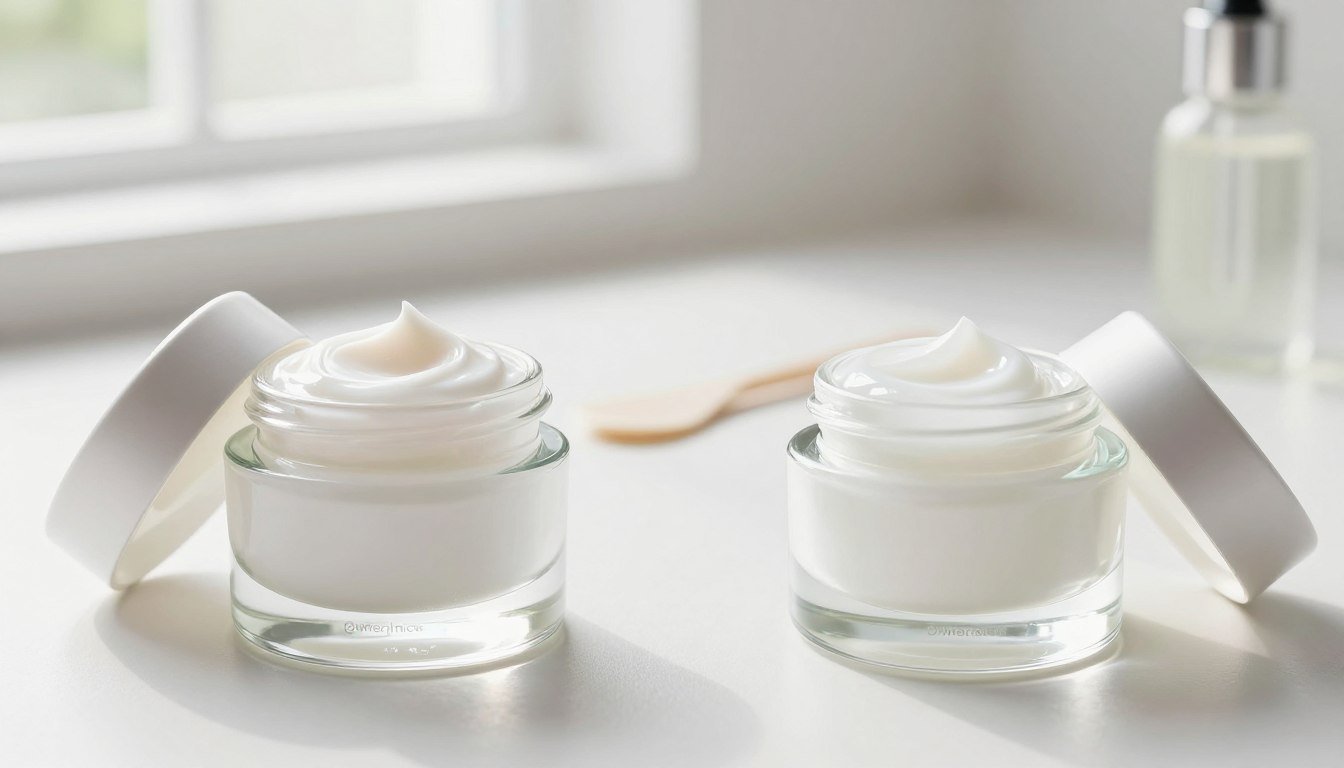
Choosing the right skincare can be tricky. You might find yourself standing in front of shelves, unsure of what to pick.
It’s common to wonder if a lightweight moisturizer or an oil-free moisturizer is better for you. Knowing the difference can help prevent breakouts and keep your skin looking great.
A lightweight moisturizer is all about texture. It’s thin and absorbs fast. On the other hand, an oil-free moisturizer makes sure it doesn’t clog your pores.
Choosing the right one keeps your skin balanced all day. Learning about these differences helps you take better care of your skin and get better results.
Lightweight vs Oil-Free Moisturizer: What’s the Difference?
Skincare labels can be confusing. You might wonder which one is right for you. Most products mix humectants, emollients, and occlusives to keep your skin healthy. These ingredients help draw and keep water in your skin.
Defining Lightweight Moisturizers
Lightweight moisturizers give your skin the hydration it needs without feeling heavy. They have more water, making them great for those who like a light feel. They also dry quickly, so they’re perfect under makeup or sunscreen.
Defining Oil-Free Moisturizers
Oil-free moisturizers don’t have plant or mineral oils. Instead, they use synthetic or water-soluble ingredients for moisture. This makes them a popular choice for individuals with acne-prone or oily skin who don’t want to clog pores.
Why Texture and Formulation Matter for Your Skin
The texture of your skincare product is key. It affects how well it works with your skin. The right texture ensures your skin gets the hydration it needs without feeling too much.
- Absorption speed: Thinner formulas penetrate the surface layers faster.
- Finish: Some textures provide a matte look, while others offer a dewy glow.
- Skin compatibility: Matching the formulation to your skin type prevents breakouts.
- Layering potential: Lighter products sit better under other cosmetic applications.
Knowing the basics helps you choose better for your skin. Whether you prefer a lightweight moisturizer for its light feel or an oil-free one for its non-comedogenic benefits, your skin will appreciate it.
The Role of Ingredients in Your Daily Skincare Routine
Every bottle in your cabinet has a special mix of ingredients for your skin barrier. Knowing what’s in your products is key to a good daily skincare routine. Your skincare routine should balance moisture and protection for a healthy look.
Common Humectants Found in Lightweight Formulas
Humectants pull moisture from the air or deeper in your skin to the surface. They keep your face hydrated and plump. Emollients help soften your skin and seal it for protection.
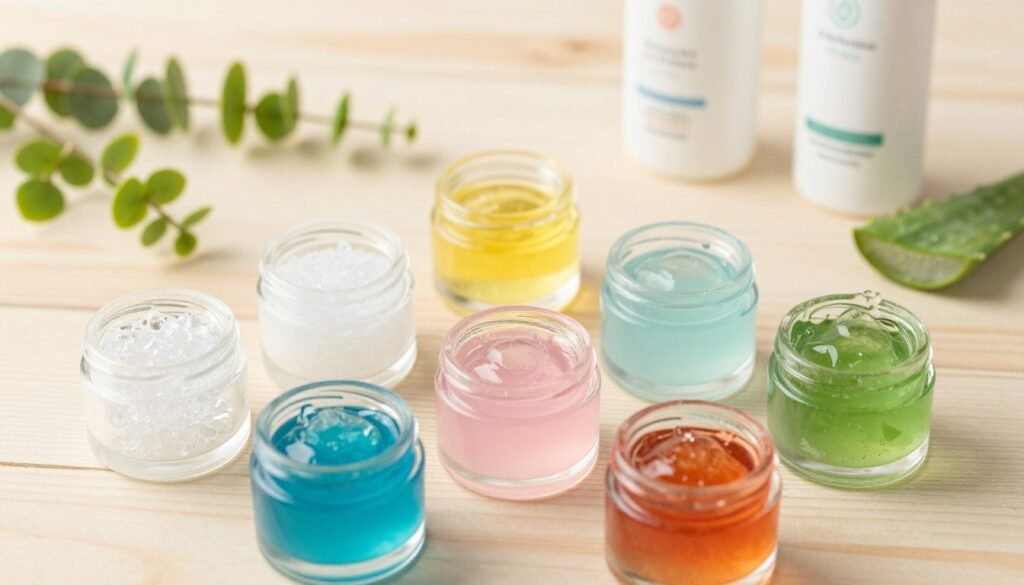
Here are some common humectants in lightweight moisturizers:
- Hyaluronic Acid: Holds a lot of water.
- Glycerin: Keeps moisture in.
- Aloe Vera: Hydrates without feeling heavy.
Identifying Non-Comedogenic Ingredients
Look for non-comedogenic products if you’re worried about pore clogging. These products are less likely to cause breakouts. They help keep your skin clear while still moisturizing.
Check for squalane or dimethicone on the label. These ingredients are safe and won’t clog pores. Choosing them helps keep your skin healthy and open all day.
Ingredients to Avoid if You Have Acne-Prone Skin
Choosing the right products is crucial for acne-prone skin. Heavy oils and waxes can trap bacteria and cause breakouts. Avoid ingredients known to clog pores.
Watch out for these ingredients if you get a lot of breakouts:
- Coconut Oil: Too heavy for pores.
- Isopropyl Myristate: Can irritate sensitive skin.
- Heavy Cocoa Butter: Too occlusive for acne-prone skin.
Avoiding these ingredients helps keep your skin clear. Use lightweight, water-based products to hydrate without irritation.
How to Determine Your Skin Type Needs
Finding out your skin type is key to a healthy face. Knowing how your skin acts helps you pick the right products. This way, you give your skin what it needs to stay healthy and bright.
Assessing Oily and Combination Skin Requirements
If you have oily or combination skin, you might think you don’t need moisturizer. But, not moisturizing can make your skin produce more oil. Using a non-comedogenic moisturizer keeps pores clear and hydrated.
Choose products that control oil but don’t take away moisture. A lightweight moisturizer is great for keeping your face fresh all day. This balance stops your skin from getting too shiny.
Hydration Needs for Sensitive and Dehydrated Skin
Sensitive skin needs gentle care to avoid irritation. When your skin barrier is weak, your skin loses water fast. Look for soothing ingredients that keep moisture in.
Dehydrated skin can happen to any skin type, not just dry skin. Focus on products that fix your skin barrier to stop moisture loss. Gentle, consistent hydration helps your skin recover.
Balancing Moisture for Normal Skin Types
Even normal skin needs to keep moisture balanced to avoid problems. A gel moisturizer is great because it cools and absorbs fast. It’s perfect for daily use to keep your skin smooth.
Choosing a non-comedogenic product prevents clogged pores while keeping your skin moist. A good lightweight moisturizer supports your natural glow without feeling heavy. Remember, sticking to your skincare routine is crucial.
Comparing Performance and Finish on the Skin
The right moisturizer can transform your makeup routine. It’s not just about what’s on the label. You need to see how it works with your skin all day.
Absorption Rates and Layering Under Makeup
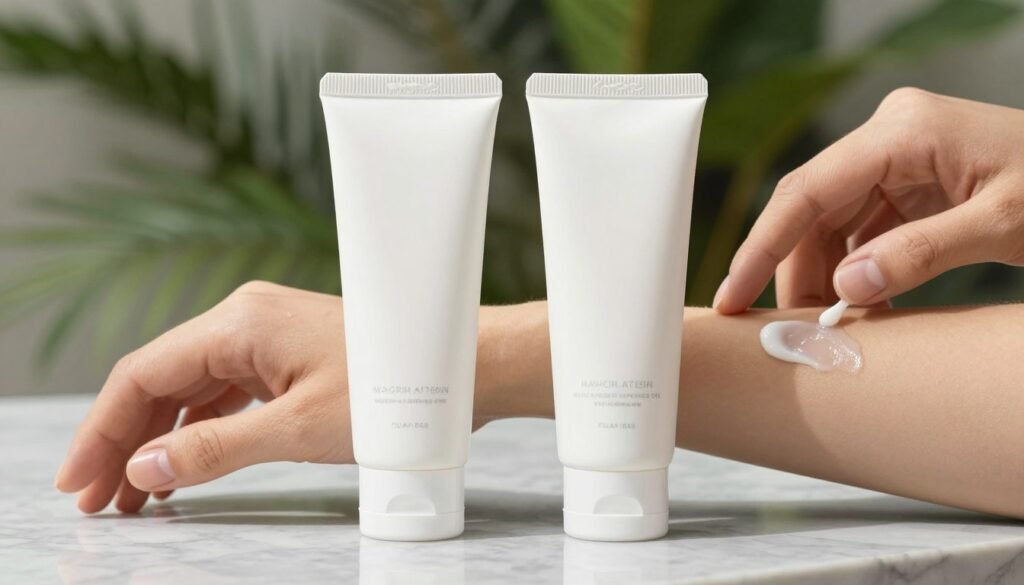
If you wear makeup every day, fast absorption rates are key. Gel moisturizers are great because they quickly blend into your skin.
They help your foundation stay put, avoiding smudges or flakes. A light moisturizer makes your skin smooth and ready for makeup.
The Matte Finish vs The Dewy Glow
Your moisturizer choice affects your skin’s look. For a matte finish, choose oil-free options with silica or powders to control shine.
For a dewy glow, go for moisturizers with emollients. These ingredients give a radiant, healthy look by reflecting light.
Longevity of Hydration Throughout the Day
Keeping your skin hydrated all day is the goal. Look for products with humectants like hyaluronic acid. They pull moisture into your skin, keeping it hydrated.
But, make sure these ingredients are locked in. A balanced formula keeps your skin comfortable and hydrated without feeling heavy.
Common Misconceptions About Oil-Free and Lightweight Products
Understanding skincare labels can be tricky, with myths making it harder. Many people avoid certain products based on old advice. Knowing the truth helps you choose better for your skin.
Debunking the Myth That Oil-Free Means No Moisture
Many think oil-free moisturizers can’t hydrate the face. But, they use glycerin or hyaluronic acid to lock in moisture. This is great for acne-prone skin as it avoids pore clogging.
These products balance the skin without causing breakouts. You get a healthy, hydrated look without clogged pores. It’s perfect for combination skin needing targeted hydration.
Can Lightweight Moisturizers Provide Deep Hydration?
Some think thick products are more effective. But, a good gel moisturizer hydrates deeply with fast absorption rates. It leaves your skin feeling comfortable, not greasy.
Lightweight options can give you a matte finish or a dewy glow. They keep your skin barrier strong without heavy texture.
Navigating Marketing Terms Like Non-Greasy and Breathable
Marketing terms can confuse. Non-greasy means the product dries down fast without a film. This is good for sensitive skin that doesn’t like heavy ingredients.
Breathable means the product doesn’t block pores. Choosing an oil-free moisturizer labeled as breathable is smart. It keeps your sensitive skin calm and hydrated.
Conclusion
Your journey to a healthier complexion begins with knowing your unique needs. Choosing the right moisturizer can make your face go from dull to vibrant. This happens when you focus on your specific skin type.
A consistent daily skincare routine is key to long-term health. Brands like CeraVe or Neutrogena have many options for different skin textures and hydration levels. By picking products that fit your natural balance, you control how you look.
Keeping your skin barrier protected is the most important step in any skincare routine. Proper hydration stops irritation and keeps your face looking fresh all day. You have the power to make choices that lead to lasting results.
Take time to see how your face reacts to different formulas. Soon, you’ll find the perfect match for your lifestyle. Enjoy the journey of improving your habits to show off a radiant, healthy glow every morning.
FAQ
What is the primary difference between a lightweight moisturizer and an oil-free moisturizer?
A lightweight moisturizer is thin and absorbs quickly, like a gel moisturizer. An oil-free moisturizer, like Neutrogena Hydro Boost, doesn’t have oils. It’s key to check labels for non-comedogenic ingredients if you have acne-prone skin.
How do humectants, emollients, and occlusives support your skin barrier?
Humectants, like Hyaluronic Acid in CeraVe, draw water into your skin. Emollients make your skin soft. Occlusives seal in moisture. Together, they keep your skin healthy and hydrated.
Why does oily skin require consistent moisture to prevent excess sebum?
Skipping moisturizer can lead to excess sebum in oily skin. This is because your skin tries to make up for the lack of moisture. Using a breathable, oil-free moisturizer helps keep your skin healthy and balanced.
Can a lightweight moisturizer provide enough longevity of hydration for dehydrated skin?
Yes, today’s moisturizers are great at keeping your skin hydrated all day. La Roche-Posay Toleriane Double Repair uses strong humectants to keep moisture in. They’re perfect for dehydrated skin and don’t feel heavy.
Which finish is better for layering under makeup: matte or dewy?
It depends on what you want. A matte finish is good for oily skin to control shine. A dewy glow gives a radiant look. Gel moisturizers are great for layering under makeup because they’re non-greasy and smooth.
What does the term “non-comedogenic” actually mean for your daily skincare routine?
Non-comedogenic means the product won’t clog your pores. It’s important for clear skin, helping to avoid breakouts. Brands like Cetaphil and Kiehl’s are good choices for this.
Does “oil-free” mean the product won’t be hydrating?
No, oil-free doesn’t mean no moisture. It means the product uses other ways to hydrate your skin. These products are breathable and provide moisture without clogging pores.